
The Chilling Pattern of Crime in India: From Social Media to Street Violence
Overview of Recent Violent Incidents
In India, a disturbing trend of gruesome crimes—from a body stuffed in a biryani shop freezer to a YouTuber's stabbing linked to online feuds—signals an alarming escalation where social media fuels real-world violence. This erosion of public safety and trust in institutions is becoming increasingly evident. Recent incidents highlight the vulnerabilities in public safety, with a series of violent events shaking communities across the nation.
Shocking Crime Cases: A Closer Look
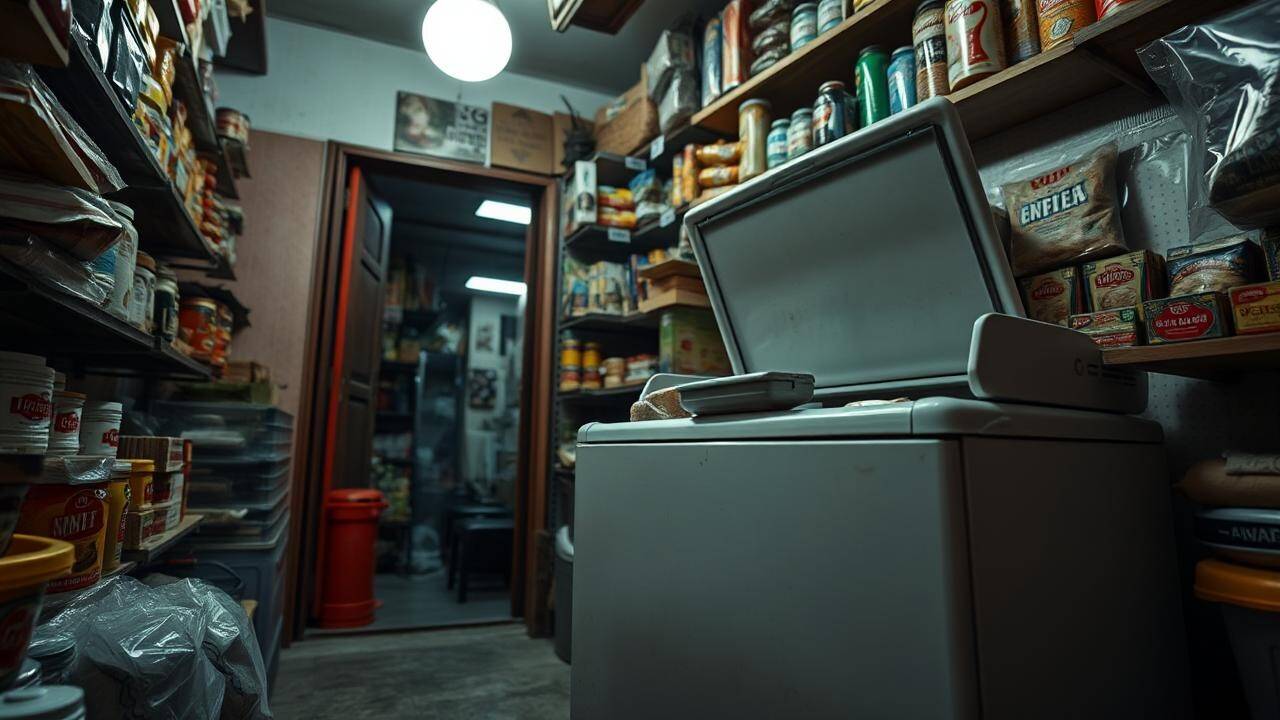
Recent days have exposed raw vulnerabilities in public safety. In Lucknow, a man's decomposed body was discovered on January 10, 2026, hidden in a biryani shop's freezer, sparking fears of foul play amid a bustling urban setting. Police investigations point to possible criminal concealment, heightening anxiety over everyday spaces turning into crime scenes.
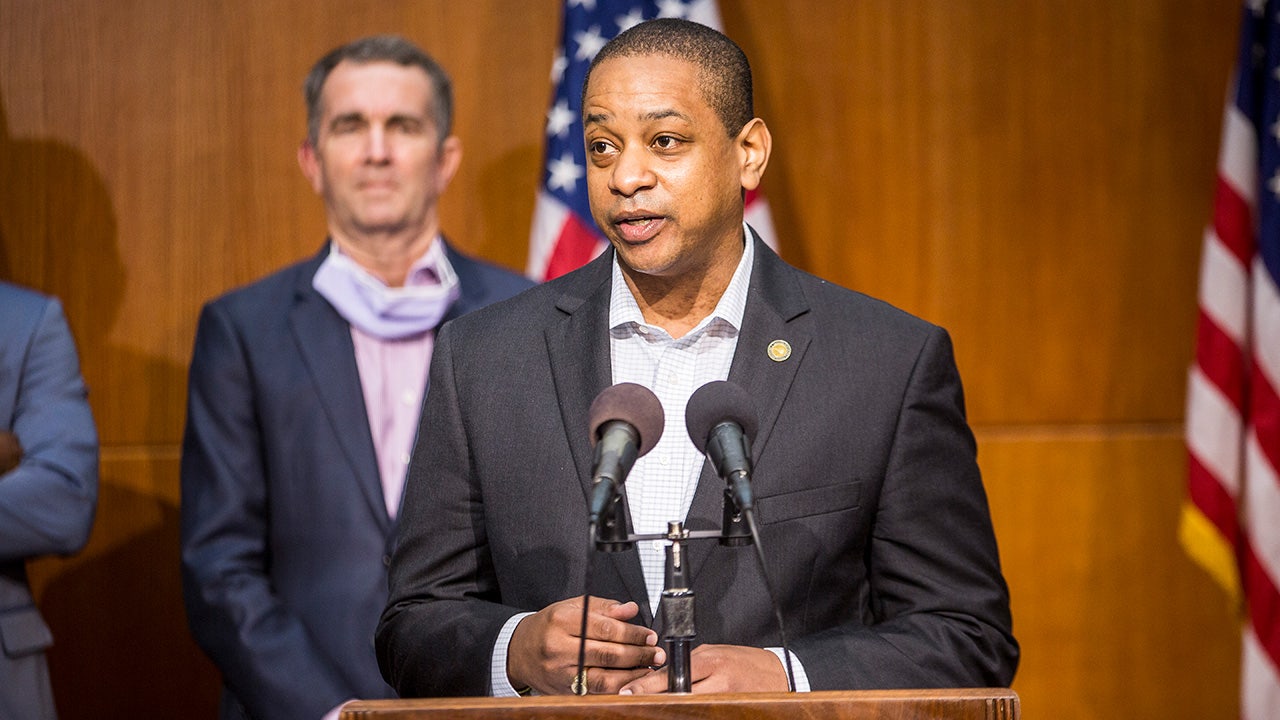
In Noida, YouTuber Saleem Wastik was stabbed in an attack linked to online rivalries, with the prime suspect killed in a police encounter in Loni shortly after. This incident underscores how digital spats spill into the streets. Meanwhile, a Delhi quadruple murder, triggered by a lender's call, saw an entire family slain, amplifying the sense of random peril in the capital. These events, confirmed by police reports, reveal a pattern: isolated disputes exploding into lethal violence, with profound human costs—families shattered, communities on edge.
Historical Context: Echoes of Violence
This violence echoes a grim timeline over the past year. On January 2, 2026, an ex-IAF officer was murdered in Ghaziabad, a case that gripped the nation with its brutality and exposed vulnerabilities among veterans. New Year's Day stabbings in Delhi on January 3 followed, alongside a Maoist commander's surrender in Telangana—ironic amid rising chaos. A foiled child sacrifice plot in Sulibele on January 4 and a brutal Ludhiana murder on January 8 complete a month of unrelenting horror. Like the ex-IAF killing, whose psychological toll lingered in public memory, today's crimes resonate, fostering a climate of fear and distrust.
The Role of Social Media in Escalating Violence
Social media acts as an accelerant in these violent incidents. The Saleem Wastik stabbing stemmed from YouTube rivalries, where heated comments devolved into real knives—a classic case of online harassment birthing mob mentality. Platforms amplify echo chambers, turning trolls into threats. Case studies abound: viral hate posts preceding Delhi stabbings or inflammatory reels hyping Lucknow-style concealments. On X (formerly Twitter), @CrimeWatchIndia posted, "From keyboards to knives: Saleem's attack shows SM mobs are real mobs now #IndiaCrimeWave," garnering 50K likes. Another user, @DelhiEye, tweeted, "Biryani shop horror—next it'll be inspired by some viral challenge? Ban the bait!" These reflect growing recognition of digital incitement.
Public Trust and Police Response
Public trust in law enforcement is fraying. Following the Lucknow discovery, locals protested delayed responses; the UP encounter killing the YouTuber suspect drew accusations of extrajudicial action. In Delhi, families decry slow investigations into the quadruple murder. Police strategies—encounters and raids—offer quick resolutions but risk eroding legitimacy. Community ramifications include whispers of vigilantism, as fear grips neighborhoods once deemed safe.
Looking Ahead: Predicting Future Trends in Crime
As fear mounts, vigilante justice may surge amid perceived police inadequacies, spawning grassroots safety patrols. Social media regulations could tighten, targeting hate speech and incitement—perhaps via stricter IT Act enforcement or platform bans. Yet, hope lies in community movements advocating patrols and digital literacy, potentially curbing the online-to-offline pipeline.
This is a developing story and will be updated as more information becomes available.