
Thailand and Cambodia: Ceasefire and Political Tensions Ahead of Elections
In a significant move towards de-escalating tensions, Thailand has released 18 Cambodian prisoners of war (POWs) as part of a ceasefire agreement reached on January 1, 2026. This decision is seen as a potential turning point in the historically strained relations between the two neighboring countries, particularly amid ongoing political developments in Thailand as the nation gears up for its general elections on February 8, 2026.
The release of the POWs signals a willingness from both sides to engage in dialogue and reduce hostilities. According to a report by AP News, the ceasefire agreement aims to stabilize the long-disputed border region, which has been a flashpoint for conflict in recent years. The 18 individuals were among those captured during skirmishes near the border, and their release reflects a commitment to peace and reconciliation.
Context of the Ceasefire
The tensions between Thailand and Cambodia have persisted over territorial disputes, particularly concerning the Preah Vihear Temple area, where both nations have claimed sovereignty. The conflict has at times led to military confrontations and accusations of cross-border incursions. The ceasefire agreement and the release of POWs may pave the way for further negotiations to resolve these longstanding issues.
Upcoming Elections and Political Dynamics
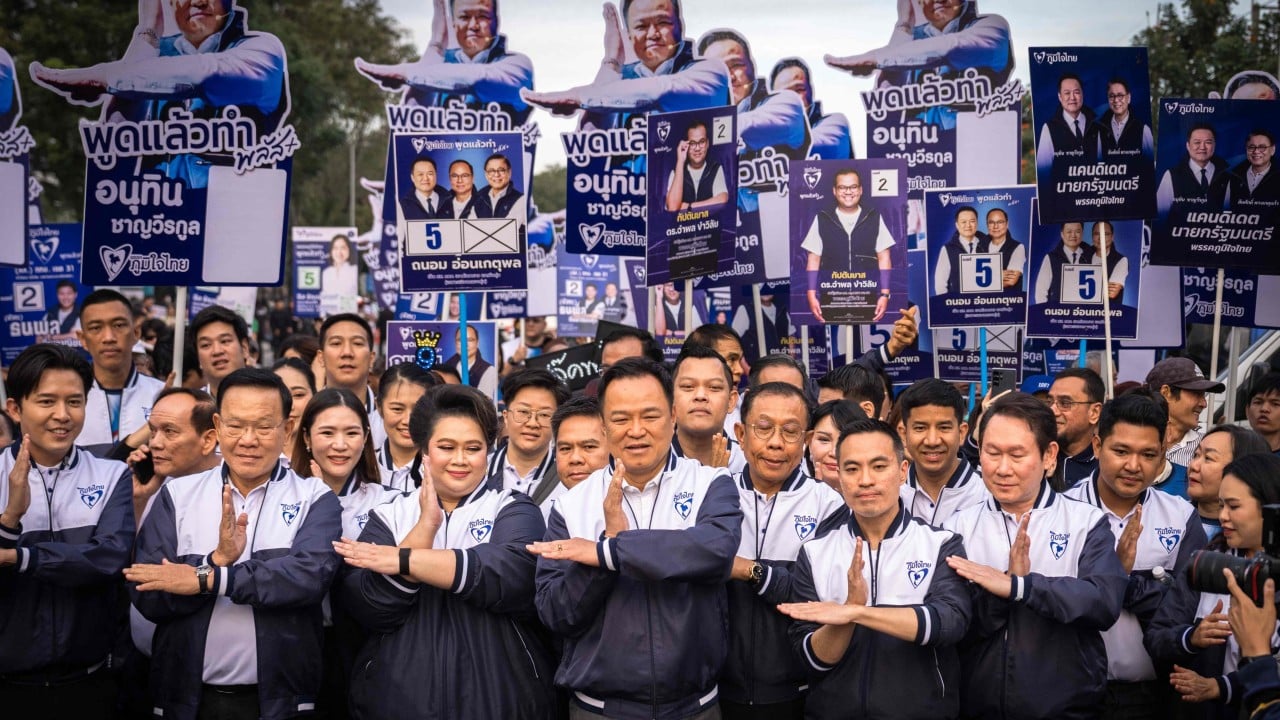
As Thailand approaches its general elections, the political landscape is becoming increasingly complex. The upcoming vote is characterized by a three-way battle among various factions, including those aligned with the Shinawatra political dynasty, which has faced numerous challenges and allegations of corruption. The border conflict with Cambodia has emerged as a critical issue in the election campaign, with some candidates leveraging nationalist sentiments to garner support.
Anutin Charnvirakul, the leader of the Bhumjaithai Party, appears to be gaining traction in the election discussions, partially due to the border issues with Cambodia. On the other hand, the Shinawatra clan, once dominant in Thai politics, is struggling for survival as reformist movements seek to capitalize on public dissatisfaction with the current political climate. This dynamic is further complicated by a history of electoral outcomes being nullified by the judiciary, leading to public disillusionment and skepticism towards the electoral process.
Conclusion
The recent release of Cambodian POWs as part of a ceasefire agreement marks a significant step towards mending relations between Thailand and Cambodia. However, as the political climate in Thailand heats up ahead of the February elections, the interplay between nationalism, party politics, and historical grievances will continue to shape the narrative. The coming weeks will be crucial in determining whether this ceasefire can lead to a more stable and cooperative relationship between the two nations, or if political ambitions will reignite tensions along the border.