
Thai Central Bank Issues Stark Warning on Declining Economic Competitiveness
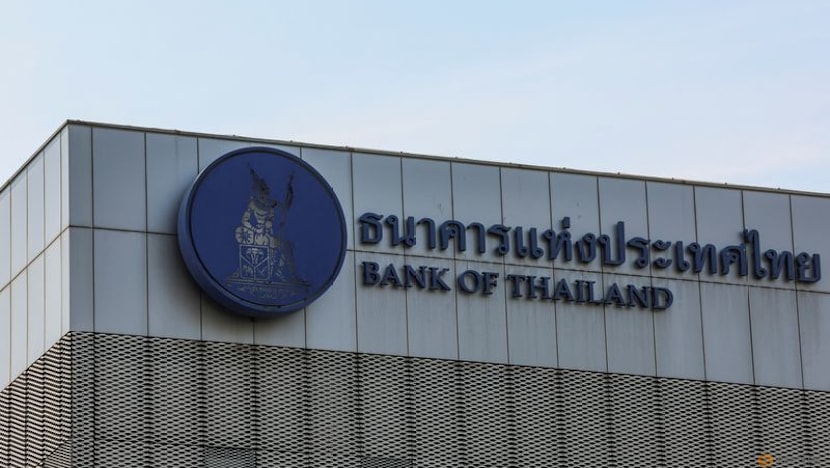
Bangkok, Thailand – The Bank of Thailand has raised alarms over the nation's slipping economic competitiveness, signaling potential headwinds for growth in Southeast Asia's second-largest economy.
In a report released on January 7, 2026, the central bank highlighted a concerning downward trend in Thailand's economic competitiveness, attributing it to structural challenges that could undermine the country's position in global markets. This warning comes at a time when Thailand is grappling with uneven post-pandemic recovery and intensifying regional competition.
The Bank's assessment underscores vulnerabilities in key sectors such as manufacturing, exports, and tourism, which have long been pillars of Thailand's economy. Officials noted that factors including rising production costs, a strengthening baht, and shifting supply chains are eroding Thailand's edge against lower-cost neighbors like Vietnam and Indonesia. "The decline in competitiveness poses risks to sustained growth," the report stated, urging policymakers to implement reforms to bolster productivity and innovation.
Details of the Central Bank's Report
The Bank of Thailand's analysis, detailed in its latest economic bulletin, measures competitiveness through indicators such as labor productivity, export market share, and business environment rankings. Thailand's scores have deteriorated across multiple metrics, with the country slipping in global indices like the World Economic Forum's Competitiveness Index – a trend observed in recent years.
Central bank deputy governor Paopoom Sodsri emphasized the urgency during a press briefing in Bangkok. "We are seeing a gradual but persistent erosion of our competitive advantages," Sodsri said. "Without targeted interventions, this could lead to slower GDP growth and job losses in export-oriented industries."
The report points to specific pain points: manufacturing, which accounts for about 25% of GDP, faces margin squeezes from higher energy prices and wages, while foreign direct investment (FDI) inflows have moderated. In 2025, FDI into Thailand totaled around $12 billion, down from peaks in the early 2020s, as investors pivot to ASEAN peers offering incentives like tax holidays and streamlined regulations.
Broader Economic Context
Thailand's economy has shown resilience but remains fragile. Gross domestic product (GDP) grew by an estimated 2.5% in 2025, below the regional average of 4.5% for ASEAN nations, according to data from the International Monetary Fund (IMF) and Asian Development Bank (ADB). Tourism, rebounding to near pre-COVID levels with 40 million visitors in 2025, provided a lifeline, but its heavy reliance exposes the economy to external shocks like geopolitical tensions or renewed health crises.
Historically, Thailand transitioned from an agriculture-based economy in the 1980s to a manufacturing and services powerhouse, fueled by export booms in automobiles, electronics, and petrochemicals. The "Thailand 4.0" initiative launched in 2016 aimed to leapfrog into high-tech industries through digital transformation and Eastern Economic Corridor (EEC) developments. However, progress has been hampered by political instability – including coalition government changes in 2023 and 2024 – bureaucratic hurdles, and skill gaps in the workforce.
The baht's appreciation, hovering around 32-33 to the US dollar in late 2025, has further complicated matters by making Thai exports less price-competitive. The central bank maintained its policy rate at 2.5% amid inflation hovering near 1%, prioritizing financial stability over aggressive stimulus.
Regional and Global Comparisons
Thailand's challenges mirror those of middle-income economies transitioning to high-income status, a phenomenon known as the "middle-income trap." In the IMD World Competitiveness Ranking 2025, Thailand placed 26th globally, down from 23rd in 2023, trailing Singapore (1st) and Malaysia (27th but improving). Vietnam, at 70th but climbing rapidly, has captured market share in electronics assembly, with companies like Samsung expanding there.
The US-China trade tensions since 2018 initially benefited Thailand as a diversification hub, but prolonged decoupling has led to supply chain fragmentation. The Russia-Ukraine war exacerbated energy import costs, with Thailand's oil bill surging 20% in 2025.
Government Response and Outlook
Prime Minister Srettha Thavisin's administration has responded with measures including the 2026 budget's allocation of 100 billion baht ($3 billion) for competitiveness-boosting initiatives, such as EV battery production incentives and digital skills training. The Board of Investment (BOI) extended tax breaks for high-tech FDI until 2028.
Economists project 2026 GDP growth at 2.7-3.2%, contingent on tourism surpassing 45 million arrivals and export recovery. However, risks loom from US Federal Reserve rate cuts potentially strengthening the baht further and domestic floods impacting agriculture.
The central bank's warning serves as a clarion call for structural reforms. As Thailand navigates these headwinds, collaboration between government, private sector, and labor will be crucial to restore its competitive mojo and ensure inclusive growth for its 70 million people.
(Word count: 612)