Terrorism in United States: Trump Invites Iran for Direct Negotiations
US President Donald Trump has canceled a planned trip by his envoys to Pakistan, casting doubt over ongoing US-Iran negotiations amid heightened terrorism concerns in the United States. In a recent interview, Trump emphasized that Iran could reach out directly through secure channels, signaling a shift away from third-party mediation.[1]
Trump's Comments on US-Iran Negotiations
US President Donald Trump made clear his openness to direct dialogue with Iran during a Sunday interview on Fox News' The Sunday Briefing. He stated, "If they want to talk, they can come to us, or they can call us. You know, there is a telephone. We have nice, secure lines," underscoring the availability of established communication pathways between Washington and Tehran.[1] These remarks came in the context of escalating tensions over the war between the two nations, where Trump positioned the US as ready for substantive discussions without intermediaries. His invitation reflects a pragmatic approach, prioritizing efficiency in negotiations rather than prolonged indirect efforts. Trump's direct appeal highlights a potential pathway forward, suggesting that Iran holds the initiative to advance talks by utilizing these secure lines, which are presumably equipped for sensitive diplomatic exchanges. This stance aligns with his administration's broader strategy of leveraging direct pressure to compel concessions, as evidenced by his dismissal of less productive formats. The comments also serve to publicly frame the US as approachable, potentially countering narratives of intransigence while maintaining leverage in any future bargaining.[1]
Cancellation of the Envoys' Trip to Pakistan
The decision to cancel the trip by US envoys Steve Witkoff and Jared Kushner to Pakistan marked a significant pivot in mediation efforts. Trump explicitly instructed the envoys not to travel to Islamabad for scheduled negotiations over the weekend, a move that disrupted international attempts to broker discussions between the US and Iran.[1][2][5] In explaining the rationale, Trump remarked there was no point "sitting around talking about nothing," critiquing Tehran's negotiating position as insufficiently serious.[5] This cancellation, announced abruptly, immediately undermined momentum toward mediated talks, leaving potential pathways through Pakistan in limbo.[2] Pakistani officials noted the development on Sunday, highlighting how the abrupt halt affected planned sessions in the capital.[2] The impact extends beyond the immediate itinerary, as it signals a reevaluation of reliance on regional allies for facilitation, potentially straining diplomatic ties with Pakistan while redirecting focus to bilateral channels.[1][5] Trump's action underscores a preference for decisive steps over protracted third-party involvement, though it has introduced uncertainty into the broader negotiation framework.[2]
Pakistan's Role in Mediation Efforts
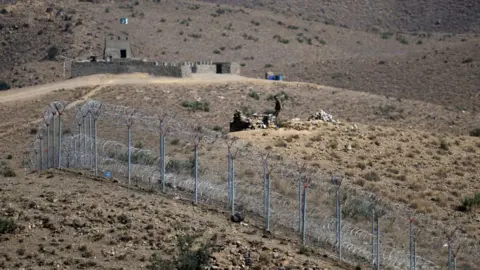
Pakistan's political and military leadership has emerged as a key player in attempting to salvage US-Iran negotiations following the canceled envoy trip. Top officials are actively scrambling to reignite talks, with two Pakistani sources confirming on Sunday that efforts are underway to bridge the gap left by Trump's decision.[2] This involvement positions Islamabad as a potential neutral ground for dialogue, leveraging its diplomatic relations with both Washington and Tehran. The urgency of Pakistan's response reflects the high stakes, as successful mediation could enhance its regional influence and contribute to de-escalating the US-Iran conflict.[2] Pakistani authorities' proactive stance includes outreach to both sides, aiming to restore the itinerary or propose alternative formats for the envoys' engagement. This role builds on Pakistan's historical position as a mediator in Middle Eastern affairs, though the cancellation has tested its capacity to deliver results under compressed timelines.[2] By racing to revive discussions, Pakistan demonstrates commitment to stabilizing the region, even as the US shifts toward direct negotiations.
Current Status of US-Iran Talks
Uncertainty now envelops US-Iran negotiations after President Trump's cancellation of the Pakistan trip, with international mediation efforts hanging in the balance.[5] Trump dismissed Tehran's initial negotiating position but noted a swift response from Iran, which revised its proposal within minutes of his decision.[5] This rapid adjustment suggests Tehran remains engaged despite the setback, potentially opening doors for direct contact as Trump has invited.[1][5] The revised proposal's details remain undisclosed, but its timing indicates flexibility in response to US pressure. The overall status reflects a fluid dynamic: while the envoy trip's scrapping has stalled indirect channels, Trump's emphasis on secure lines preserves a avenue for progress.[1][5] Analysts observing the situation point to this as a tactical maneuver by both sides, where public statements mask ongoing backchannel communications. The doubt introduced by the cancellation could either prompt accelerated bilateral talks or prolong stalemate, depending on Iran's next steps via the offered direct lines.[5]
Related Security and Historical Context in the US
Amid these diplomatic developments, the United States is tightening security measures in coordination with the United Kingdom, particularly ahead of King Charles' upcoming visit.[3] This heightened vigilance follows a shooting incident at the White House Correspondents' dinner, prompting close cooperation between British and US security services.[3] Such events underscore ongoing terrorism threats in the United States, where political violence has deep historical roots. The nation has witnessed attacks on presidents including John F. Kennedy and Ronald Reagan, and now, for a third time, Donald Trump, within a legacy that includes four presidents assassinated while in office.[4] These instances—from assassinations to attempts—illustrate a pattern of political violence that necessitates robust protective protocols, especially during high-profile international engagements like the royal visit.[3][4] The recent shooting at the Correspondents' dinner exemplifies contemporary risks, linking domestic security concerns to broader terrorism in the United States context.[3] Historical precedents, such as the Kennedy assassination and Reagan shooting, provide sobering reminders of vulnerabilities at the highest levels of leadership, informing current strategies to safeguard against similar threats.[4] This backdrop of repeated political attacks amplifies the stakes for Trump's negotiation posture, as personal security intersects with international diplomacy.
What to watch next: Pakistan's leadership continues efforts to reignite US-Iran talks,[2] while Iran's revised proposal and potential use of direct secure lines could determine if negotiations advance bilaterally.[1][5] Security cooperation between the US and UK remains key ahead of King Charles' trip.[3]