Terrorism in United States: Shooting at White House Event Leaves Trump Unharmed
A shooting incident at the White House Correspondents' dinner has heightened terrorism concerns in the United States, where a suspect armed with a shotgun fired at a Secret Service agent. President Donald Trump and all officials remained safe, with the agent sustaining no harm due to protective gear.[5]
The Shooting Incident at the White House Correspondents' Dinner
The incident unfolded on Saturday night during the White House Correspondents’ Association dinner, a high-profile event attended by President Donald Trump and First Lady Melania Trump. According to officials, a man opened fire on security personnel, prompting Secret Service agents to rush the president and first lady out of the venue.[5] An FBI official reported to Reuters that the suspect was armed with a shotgun and specifically targeted a Secret Service agent. The agent was struck in an area protected by gear, ensuring no injury occurred.[5]
This event, occurring amid gatherings of political and media figures, underscores the vulnerabilities at such public-facing occasions. The White House Correspondents' dinner typically draws journalists, politicians, and dignitaries, making it a symbolic target for potential disruptions. The swift extraction of Trump and his wife highlights the rehearsed protocols in place for presidential security, which were activated without delay. Details from the scene indicate that the shooting was isolated to the security perimeter, with no broader threat to attendees inside the main event space.[5] The suspect's actions—firing directly at a protective agent—suggest a deliberate confrontation with law enforcement, though motives remain unstated in initial reports.[5]
Eyewitness accounts and official statements emphasize the controlled chaos: Trump was safely evacuated approximately an hour after the initial alert, allowing federal officials to confirm the all-clear. This rapid response prevented any escalation, maintaining the integrity of the event's conclusion for those remaining.[5] The proximity of the shooting to the dinner's location amplified immediate concerns, as it occurred near the White House complex, a site already under constant vigilance.
Security Responses and Measures
In the wake of the shooting, UK and US security services have intensified cooperation to bolster protections ahead of King Charles' upcoming visit to the United States. A senior British minister noted on Sunday that Britain's government is working closely with American counterparts, directly linking the enhanced measures to the White House Correspondents' dinner incident.[2] This collaboration reflects a proactive stance against terrorism in the United States, where recent events have prompted a reevaluation of protocols for international dignitaries.
The tightened security encompasses joint intelligence sharing and contingency planning for the king's trip this week, ensuring seamless coordination across borders. The timing is critical, as high-profile visits like this one demand layered defenses, especially following a direct attack on Secret Service personnel.[2][5] US authorities, already on high alert post-shooting, have likely adjusted perimeters and surveillance at key sites, drawing from the lessons of the dinner incident where protective gear proved decisive.[5]
These measures extend beyond immediate response, incorporating preemptive strategies informed by the shotgun assault's specifics. The uninjured agent exemplifies the efficacy of current equipment standards, but the event has spurred discussions on further enhancements, such as expanded agent deployments at similar events.[5] The US-UK partnership signals a broader transatlantic commitment to countering threats, particularly as global travel resumes amid persistent risks.[2]
Historical Context of Political Violence in the US
The United States has a long and troubling history of political violence, providing sobering context for the recent shooting at the White House Correspondents' dinner. Four presidents have been assassinated while in office, marking a recurring pattern of targeted attacks on national leaders.[3] This legacy includes high-profile cases from John F. Kennedy to Ronald Reagan, with the latest incident involving Donald Trump described as a third attempt on his life.[3]
Such violence has shaped American political culture, from the Civil War era through the 20th century. The assassinations of presidents like Abraham Lincoln, James Garfield, William McKinley, and Kennedy illustrate a spectrum of motives, often tied to ideological extremism or personal grievances. Reagan's 1981 shooting, which left him wounded but resilient, parallels contemporary events in its audacity— an attacker firing at close range during a public appearance.[3]
Trump's experiences fit into this continuum, with multiple reported attempts underscoring the persistence of such threats. The White House Correspondents' dinner shooting, involving gunfire at Secret Service, echoes these precedents by breaching security layers around a sitting president.[3][5] Historians note that political violence in the US often surges during polarized times, amplifying risks at events blending politics and public access. This backdrop not only contextualizes the incident but also highlights ongoing challenges in mitigating such dangers despite advanced security.[3]
Impact on US-Iran Negotiations
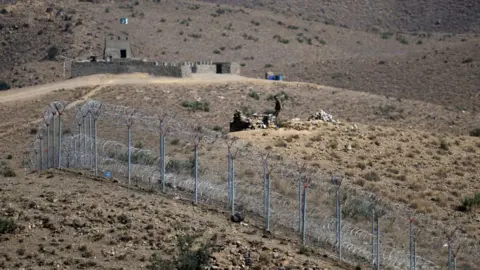
President Trump's decision to cancel his envoys' planned trip to Pakistan has cast uncertainty over international efforts to mediate between the United States and Iran. Trump cited unproductive discussions, stating there was no point "sitting around talking about nothing" and dismissing Tehran's position.[4] This move, announced ahead of the scheduled Islamabad visit, prompted Pakistan's leadership to scramble in an effort to salvage the talks.[1]
Pakistani political and military officials confirmed on Sunday that they are working urgently to reignite negotiations, speaking to the high stakes involved.[1] Iran's swift revision of its proposal—within minutes of Trump's announcement—suggests flexibility, yet the cancellation has placed broader mediation in doubt.[4] The context of the White House shooting adds layers to these tensions, as domestic security incidents coincide with strained diplomatic channels.[5]
This development disrupts momentum in US-Iran relations, where Pakistan has positioned itself as a neutral broker. Trump's direct intervention reflects frustration with perceived stagnation, potentially signaling a harder line ahead.[1][4] International observers view the scrapped trip as a setback, complicating de-escalation amid regional flashpoints. The interplay between internal US events and foreign policy underscores how security lapses can ripple into global arenas, influencing negotiation timelines and strategies.[1][4]
Current Status and Outcomes
The suspect remains in custody following the shooting, with President Trump and all federal officials confirmed safe. The Secret Service agent's lack of injury, due to protective gear coverage, represents a positive outcome amid the chaos.[5] Trump and Melania were successfully evacuated, and the incident concluded without further incidents approximately an hour later.[5]
Law enforcement's containment of the threat demonstrates effective on-site management, with the FBI providing key details on the shotgun discharge. No additional harm to personnel or attendees was reported, affirming the robustness of response protocols.[5] The event's resolution without casualties allows focus to shift to investigations and preventive analysis, though the suspect's detention ensures immediate public safety.
Ongoing effects include heightened scrutiny of event security nationwide, particularly for political gatherings. The White House has reaffirmed the president's security posture, with no disruptions to his schedule noted post-incident.[5]
What to watch next: Security arrangements for King Charles' US visit remain a priority amid UK-US cooperation,[2] while Pakistan's efforts to revive US-Iran talks face uncertainty following Trump's cancellation.[1][4]