
Terrorism in United States: Shooting at White House Event Leaves No Injuries
A shooting incident occurred at the White House Correspondents' Dinner, where a suspect fired at a Secret Service agent, but President Donald Trump and all officials remained safe.[5] This event, amid rising concerns over terrorism in the United States, has prompted swift security responses and drawn attention to broader diplomatic tensions, including the cancellation of U.S. envoys' travel plans for US-Iran negotiations.[1][4]
The Shooting Incident at the White House Correspondents' Dinner
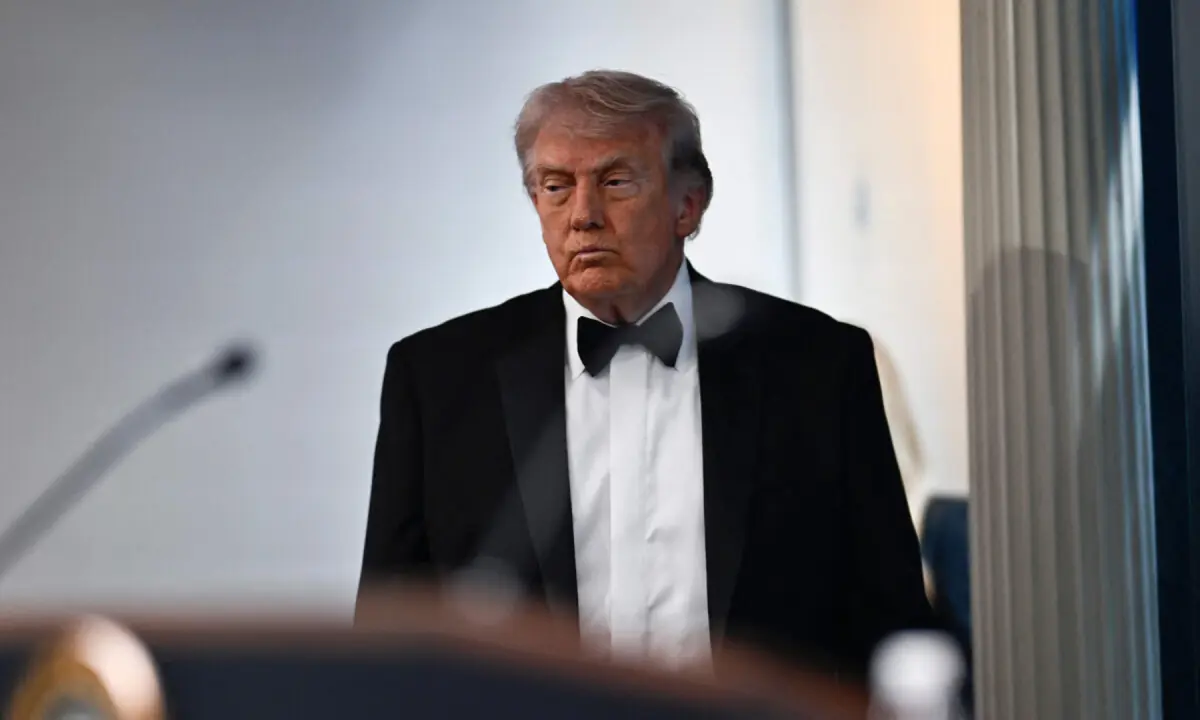
The White House Correspondents' Dinner turned chaotic on Saturday night when a man armed with a shotgun opened fire on a Secret Service agent, prompting the immediate evacuation of President Donald Trump and First Lady Melania Trump from the venue.[5] Officials confirmed that the Secret Service agent was struck in an area covered by protective gear and sustained no injuries, underscoring the effectiveness of standard security protocols during high-profile events.[5] An FBI official, speaking to Reuters, detailed how the suspect targeted security personnel directly, but the rapid response ensured that all federal officials, including the president, remained unharmed.[5]
This incident unfolded at a gathering attended by journalists, political figures, and government leaders, highlighting the vulnerabilities even in heavily secured environments like those surrounding the White House Correspondents' Association dinner.[5] Britain's government noted the event in the context of ongoing U.S. security challenges, with a senior minister emphasizing close cooperation between UK and U.S. services following the shooting.[2] The suspect's actions disrupted the evening's proceedings, leading to an orderly but urgent exit for attendees, with Trump and his wife being rushed to safety by agents.[5] Such direct confrontations with law enforcement at political events raise questions about the persistence of threats in public spaces tied to national leadership.
The timeline of events indicates that the shooting occurred amid the dinner's activities, with security forces neutralizing the threat promptly.[5] No broader casualties were reported, and the focus immediately shifted to securing the perimeter and detaining the individual responsible.[2][5] This episode serves as a stark reminder of the heightened risks associated with gatherings that symbolize American political discourse, where media and government intersect.
US-Iran Negotiations and Canceled Trip
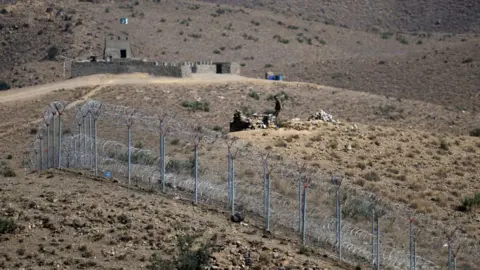
President Donald Trump has canceled his envoys' planned trip to Pakistan for negotiations between the United States and Iran, stating there was no productive outcome anticipated from the discussions.[1][4] Pakistani officials revealed that the country's top political and military leadership are now scrambling to salvage the talks, which were set for Islamabad this weekend but were abruptly halted by Trump's decision.[1] Trump dismissed Tehran's negotiating position, remarking there was no point "sitting around talking about nothing," a stance that has left international mediation efforts in doubt.[4]
The cancellation came amid ongoing tensions, with Iran reportedly revising its proposal within minutes of Trump's announcement, suggesting a potential willingness to adjust terms despite the setback.[4] Pakistan's role as a mediator has been central, with officials urging a resumption to prevent further escalation in U.S.-Iran relations.[1] This development occurs against a backdrop of strained diplomacy, where Trump's direct intervention reflects a pragmatic assessment of the talks' viability.[4]
Analysts note that such decisions can ripple through regional dynamics, particularly as Pakistan positions itself as a bridge between Washington and Tehran.[1] The envoys' non-travel underscores a shift in U.S. strategy, prioritizing tangible progress over prolonged engagements that yield little.[4] While Iran’s quick response hints at flexibility, the overall trajectory of negotiations remains uncertain, with Pakistan's leadership actively pushing for revival.[1] This diplomatic maneuver by Trump aligns with his administration's approach to high-stakes foreign policy, emphasizing efficiency in dealings with adversarial states.
Security Measures and International Coordination
In response to the shooting at the White House Correspondents' Dinner, UK and U.S. security services are coordinating closely to tighten measures ahead of King Charles' upcoming visit to the United States.[2] A senior British minister highlighted this collaboration on Sunday, stressing that preparations are underway for the royal trip scheduled this week.[2] The incident has evidently accelerated joint efforts to bolster protections, reflecting shared concerns over potential threats during high-visibility international engagements.
This coordination builds on established protocols between the two nations' agencies, now intensified by the recent events in Washington.[2] King Charles' visit, anticipated to involve public appearances and diplomatic interactions, necessitates layered security arrangements that account for both domestic and transatlantic risks.[2] U.S. services, fresh from managing the dinner incident, are integrating these experiences into broader planning, ensuring seamless interoperability with British counterparts.[2]
The emphasis on preemptive tightening of measures illustrates a proactive stance in an era of elevated alerts, particularly following direct attacks on security personnel.[2] Such partnerships extend beyond immediate responses, encompassing intelligence sharing and contingency planning to safeguard visiting dignitaries. Amid ongoing terrorism in the United States, these steps aim to mitigate vulnerabilities exposed by events like the shooting, fostering a unified front against potential disruptions.[2]
Historical Context of Political Violence in the United States
The shooting at the White House Correspondents' Dinner fits into a long-standing pattern of political violence in the United States, including attacks on presidents such as John F. Kennedy, Ronald Reagan, and now Donald Trump for the third time.[3] This latest incident against the Republican leader occurs in a nation that has witnessed four presidents assassinated while in office, a grim legacy that contextualizes contemporary threats.[3]
Historical precedents like the Kennedy assassination in 1963 and the Reagan shooting in 1981 demonstrate recurring vulnerabilities in American political life, where ideological motivations have repeatedly targeted the highest offices.[3] Trump's encounters mark a continuation, with this event echoing the persistence of such dangers into the present day.[3] The pattern underscores systemic challenges in preventing lone actors or organized threats from breaching security perimeters around leaders.
Examining these episodes reveals common threads: public accessibility of officials, media amplification, and societal divisions that can fuel aggression.[3] While specifics vary, the recurrence—from mid-20th century tragedies to recent attempts—highlights the enduring nature of political violence as a facet of U.S. history.[3] This backdrop informs current responses, urging reflections on preventive strategies without diminishing the gravity of each new occurrence.
Outcome and Official Statements
The suspect in the shooting at the White House Correspondents' Dinner is now in custody, with authorities confirming that President Trump and all other officials are safe.[5] About an hour after the incident, updates affirmed the containment of the situation, with the Secret Service agent's protective gear preventing any harm from the shotgun fire.[5] Officials have not released further details on the suspect's identity or motives, focusing instead on the successful neutralization of the threat.[5]
Trump and First Lady Melania were swiftly secured post-evacuation, exemplifying the efficacy of emergency protocols.[5] No additional injuries were reported among attendees or personnel, allowing for a controlled wind-down of the evening's disruptions.[5] This resolution reinforces public confidence in federal response capabilities, even under fire.
What to watch next: Developments in Pakistan's efforts to revive US-Iran negotiations following Trump's cancellation,[1] heightened security for King Charles' U.S. visit amid UK-U.S. coordination,[2] and any official inquiries into the suspect's background from the White House incident.[5]