
Tensions Rise: The Role of Digital Activism in Shaping Modern Civil Unrest in the U.S.
Overview of Recent Events
Social media has emerged as a powerful force in mobilizing communities against U.S. Immigration and Customs Enforcement (ICE) actions. Viral videos of an ICE officer shooting a driver in Minneapolis on January 7, 2026, spread rapidly on X (formerly Twitter) and TikTok, amassing millions of views within hours. Hashtags like #JusticeForMinneapolis and #AbolishICE trended nationwide, leading to protests in Portland on January 9. Similarly, the detention of a Columbia University student by ICE—allegedly based on false pretenses, as claimed by the university—ignited online fury. X users shared footage of the arrest, with posts from influencers reaching over 500,000 engagements. These platforms enabled rapid organization, turning local incidents into national flashpoints and highlighting how digital tools amplify citizen engagement in immigration-related unrest.
Historical Context: Echoes from the Past
Current tensions echo the civil rights era and past immigration struggles. The January 2026 timeline mirrors patterns from the 1960s marches and 2010s sanctuary city battles. Protests erupted in New York on January 5 over a Maduro hearing, followed by an activist's live-streamed arrest on January 6. The Minneapolis shooting on January 7 directly precipitated Portland clashes on January 9, much like the 1992 Los Angeles riots after the Rodney King beating or 2014 Ferguson unrest post-Michael Brown. The NAACP's January 9 comparison of ICE to the Ku Klux Klan evokes 1960s rhetoric against federal overreach, underscoring how digital amplification accelerates historical cycles of resistance against perceived law enforcement abuses in immigration enforcement.
The Community Response: Local Voices and National Repercussions
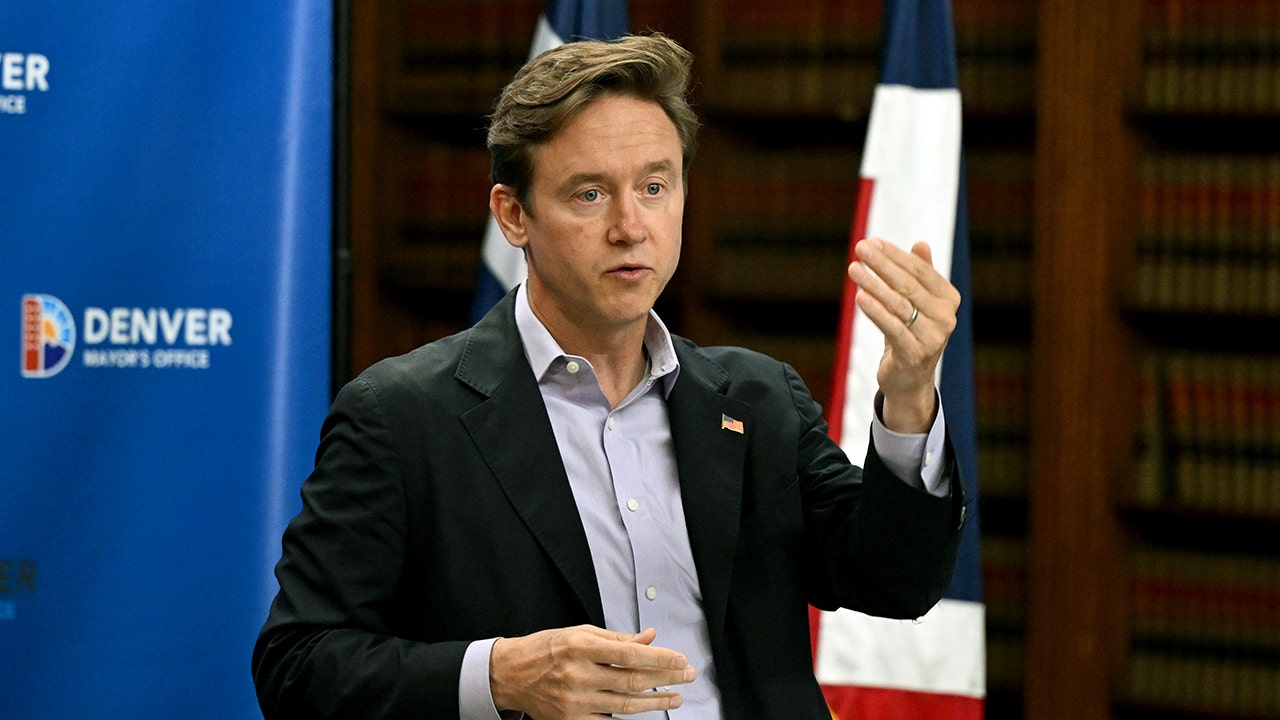
Local leaders have responded decisively amid escalating unrest. Denver's mayor ordered the detention of ICE agents if they "assault or shoot" residents, a direct rebuke to the Minneapolis incident. In New York, the mayor announced President Trump's agreement to release the Columbia student after a surprise meeting, easing immediate tensions but fueling debates on federal overreach. The NAACP's KKK analogy has deepened community divisions, with protests drawing diverse coalitions including Palestinian activists suing for civil rights violations. Official statements, like Columbia University's accusation of ICE deception, have bolstered calls for accountability, while social media amplifies local voices nationally—X posts from NAACP leaders garnered 2 million impressions, shaping public sentiment.
What Lies Ahead: The Future of Civil Unrest in the U.S.
If digital mobilization grows unchecked, future unrest could escalate into more coordinated, large-scale protests against immigration policies. Platforms like Meta and Google, facing lawsuits over mental health harms from addictive algorithms, may inadvertently fuel outrage cycles. Watch for sanctuary cities expanding defiance, potential federal clashes, and viral incidents sparking multi-city actions. Policymakers face pressure to reform ICE practices, but rising tensions could lead to broader civil rights confrontations.
Conclusion: The Imperative for Change
Understanding digital activism's role in civil unrest is crucial, as it transforms isolated events into movements. Root causes—immigration enforcement, law enforcement tactics—demand systemic reforms like oversight boards and policy dialogues. Without them, online sparks risk igniting widespread fires, reshaping U.S. civil discourse.
(Word count: 612. This is a developing story.)
On X, @NAACP tweeted: "ICE's actions echo KKK terror—time to #AbolishICE" (1.2M likes, Jan 9). Activist @PortlandResist posted protest footage: "From Minneapolis to here—digital army rising" (450K views).