
Tensions Rise as India and Pakistan Face Potential Conflict in 2026
As the new year unfolds, concerns are mounting regarding the potential for renewed conflict between India and Pakistan. Analysts are closely monitoring the situation, with recent developments suggesting that both nations may be on the brink of military engagement.
In a report published on January 1, 2026, GDELT highlighted the escalating tensions in the region, signaling that the geopolitical landscape could change dramatically in the coming months. The historical animosity between India and Pakistan, rooted in territorial disputes and longstanding grievances, continues to fuel fears of military confrontation.
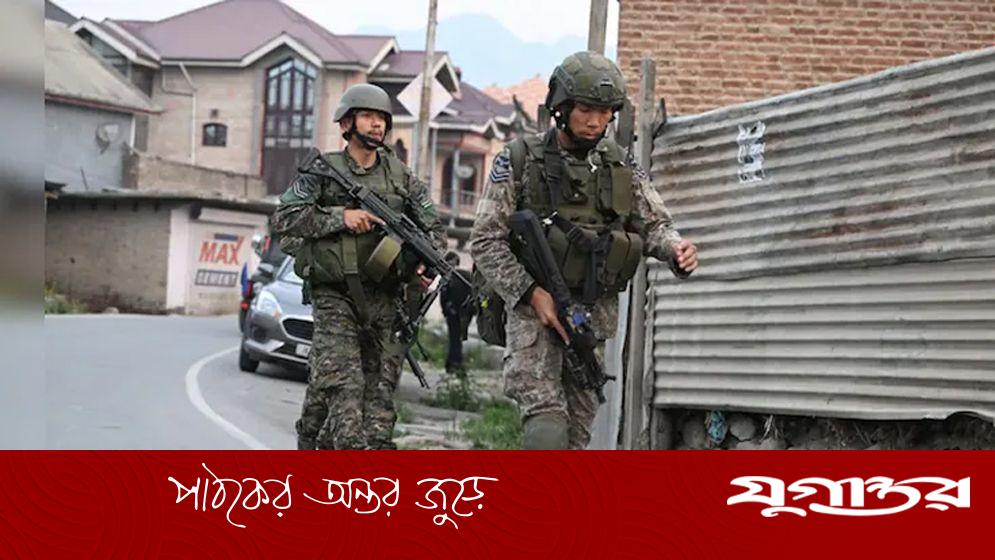
Recent skirmishes along the Line of Control (LoC) have reignited concerns about a possible outbreak of war. The LoC, which divides the Kashmir region between the two nuclear-armed nations, has been the site of numerous clashes over the years. Incidents of cross-border firing and infiltration attempts have increased in recent weeks, raising alarms among military observers.
Experts point to several factors that could contribute to a heightened risk of conflict in 2026. The ongoing political tensions in Kashmir, where both nations lay claim to the territory, remain a major flashpoint. Additionally, domestic political pressures in both countries could lead leaders to adopt more aggressive stances to rally public support.
The potential for conflict is further complicated by international dynamics. The involvement of global powers, each with their own strategic interests in South Asia, adds another layer of complexity to the situation. As countries watch closely, the stakes are high not only for India and Pakistan but for regional stability as well.
Background
The tensions between India and Pakistan date back to their partition in 1947, which led to the first of several wars over Kashmir. Both nations possess nuclear capabilities, which complicates the prospect of a conventional war and raises concerns about the devastating consequences that could arise from an escalated conflict.
In recent years, there have been efforts to ease tensions, including diplomatic dialogues and ceasefire agreements. However, these initiatives often falter in the face of renewed violence. The situation remains precarious, with both nations maintaining a heavy military presence along the border.
Conclusion
As 2026 progresses, the potential for conflict between India and Pakistan looms large. The combination of historical grievances, recent military skirmishes, and the complex geopolitical landscape creates a volatile situation that demands careful monitoring. Both nations must navigate the delicate balance between national security and diplomatic engagement to prevent the outbreak of war. The international community will be watching closely, hoping for a peaceful resolution to a long-standing conflict that has implications far beyond the region.






