
Tensions Escalate: A New Chapter in US-Israel-Iran Relations at the UN
The UN Security Council Clash: A Catalyst for Change
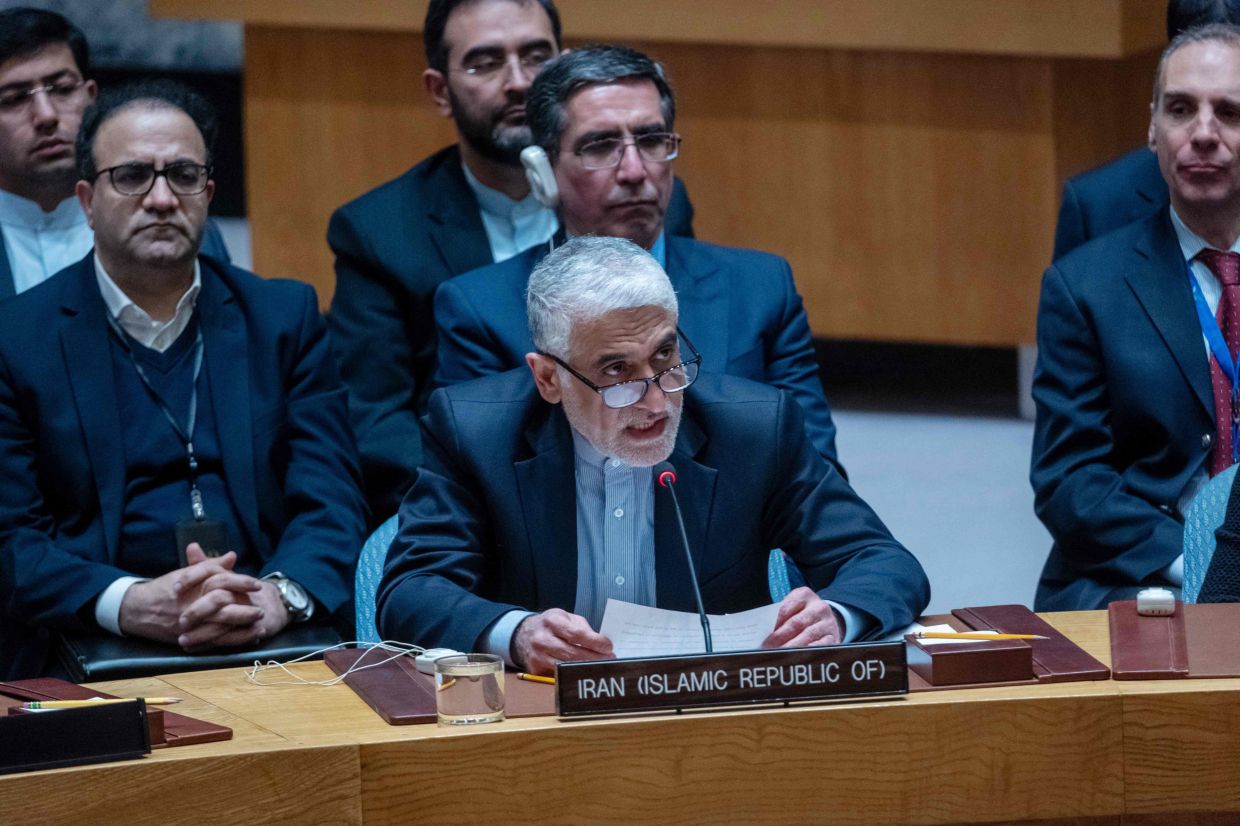
The emergency meeting, convened hours after U.S. and Israeli strikes on March 1, 2026, exposed raw diplomatic fault lines. U.S. Ambassador Linda Thomas-Greenfield defended the actions as "precision strikes" against Iranian proxy threats, citing Iran's support for militias in Yemen and Lebanon. Israel's UN envoy, Gilad Erdan, accused Iran of "nuclear brinkmanship," vowing further action if provoked. Iran's Ambassador Amir Saeid Iravani fired back, labeling the strikes "acts of aggression" and calling for sanctions on Washington and Tel Aviv. Guterres warned of "catastrophic consequences," highlighting civilian risks in the targeted areas. This clash reflects entrenched U.S.-Iran hostilities, echoing patterns from the 2018 U.S. withdrawal from the JCPOA nuclear deal, but amplified by recent escalations.
Historical Context: Lessons from the Past
The current crisis traces to a compressed timeline of provocations. On January 27, 2026, NATO Secretary-General Jens Stoltenberg cautioned against U.S.-Europe "defense dependency," urging allies to bolster capabilities amid Middle East volatility—a subtle nod to transatlantic strains over Iran policy. This preceded the March 1 strikes, which targeted Iranian nuclear and missile sites, retaliating for drone attacks on Israeli assets. These events parallel historical flashpoints: the 1980s Iran-Iraq War, where U.S. support for Iraq sowed long-term enmity; the 2019-2020 "maximum pressure" campaign; and 2024 proxy skirmishes. Past conflicts have hardened Iran's alliances with Russia and China, while reinforcing U.S.-Israel bonds, yet NATO's recent rhetoric underscores eroding Western unity, informing today's high-stakes posturing.
Global Repercussions: The Ripple Effect of Current Events
Beyond the chamber's rhetoric, this UN clash hints at a fracturing world order. Russia and China, abstaining from condemnation votes, may deepen military ties with Tehran—evidenced by recent S-400 deliveries—potentially isolating the U.S. in future nuclear talks. Europe, wary of energy shocks, could push for JCPOA revival, straining NATO cohesion. For stakeholders, implications are stark: Israel faces heightened proxy threats; Iran risks economic collapse; the U.S. navigates domestic war fatigue. This could catalyze a multipolar realignment, diminishing U.S. unilateralism and elevating BRICS influence in regional security.
What People Are Saying
Social media erupted with reactions. Analyst @MiddleEastEye tweeted: "UNSC today: US-Israel vs Iran, round 2. Guterres' plea ignored—brace for proxy wars." (12K likes). Former U.S. diplomat @RichardHaass posted: "Strikes risk unraveling fragile deterrence. Time for shuttle diplomacy." (8K retweets). Iranian state media amplified Iravani's defiance, while pro-Israel accounts like @AIPAC hailed "necessary resolve."
Looking Ahead: What This Means for the Future
Expect U.S. troop surges in the Gulf, NATO debates on burden-sharing, and stalled nuclear negotiations. A Russian veto could embolden Iran, prompting Israeli preemption. Watch for Biden administration signals on alliances—re-evaluation may pivot toward Indo-Pacific priorities, reshaping the global order.
This is a developing story and will be updated as more information becomes available.
(Word count: 648)