
Taiwan President Vows to Defend Sovereignty Amid Rising Tensions with China
In a significant response to escalating military activities by China, Taiwan's President has reaffirmed the nation's commitment to defending its sovereignty. This declaration comes in light of recent maneuvers by the People's Liberation Army (PLA), which have involved increased air sorties and naval deployments in proximity to the island.
On January 2, 2026, Taiwan's President stated, "We will not back down in the face of threats and will protect our freedom and democracy." This statement marks a crucial moment for Taiwan as it faces ongoing military pressure from China, which considers the self-governing island a part of its territory.
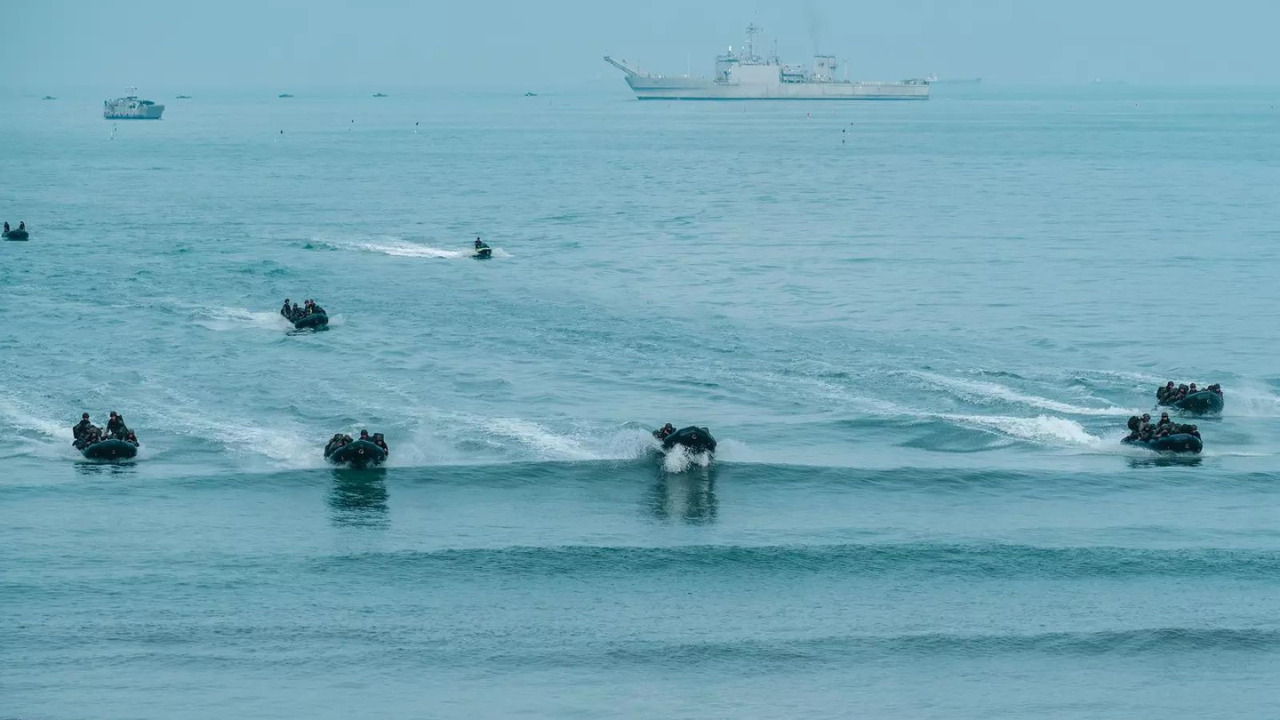
Recent reports indicate that the Chinese military has conducted multiple sorties, deploying at least four aircraft and six naval vessels around Taiwan. This uptick in military presence is seen as a direct challenge to Taiwan's autonomy and has raised concerns among regional observers regarding the potential for conflict. Analysts suggest that these actions are part of China’s broader strategy to assert its claims over Taiwan, particularly amid rising geopolitical tensions in the Asia-Pacific region.
The military exercises have included a variety of aircraft, with the Chinese air force reportedly conducting operations in both the air and maritime domains, underscoring a coordinated approach to demonstrate military might. The situation is being closely monitored by Taiwan's defense forces, which have been on high alert in response to the increased military activities.
China's recent maneuvers are not isolated incidents but part of a pattern of aggressive posturing that has intensified in recent years. The PLA has ramped up its military drills near Taiwan, reflecting a strategic goal to intimidate and undermine Taiwanese resolve. In response, Taiwan has been enhancing its own defense capabilities and building stronger ties with international allies, particularly the United States, which has historically supported Taiwan's self-defense.
The geopolitical landscape surrounding Taiwan is increasingly complex, with heightened military activities from both China and the United States. The U.S. has reaffirmed its commitment to Taiwan's security, which has included arms sales and military support. This dynamic not only escalates tensions in the Taiwan Strait but also invites broader implications for U.S.-China relations, as the two powers navigate their competing interests in the region.
As Taiwan prepares for the potential ramifications of China's military assertiveness, President's strong stance serves as a rallying point for national unity. The Taiwanese government is urging its citizens to remain vigilant and prepared, while also advocating for peace and stability in the region. The international community is watching closely, as any miscalculation could lead to significant geopolitical fallout.
In conclusion, Taiwan's leadership faces a pivotal moment as it seeks to balance sovereignty with the realities of regional threats. The ongoing military activities from China signal a continued challenge to Taiwan's autonomy and highlight the critical need for robust defense strategies and international support in the face of growing tensions. The situation remains fluid, with the potential for escalation as both sides navigate this complex geopolitical environment.






