Syrian Military Announces Ceasefire in Aleppo After Deadly Clashes with Kurdish-Led SDF

Latest from X
Syrian Military Announces Ceasefire in Aleppo After Deadly Clashes with Kurdish-Led SDF
Aleppo, Syria – The Syrian Defense Ministry declared a ceasefire in Aleppo on January 9, 2026, bringing a temporary halt to days of intense clashes between government forces and the U.S.-backed Syrian Democratic Forces (SDF) that killed at least nine civilians and wounded dozens more.
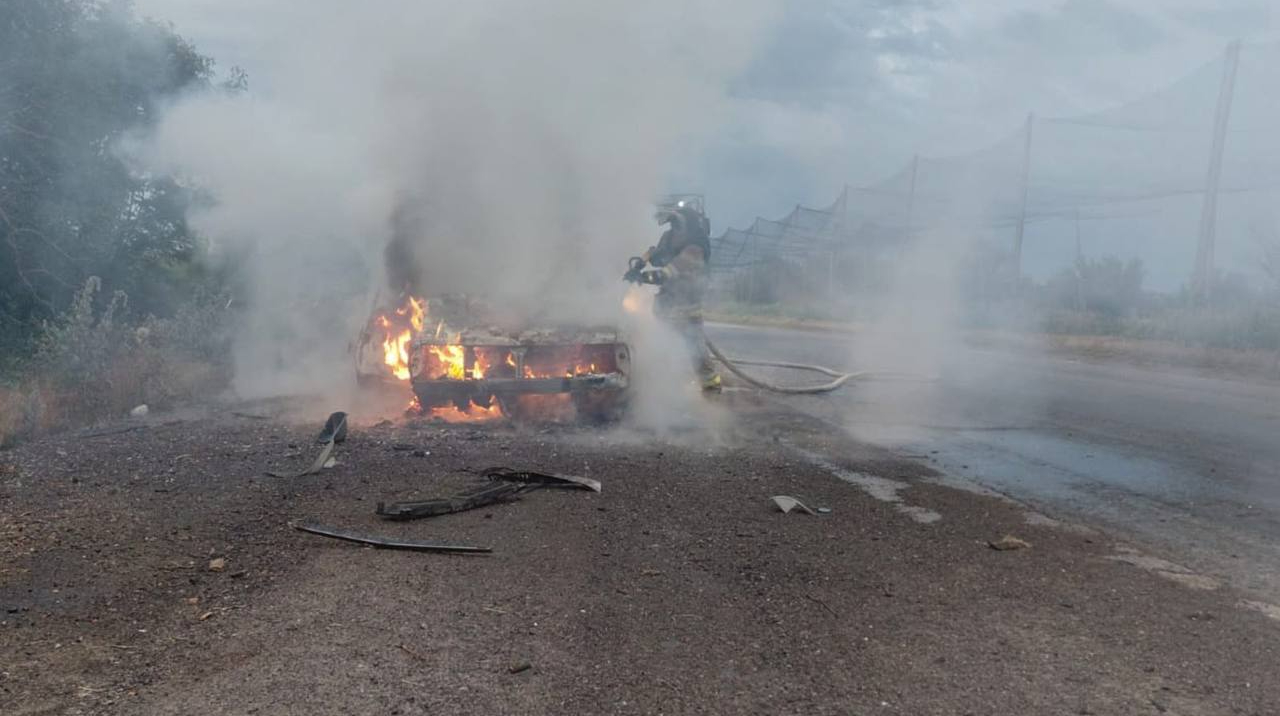
The fighting, which erupted around January 7, centered on SDF-held neighborhoods in northern Aleppo, including Sheikh Maqsoud and Ashrafiyeh. Syrian army units had designated these positions as "legitimate military targets" amid accusations that SDF fighters committed massacres in the area. Heavy artillery and mortar shelling rocked the city, displacing thousands of residents and prompting school closures.
According to a flash update from the UN Office for the Coordination of Humanitarian Affairs (OCHA) dated January 8, the Ministry of Health reported nine civilian deaths and 55 injuries from the escalation. Shelling impacted multiple neighborhoods, such as Al-Nil Street, New Shahbaa, Khaldiyeh, and Sheikh Taha. The majority of displaced households fled toward the Afrin District in Aleppo's countryside, exacerbating an already dire humanitarian situation in a city long scarred by Syria's civil war.
The Jerusalem Post reported that the ceasefire announcement followed a period of heightened tensions, with Syria's military accusing the SDF of using civilian areas as shields. Posts circulating on X (formerly Twitter) reflected widespread alarm, describing explosions in Kurdish-majority districts like Ashrafieh and indiscriminate shelling that injured civilians, including children, though such social media reports remain unverified and inconclusive.
Escalation Amid Fragile Truces
The clashes mark a significant flare-up in Aleppo, a strategic northern city that has changed hands multiple times since the Syrian conflict began in 2011. The SDF, a Kurdish-led coalition primarily composed of the People's Protection Units (YPG), has controlled pockets of Aleppo, including Sheikh Maqsoud, since 2016. These areas have periodically seen friction with Syrian government forces, despite nominal alliances against Islamist groups like Hayat Tahrir al-Sham (HTS).
The Syrian army's declaration of SDF positions as military targets came after reports of violence attributed to SDF militias. Humanitarian monitors noted that the intensity of the fighting— involving artillery, mortars, and possibly drones—prompted the Syrian Defense Ministry to label SDF zones as closed military areas, restricting access and ordering evacuations.
OCHA highlighted the rapid displacement, with families seeking refuge in Afrin, a region previously devastated by Turkish military operations against Kurdish forces in 2018 and 2020. Schools across affected areas were shuttered, and hospitals like Al-Razi in Aleppo treated numerous casualties from shelling.
Historical Context in a Divided Aleppo
Aleppo's division underscores Syria's complex fault lines. The city's western and central districts remain under government control, while northeastern enclaves like Sheikh Maqsoud house a predominantly Kurdish population aligned with the SDF. The SDF's control stems from its role in defeating the Islamic State (ISIS) with U.S. support, but relations with Damascus have soured over demands for autonomy and resource-sharing in oil-rich eastern Syria.
This week's violence follows a pattern of sporadic confrontations. In late 2025, similar tensions arose after the fall of Bashar al-Assad's regime in December, when HTS-led rebels seized Damascus, leading to a transitional government. The Syrian army, now reorganized under new leadership, has sought to reassert control over SDF-held territories, viewing them as a challenge to national sovereignty.
U.S. forces maintain a presence in SDF areas, complicating dynamics and drawing Turkish ire, as Ankara considers the YPG an extension of the Kurdistan Workers' Party (PKK), a designated terrorist group.
Humanitarian Toll and Uncertain Path Forward
The ceasefire offers immediate relief but raises questions about enforcement. OCHA's update emphasized the need for unhindered humanitarian access, warning that ongoing displacement could overwhelm camps in Afrin. Casualty figures may rise as reports from hard-hit areas trickle in.
While the Defense Ministry's announcement signals de-escalation, underlying grievances—ranging from territorial disputes to accusations of atrocities—persist. Posts on X suggested mutual blame, with Syrian forces claiming SDF shelling of residential zones and Kurdish sources alleging indiscriminate government bombardment.
International observers, including the UN, have called for dialogue to prevent broader conflict. With U.S., Turkish, and Russian interests intertwined, Aleppo's fragile truce could unravel if negotiations falter. For now, residents brace for uncertainty in a city that symbolizes Syria's enduring divisions.
(Word count: 612)
Track this story live
Live World Map
Monitor global events in real time with a live activity map and hotspot summaries.
Global Conflict Map
Follow active conflict zones, strike activity, and emerging geopolitical hotspots.
Current Wars
Track all active wars and armed conflicts happening in the world right now.
Iran War
Track the Iran war in real time with proxy network monitoring, Strait of Hormuz risk, and market impact.
Original Sources
- •
- •
Editorial process: This article was synthesized from the original sources cited above using The World Now's AI editorial system, with byline accountability from our editorial team. We grade every story for source grounding, factual coherence, and on-topic match before publication. Read more about our editorial standards and contributors. Spot something inaccurate? Let us know.
Last updated: January 20, 2026