Syrian Interim Government Launches Military Operation Against SDF in Aleppo Over Alleged Withdrawal Violations

Latest from X
Syrian Interim Government Launches Military Operation Against SDF in Aleppo Over Alleged Withdrawal Violations
Aleppo, Syria – The Syrian interim government has accused the Kurdish-led Syrian Democratic Forces (SDF) of breaching a prior withdrawal agreement, prompting the launch of a "clearing operation" targeting SDF-held positions in Aleppo. The move escalates tensions in northern Syria, where the Syrian army has designated several SDF locations as legitimate military targets amid claims of massacres in the area.
The operation began following an announcement on January 7, 2026, when Syrian military authorities labeled SDF positions in Aleppo as valid for strikes. According to reports, this follows accusations that SDF forces committed massacres in Kurdish-majority neighborhoods, though specific details on the alleged atrocities remain unverified by independent sources. The interim government's statement, as covered by Xinhua, frames the action as a response to SDF non-compliance with a withdrawal deal, which had reportedly required the group to vacate certain strategic areas including industrial zones and the international airport in Aleppo.
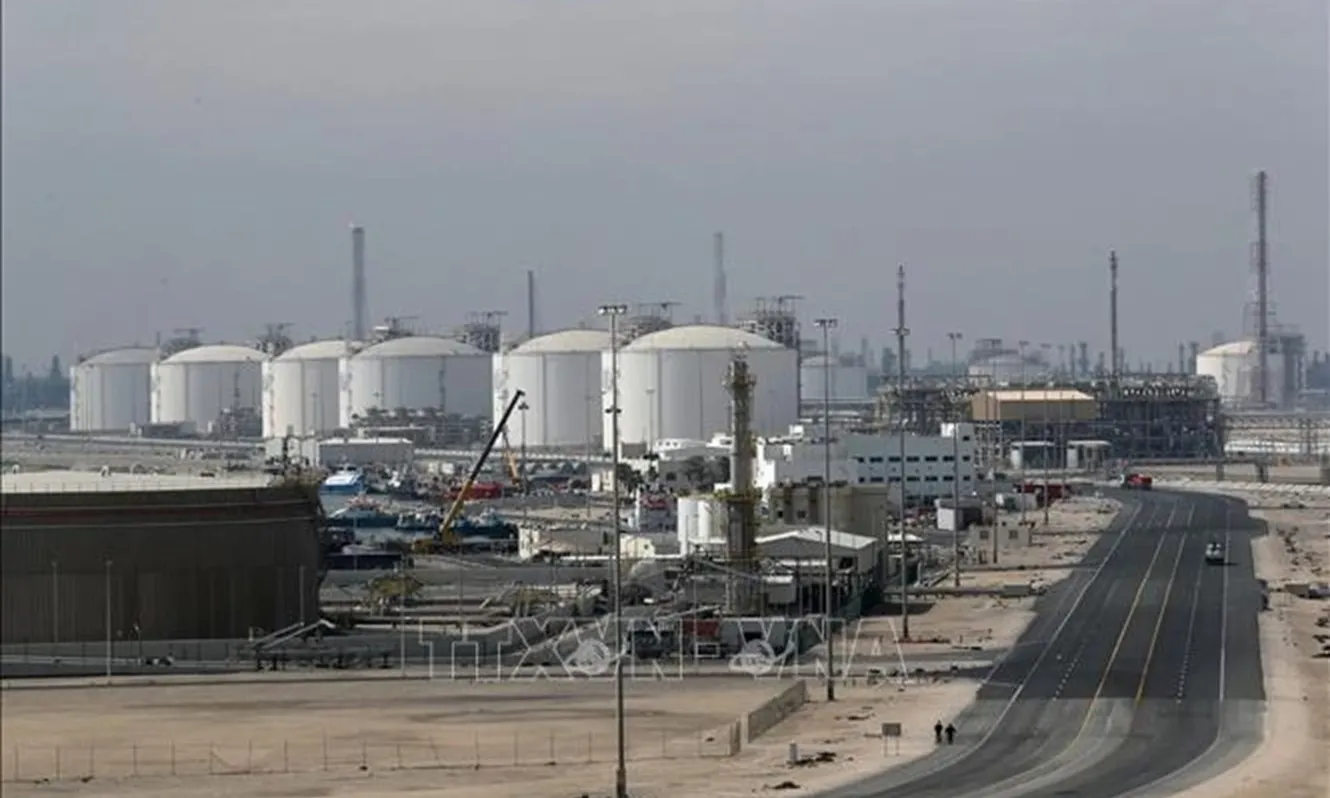
The Syrian interim government, established in the wake of Bashar al-Assad's ouster in late 2024, has positioned itself as the legitimate authority overseeing a fragile transition. This latest confrontation marks a significant rift with the SDF, a U.S.-backed alliance primarily composed of Kurdish YPG fighters that has long controlled swathes of northeastern and northern Syria. The withdrawal deal in question stems from negotiations amid rapid shifts on the ground: in November 2024, SDF forces seized control of key Aleppo sites—including Sheikh Najjar Industrial City, Aleppo International Airport, Safira, Zahra, Nubul, and Maskanah—from retreating Assad regime troops without major combat. These gains were intended to be temporary, with agreements stipulating SDF pullback to allow interim government or allied forces to secure the areas against advancing Turkish-backed Syrian National Army (SNA) rebels from Idlib.
Escalation and Immediate Fallout
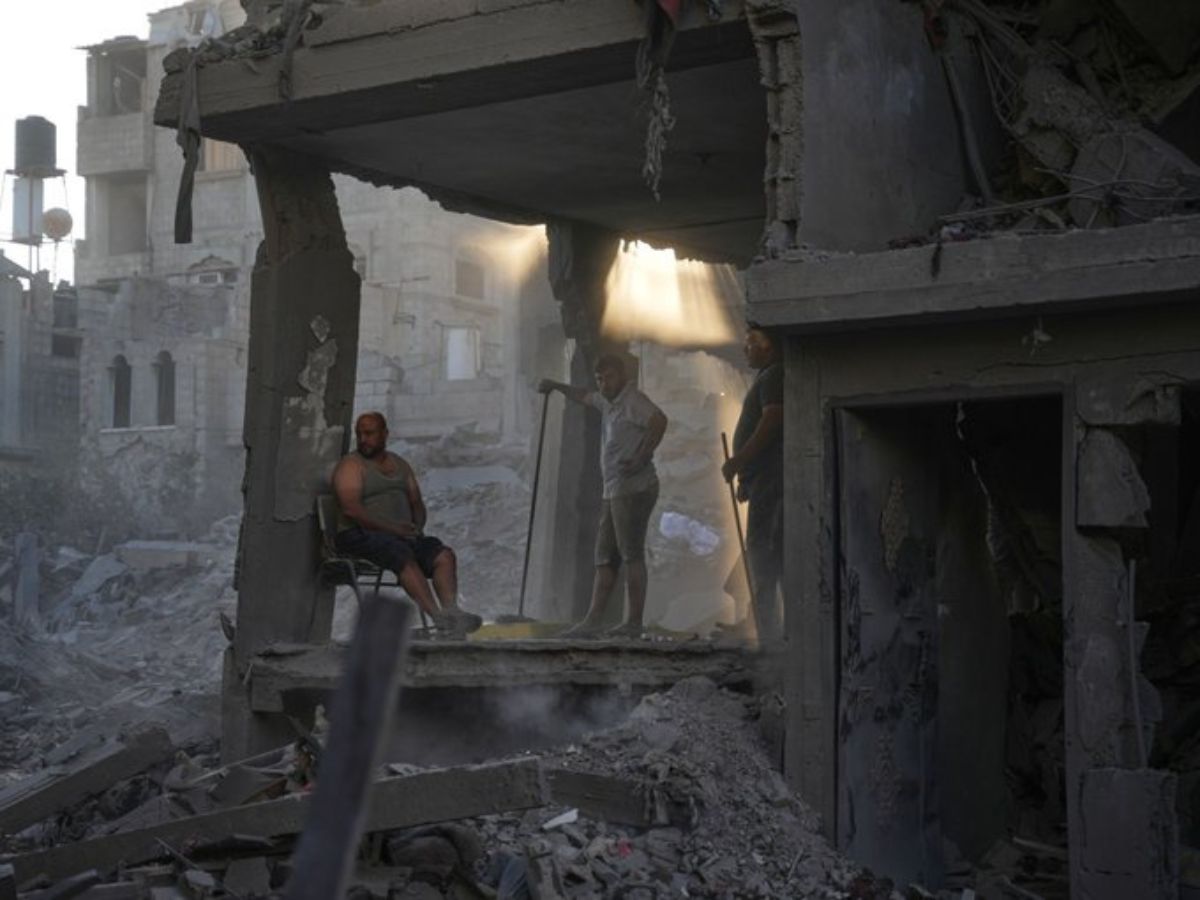
The clearing operation has reportedly involved targeted strikes on SDF positions, particularly in Aleppo's Kurdish districts such as Ashrafieh. Posts circulating on X (formerly Twitter) describe explosions in residential areas, with unverified claims of 10-20 casualties on both sides. The Syrian army has accused SDF fighters of using civilians as human shields, while SDF representatives counter that government shelling has indiscriminately hit populated zones. Prior to the strikes, the Damascus-based interim government ordered civilian evacuations from targeted areas, labeling SDF-held sites as imminent threats.
No official casualty figures have been released by either party, and independent verification remains elusive due to restricted access for journalists in the conflict zone. The interim government's military wing, drawing from former opposition factions and regime remnants integrated into the new structure, has emphasized that the operation aims to restore state control without broader civilian harm.
Historical Context and Broader Syrian Dynamics
Syria's conflict, now in its 15th year, has seen dramatic realignments since the collapse of Assad's rule. In December 2024, a coalition of Islamist rebels led by Hayat Tahrir al-Sham (HTS) captured Damascus, forcing Assad into exile in Russia. The ensuing interim government, headed by figures like HTS leader Abu Mohammed al-Jolani (now using his real name, Ahmed al-Sharaa), has sought to consolidate power by balancing alliances with Turkish-backed groups, U.S.-supported SDF elements, and remnants of the old regime's military.
The SDF's role has been pivotal yet contentious. Formed in 2015 as an umbrella for anti-ISIS operations, it spearheaded the territorial defeat of the Islamic State caliphate by 2019, with significant U.S. logistical support. However, its de facto autonomy in Kurdish regions has irked Turkey, which views the YPG as an extension of the Kurdistan Workers' Party (PKK) terrorist group. Turkish incursions and SNA offensives have repeatedly clashed with SDF holdings, complicating post-Assad stabilization efforts.
The Aleppo withdrawal deal emerged from trilateral talks in late 2024, intended to prevent a multi-front war as SNA forces, backed by Ankara, pushed toward Aleppo from Idlib. SDF compliance was seen as a concession to facilitate interim government authority, but accusations of violations—coupled with unconfirmed reports of massacres—have unraveled the pact. These massacres, if substantiated, could refer to inter-factional violence in contested Kurdish areas, though details are sparse and contested.
Regional and International Implications
The operation risks drawing in external actors. Turkey has long advocated for curbing SDF influence, potentially supporting the interim government's moves indirectly through SNA proxies. The United States, maintaining around 900 troops in SDF areas primarily to guard ISIS detention camps, has not commented officially but has historically mediated de-escalation. Russia, retaining bases in Syria like Hmeimim and Tartus under interim government tolerance, may view the strikes warily given past Assad-SDF frictions.
Humanitarian concerns loom large: Aleppo, Syria's pre-war economic hub, has endured repeated sieges and displacements. Recent evacuations could exacerbate the crisis for over 2 million residents, many already refugees from earlier fighting.
Outlook
As the clearing operation unfolds, the interim government faces a test of its nascent authority. Success could solidify control over Aleppo, a symbolic and strategic prize, but prolonged clashes might invite Turkish intervention or U.S. backlash, fragmenting the post-Assad order. Diplomatic channels, including UN-mediated talks in Geneva, remain stalled, with no immediate ceasefire prospects. Observers urge restraint to avert a return to full-scale war in a country weary of bloodshed.
(Word count: 712)
Track this story live
Live World Map
Monitor global events in real time with a live activity map and hotspot summaries.
Global Conflict Map
Follow active conflict zones, strike activity, and emerging geopolitical hotspots.
Current Wars
Track all active wars and armed conflicts happening in the world right now.
Iran War
Track the Iran war in real time with proxy network monitoring, Strait of Hormuz risk, and market impact.
Original Sources
- •
Editorial process: This article was synthesized from the original sources cited above using The World Now's AI editorial system, with byline accountability from our editorial team. We grade every story for source grounding, factual coherence, and on-topic match before publication. Read more about our editorial standards and contributors. Spot something inaccurate? Let us know.
Last updated: January 17, 2026