
Syrian Forces Claim Full Control of Aleppo After Intense Clashes with Kurdish-Led SDF
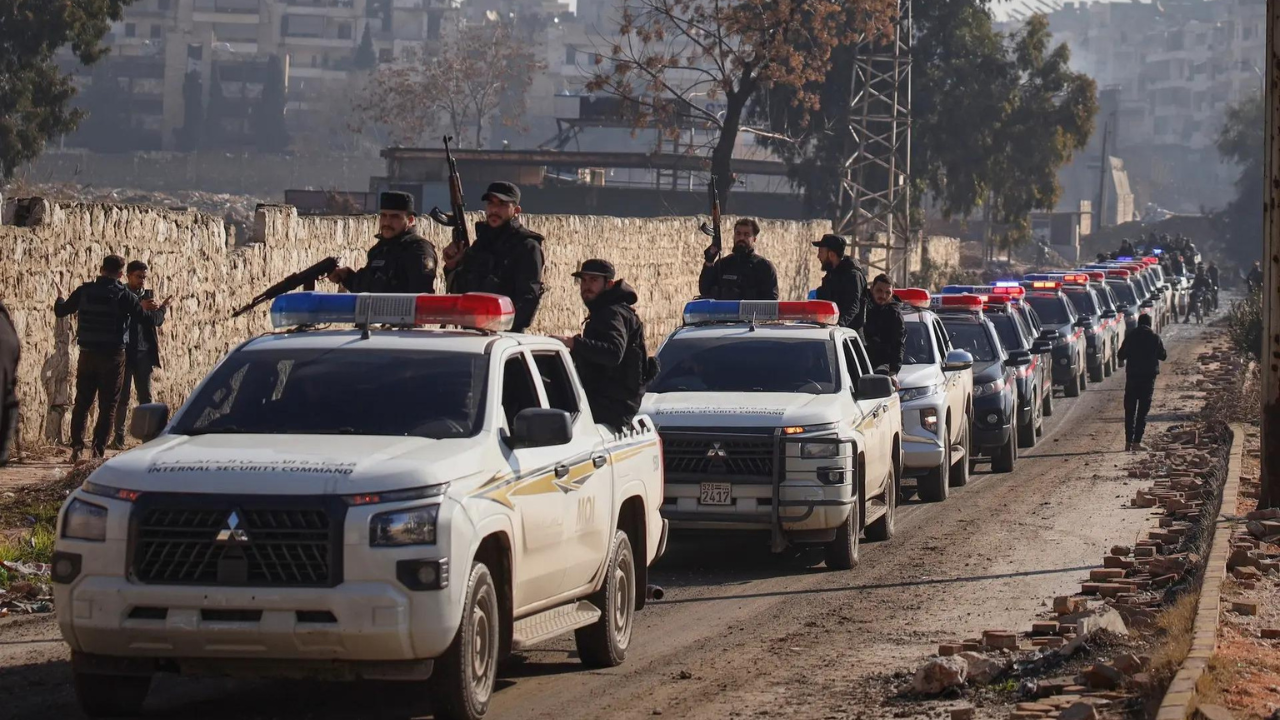
Aleppo, Syria – Syrian government forces announced on January 11, 2026, that they had secured complete control over the city of Aleppo, including the long-contested Sheikh Maqsoud district, following days of heavy fighting with positions held by the Syrian Democratic Forces (SDF). The operation, which began earlier in the week with the Syrian army declaring SDF-held areas as legitimate military targets amid accusations of massacres, resulted in the evacuation of hundreds of Kurdish fighters and the detention of around 300 Kurds.
The clashes marked a significant escalation in the volatile northern Syrian city, where Sheikh Maqsoud – a predominantly Kurdish neighborhood – had remained under SDF control even after the Syrian government recaptured most of Aleppo from rebel groups in late 2016. According to reports from Times of India, government troops took full control of Sheikh Maqsoud, described as Aleppo's last opposition-held district, after intense combat. Hundreds of Kurdish fighters were evacuated as operations wound down, while authorities detained approximately 300 Kurds, including security personnel.
Aleppo's governor echoed this narrative in statements covered by Anadolu Agency, asserting that security and stability were returning to the city following the departure of the last elements of the YPG/SDF – groups designated as terrorists by the Syrian government and its ally Turkey. The governor specified that neighborhoods such as Sheikh Maqsoud and Ashrafieh were now firmly under Syrian army control after the evacuation of these forces. Turkish media outlet A Haber reported live from the "cleansed" areas, emphasizing the removal of YPG presence in Halep (Aleppo).
The conflict ignited on January 7, 2026, when the Syrian army publicly labeled SDF positions in Aleppo as legitimate military targets. This declaration followed unverified accusations from Syrian state media of massacres committed in the area by SDF fighters, though specific details on these claims remain limited in international reporting. The rapid progression from targeting to full territorial control underscores the Syrian military's determination to consolidate authority in urban centers amid the country's protracted civil war.
Background on Aleppo's Fractured Control
Aleppo, Syria's second-largest city and a former industrial hub, has been a focal point of the Syrian civil war since 2011. Government forces, backed by Russia and Iran, wrested control of most of the city from various rebel factions in a brutal 2016 campaign that displaced hundreds of thousands and drew international condemnation for its toll on civilians. However, Sheikh Maqsoud persisted as an SDF enclave, defended by the Kurdish People's Protection Units (YPG), the main component of the U.S.-backed SDF coalition.
The SDF rose to prominence combating the Islamic State group (ISIS), controlling significant territory in northeastern Syria. Yet, it faces enmity from the Assad regime, which views it as a separatist threat, and from Turkey, which considers the YPG an extension of the Kurdistan Workers' Party (PKK), listed as a terrorist organization by Ankara, the U.S., and the EU. Previous truces had allowed uneasy coexistence in Aleppo, but recent tensions – including Turkish-backed offensives against SDF areas and shifting U.S. military postures – appear to have unraveled these arrangements.
This week's events align with broader dynamics in post-ISIS Syria, where the Assad government has sought to reassert dominance over Kurdish-held zones while navigating alliances. The detentions raise concerns about the fate of those held, as human rights groups have long documented arbitrary arrests and mistreatment in government-controlled areas.
Implications for Syria's Kurdish Regions
As of January 11, Syrian state media portrayed the operation as a success in restoring order, with no immediate reports of further clashes in Aleppo. The governor's comments to Anadolu Agency highlighted a return to normalcy, potentially signaling an end to active hostilities in the city for now.
However, the developments could ripple across SDF-controlled territories in Hasakah, Deir ez-Zor, and Raqqa provinces, where U.S. troops maintain a presence to counter ISIS remnants. Analysts note that the Aleppo takeover might embolden Syrian forces to press other fronts, though international actors – including the U.S., Russia, and Turkey – have stakes that could deter wider escalation.
No casualty figures from the clashes have been released by Syrian authorities, and SDF statements on the events were not immediately available in the cited reports. The situation remains fluid, with ongoing monitoring required amid Syria's complex web of proxies and foreign interventions.
This episode reaffirms Aleppo's status as a bellwether for Syria's unresolved conflicts, where local gains often presage broader realignments in the 15-year war that has claimed over 500,000 lives and displaced millions.
(Word count: 682)