Syrian Army Escalates Operations Against SDF in Aleppo, Triggering Evacuations and Defections
Aleppo, Syria – The Syrian army has launched a military operation targeting positions of the Syrian Democratic Forces (SDF) in the Sheikh Maqsoud neighborhood of Aleppo, declaring them legitimate targets amid accusations of massacres and shelling. The escalation, which began around January 7, 2026, has forced thousands of civilians to flee Kurdish-held districts, with the army opening safe corridors for evacuations and reporting defections from SDF ranks.
Clashes intensified in Aleppo's Sheikh Maqsoud, a predominantly Kurdish area long controlled by the SDF, following Syrian government claims that SDF fighters had carried out massacres and used neighborhood positions to shell adjacent government-held areas. On January 7, the army publicly identified these SDF-held sites as military targets, marking a sharp deterioration in fragile ceasefires that have periodically held in the district. By January 8, renewed fighting prompted mass displacement, with residents fleeing amid heavy exchanges of fire.
The operation gained momentum on January 9, as Syrian forces advanced to tighten control over Aleppo, leaving Sheikh Maqsoud as the last SDF stronghold in the city. According to reports, the army's campaign aims to "restore security and hand the area over to state institutions." Military sources stated that SDF positions within the neighborhood had been converted into launch points for artillery and rocket attacks on surrounding Aleppo districts, justifying the targeted strikes.
In a humanitarian gesture amid the violence, Syrian army units opened a corridor on January 9, allowing civilians to evacuate Sheikh Maqsoud. Witnesses described families streaming out with belongings, seeking refuge in safer parts of the city. Anadolu Agency footage showed long lines of vehicles and pedestrians using the designated route, with army personnel facilitating the movement. The move came as clashes subsided temporarily in the area, though intermittent shelling continued.
Parallel to the military push, Syrian security forces reported facilitating the defection of approximately 100 SDF members in Aleppo. Officials described the defections as accelerating due to the army's tightening grip, with fighters abandoning their posts to join government ranks. This development underscores internal pressures within the SDF, a Kurdish-led alliance primarily backed by the United States in its fight against the Islamic State (ISIS), but frequently at odds with Damascus over territorial control.
Background on Aleppo's Fractured Control
Aleppo, Syria's second-largest city, has been a focal point of the 14-year civil war that erupted in 2011. The city was divided between government forces, rebels, and Kurdish groups for years, with Sheikh Maqsoud emerging as an SDF enclave since 2016. The neighborhood, home to tens of thousands of Kurds and Arabs, has seen repeated truces brokered by Russia and the U.S. to prevent full-scale clashes between the Syrian army and SDF.
The SDF rose to prominence after leading the charge against ISIS, capturing key territories including parts of Aleppo province. However, tensions with President Bashar al-Assad's government have persisted, fueled by competing claims over northeastern Syria's oil-rich regions. Sheikh Maqsoud's isolation—surrounded by government-controlled areas—has made it vulnerable to encirclement, with past flare-ups often tied to broader proxy dynamics involving Turkey, which views the SDF as an extension of the Kurdistan Workers' Party (PKK).
Recent events follow a pattern of low-level skirmishes that escalated after alleged SDF violations. Government media accused the group of massacres targeting civilians in Aleppo districts, though independent verification remains limited due to restricted access.
Ongoing Developments and Regional Implications
As of January 9, Syrian forces continued operations, with reports indicating progress in isolating SDF positions. Civilian evacuations proceeded steadily, though the exact number of displaced remains unconfirmed, potentially numbering in the thousands from the initial clashes starting January 8. Defections suggest eroding SDF morale, but the group has not issued public statements on the developments.
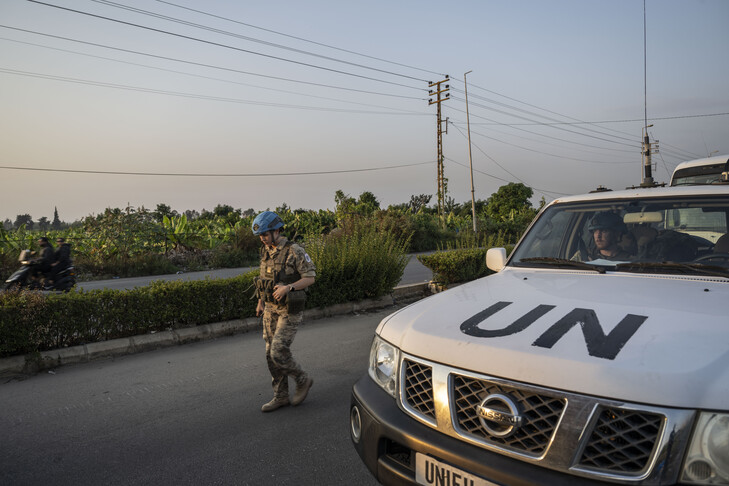
The situation in Aleppo risks drawing in external actors. U.S. forces maintain a limited presence in eastern Syria supporting the SDF, while Turkey-backed factions operate nearby, adding layers of complexity. International observers, including the United Nations, have called for de-escalation to protect civilians, echoing appeals amid Syria's fragile post-ISIS landscape.
No immediate casualties were detailed in the latest reports, but the high-severity classification of these events signals potential for wider conflict. Syrian state media portrayed the operations as stabilizing efforts, while the humanitarian corridor highlighted efforts to minimize civilian harm. The fate of Sheikh Maqsoud could reshape control dynamics in Aleppo, a city that has endured sieges, bombings, and displacements since 2012.
(Word count: 682)