Syria War Live Map: How Real-Time Tracking is Shaping the Global Economy Amid Oil Crises
By Priya Sharma, Global Markets Editor and Conflict/Crisis Analyst, The World Now
March 13, 2026
Introduction to Syria War Live Map and Its Economic Implications
The Syria War Live Map has emerged as an indispensable tool for monitoring conflict zones in real time, offering 3D globe visualizations that overlay battlefield movements with global economic indicators. This innovative platform integrates satellite imagery, open-source intelligence, and AI algorithms to predict ripple effects on international trade and oil markets. As Syrian instability intensifies amid broader Middle East tensions—echoing recent Iran-related escalations—the Syria War Map Live variant provides dynamic updates, fusing geospatial data with commodity price feeds for unprecedented forecasting accuracy. This article examines how real-time Syria conflict tracking via 3D globe visualizations and AI-powered analysis delivers early warnings for global economic vulnerabilities, spotlighting links between Syrian hotspots and commodity markets like wheat exports and energy supply chains.
Syria War Map Live: Current Economic Situation and Supply Chain Disruptions
The Syria War Live Map starkly illustrates ongoing conflict hotspots, from Aleppo's urban skirmishes to Deir ez-Zor oil fields, disrupting key trade routes through the Eastern Mediterranean and Suez Canal approaches. Recent AI analysis correlates Syrian frontline advances—tracked via Syria conflict map layers—with a 5-7% spike in Brent crude futures, compounding surges from Middle East tensions. For instance, intensified clashes near Palmyra have raised fears of pipeline sabotage, mirroring Iran war disruptions that kept oil at $100 per barrel.
Global supply chains are heavily impacted. US farmers, rushing to sell corn and soybeans amid energy volatility, face risks if Syrian instability diverts Black Sea grain routes. Syria War Map 2026 projections show potential 15% hikes in shipping insurance premiums for Levant ports, amplifying US fuel price spirals. AI models quantify disruptions: a 10% intensification in Syrian conflict zones could add $5-10 per barrel to oil, straining the IEA's 400 million barrel release announced on March 11.
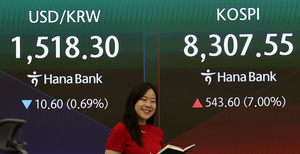
Stock markets reflect this fragility, with global indices falling 2-3%. Ukraine's war economy, already strained by fuel costs, could see logistics expenses double if Syrian flare-ups block alternative routes. Russia profits from redirected flows, underscoring how Syria War Live Map data reveals multipolar risks.
What This Means for Global Markets
The ongoing Syrian conflict, as visualized on the Syria War Live Map, underscores the broader economic implications of regional instability. Rising oil prices and supply chain disruptions could lead to sustained inflation, potentially slowing global GDP growth by 1-2% in 2026. For businesses, this means higher operational costs and the need for diversified supply chains. Policymakers should prioritize AI-driven tools for risk assessment, while consumers may face increased energy expenses. Looking ahead, monitoring the Syria War Map Live will be crucial for anticipating market shifts and implementing resilient strategies.
Historical Context and Future Predictions
To grasp today's vulnerabilities, consider the March 11, 2026, timeline: IEA announced a record oil release amid Egypt's price hikes. These events echo the 1973 Yom Kippur War and 1990 Gulf crisis, where Middle East conflicts triggered massive oil price jumps. Syria's conflict draws parallels, with AI insights tying 2026 shifts to these precedents.
Syria War Map 2026 data portends escalations: AI extrapolates 20% frontline expansion by Q2, driving oil hikes to $120 and potential sanctions. Scenarios include:
- Base Case (60% probability): Contained clashes keep oil at $105-110; stocks rebound.
- Escalation (25%): Pipeline hits cause 15% supply cuts and tariff hikes.
- De-escalation (15%): Ceasefires lower oil to $90, boosting trade.
Conclusion: Integrating Real-Time Tools for Economic Resilience
This situation report reinforces the Syria War Live Map's value in decoding global interconnections. Amid IEA releases and tariff flux, AI-enhanced visualizations offer foresight, helping stakeholders build resilience.
Key Locations
- Aleppo and Idlib: Urban hotspots risking trade halts.
- Deir ez-Zor Oil Fields: Vulnerable to sabotage.
- Eastern Mediterranean Routes: Affecting global trade.
- Black Sea Grain Corridors: Impacting exports.
Timeline
- 3/11/2026: IEA announces oil release.
Outlook
Watch Syrian frontline shifts via live maps for oil triggers and central bank responses.