Syria Launches Currency Reform, Removes Two Zeros from Pound in Bid for Economic Stability

Latest from X
Syria Launches Currency Reform, Removes Two Zeros from Pound in Bid for Economic Stability
DAMASCUS, January 4, 2026 — Syria has officially rolled out a significant currency reform plan, removing two zeros from the Syrian pound as part of a broader effort to stabilize its war-torn economy. Announced by the Central Bank of Syria, the reform includes the introduction of redesigned banknotes and a 90-day dual circulation period starting January 1, 2026, during which both old and new currencies will be accepted. This move, described as a critical step toward restoring public confidence, comes after years of economic turmoil and a currency devaluation of over 99% since the conflict began in 2011.
The redenomination means that 100 old Syrian pounds will now be equivalent to 1 new Syrian pound, a measure aimed at simplifying transactions and addressing the practical challenges of handling large denominations in daily life. Central Bank Governor Abdulkader Husrieh, speaking at a press conference in Damascus, emphasized that the reform is not intended to alter the purchasing power of the currency but to streamline financial operations. According to a report by Arab News, Husrieh noted that the process of swapping old notes for new ones will be free of charge, ensuring accessibility for all citizens during the transition period.
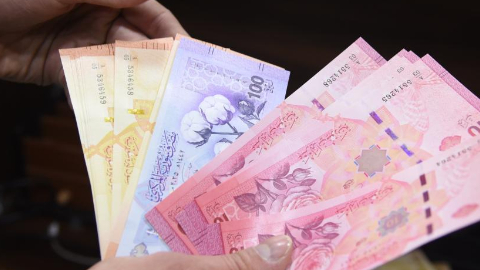
Beyond the technical adjustment, the new banknotes also carry symbolic weight. As reported by Euronews, the redesigned bills feature agricultural symbols such as oranges and olives, replacing images of former leaders associated with the Assad regime. President Ahmad al-Sharaa, who introduced the new currency, described the change as a “break with the past” and a signal of renewal for the Syrian economy. This redesign reflects a broader narrative of rebuilding national identity and trust in state institutions following years of conflict and political upheaval.
Economic Context and Challenges
Syria’s economy has been devastated by over a decade of civil war, international sanctions, and widespread corruption, leading to hyperinflation and a collapse in the value of the Syrian pound. Once valued at around 50 pounds to the U.S. dollar before 2011, the currency plummeted to over 15,000 pounds per dollar on the black market in recent years. This drastic depreciation has made everyday transactions cumbersome, with citizens often carrying large bundles of cash for basic purchases. The decision to remove two zeros is seen by some economists as a practical step to ease these burdens, though skepticism remains about its long-term impact on inflation and economic stability.
While the Central Bank has clarified that the reform is not tied to external borrowing or currency pegs—reiterating a policy of independence from institutions like the International Monetary Fund or World Bank, as noted in posts on X—many Syrians are focused on whether the change will translate into tangible improvements. Analysts point out that without accompanying fiscal reforms, infrastructure investment, and political stability, the currency reform risks being a cosmetic fix to deeper systemic issues.
Public Sentiment and Implementation
The rollout of the new currency has generated mixed reactions among Syrians, with some expressing hope for easier transactions and others voicing concerns about potential confusion during the transition. The 90-day dual circulation period is intended to mitigate these issues, allowing citizens and businesses time to adapt. As highlighted in social media discussions on X, the Central Bank has stressed that the swap of old notes for new will be seamless, with an emphasis on public education campaigns to ensure smooth implementation.
Posts on X from credible sources like Forbes Middle East have echoed the government’s narrative of restoring economic confidence, while others reflect public curiosity about the colorful new designs and tighter security features of the banknotes. These features are intended to combat counterfeiting, a persistent issue in Syria’s cash-heavy economy.
Outlook for Syria’s Economic Recovery
While the currency reform marks a significant policy shift, experts caution that it is only one piece of a much larger puzzle. Rebuilding Syria’s economy will require addressing unemployment, reviving industrial and agricultural sectors, and securing international support for reconstruction—challenges that remain daunting amid ongoing geopolitical tensions. The removal of two zeros from the Syrian pound may simplify transactions and signal a fresh start, but its success will ultimately depend on the government’s ability to implement broader reforms and foster trust among a population weary of economic hardship.
As the dual circulation period progresses, all eyes will be on Damascus to see whether this reform can lay the groundwork for stability or if it will be remembered as a symbolic gesture in a country still grappling with profound challenges. For now, Syrians are navigating the transition with a mix of cautious optimism and pragmatic concern, hoping that the new pound will herald a new chapter for their nation.
Track this story live
Live World Map
Monitor global events in real time with a live activity map and hotspot summaries.
Markets
Connect live events to Catalyst market signals across crypto, commodities, indices, and forex.
Stock Market Prediction
AI-powered stock market forecasts for S&P 500, Nasdaq, and Dow Jones with geopolitical analysis.
Recession Risk
Track recession risk indicators with AI-powered macro stress and market behavior analysis.
Original Sources
- •
- •
- •
Editorial process: This article was synthesized from the original sources cited above using The World Now's AI editorial system, with byline accountability from our editorial team. We grade every story for source grounding, factual coherence, and on-topic match before publication. Read more about our editorial standards and contributors. Spot something inaccurate? Let us know.
Last updated: January 17, 2026