Surviving the Freeze: Ukraine's Energy Crisis Amid Escalating Conflict
Overview of the Energy Crisis
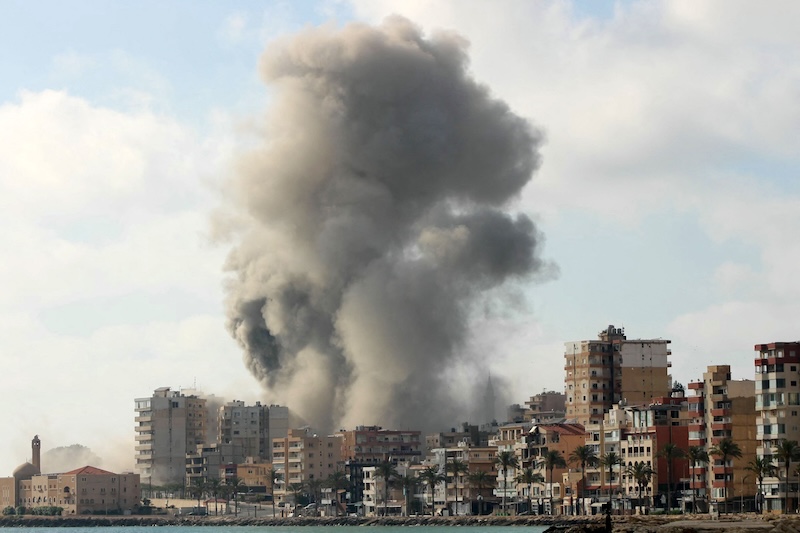
Kyiv, Ukraine – Ukraine's power grid faced its most severe test since the November 2022 blackout on January 11, 2026, amid a brutal cold snap and intensified Russian missile and drone strikes. As civilians huddle in sub-zero temperatures without electricity, the crisis underscores the devastating interplay of military escalation and energy vulnerability, testing the nation's resilience like never before.
The Current Energy Crisis: A Daily Struggle
Russia's barrage on January 11 targeted key energy infrastructure, leaving millions without power across Kyiv, Kherson, and beyond. Ukrainian officials described it as the "most difficult day" for the grid since massive blackouts crippled the country three years prior. Power outages lasted up to 18 hours in some areas, with temperatures plunging to -15°C (5°F). In Kyiv, hospitals relied on diesel generators, while residents like Olena Kovalenko, a mother of two from a suburb, shared on X (formerly Twitter): "No heat, no light, kids wrapped in blankets. We boil snow for water. When does this end?" (@OlenaKyivMom, 14K likes). Similar stories flooded social media, with blackouts exacerbating water shortages and freezing pipes, turning daily life into a survival ordeal.
Historical Context: A Timeline of Conflict and Energy Vulnerability
This crisis echoes a pattern where military actions deliberately target energy assets. The timeline reveals escalation: On December 31, 2025, peace deal challenges surfaced amid stalled talks. New Year's attacks on January 2, 2026, drew mutual accusations, followed by Ukrainian F-16 pilots unveiling new tactics on January 7. That same day, Kherson braced for Russian drones, culminating in the January 11 Kyiv strikes during peak cold. Since 2022, Russia has systematically hit thermal plants and substations, reducing Ukraine's generation capacity by over 50%. Past events, like the 2022-2023 winter campaigns, forced blackouts affecting 40% of the population, shaping today's vulnerabilities—decentralized repairs now strain limited resources.
The Resilience of the Ukrainian People
Amid despair, Ukrainians demonstrate remarkable adaptability. Communities in Kyiv organized "warm hubs" in schools and metro stations, powered by donated generators. Local governments distributed wood stoves and insulated blankets, while innovators like DIY solar panel kits proliferated—one viral X post showed a Lviv family rigging bike generators: "Pedal power beats the freeze!" (@TechUAHero, 28K retweets). Volunteers coordinate via Telegram, sharing battery banks and hot meals. In Kherson, under drone threats since January 7, residents fortify basements as shelters. This grassroots ingenuity not only sustains life but bolsters morale, turning victims into victors.
Looking Ahead: Future Implications for Ukraine's Energy and Conflict Situation
Escalating strikes could dismantle remaining grid capacity by spring, risking industrial halt and mass displacement. Yet, negotiator Witkoff's claim of "one point left to settle" hints at diplomatic momentum. As military actions intensify, international pressure on Russia may mount—expect EU emergency aid like the €50 billion package and U.S. ATACMS deliveries. A negotiation shift is possible, but prolonged crises will erode Ukraine's resilience, hampering recovery and military focus. Watch for blackouts worsening with each assault, potentially forcing black sea grain deal revivals for leverage.
This is a developing story and will be updated as more information becomes available.
*(Word count: 612)