
Sudan Conflict: Darfur Escalation and Genocide Warnings - 2/26/2026
Overview of the Sudan Conflict
The ongoing conflict in Sudan has escalated dramatically, particularly in North Darfur, where the Rapid Support Forces (RSF) have tightened their siege around El Fasher, the last major enclave held by the Sudanese Armed Forces (SAF). As of February 26, 2026, the situation has reached a critical point, with RSF paramilitaries cutting off supply lines and launching drone strikes on resource-rich areas. A UN mission has reported that the violence bears "hallmarks of genocide," with systematic targeting of non-Arab ethnic groups and mass displacement. The humanitarian crisis is dire, with over 10 million Sudanese displaced since the conflict reignited in April 2023.
Current Developments and Humanitarian Impact
Recent developments have highlighted the severity of the situation:
- February 24, 2026: RSF paramilitaries launched a major assault in North Darfur, resulting in at least 28 civilian deaths, including targeted strikes near El Fasher, as reported by MSF (Doctors Without Borders).
- February 25, 2026: Egypt's Foreign Minister condemned the RSF offensive and called for regional cooperation to stabilize the situation. The UN Office for the Coordination of Humanitarian Affairs (OCHA) reported denied access to aid in North Darfur.
- February 19-25, 2026: A UN mission confirmed that the RSF siege of El Fasher shows signs of genocide, with reports of ethnic cleansing and starvation tactics.
- February 24, 2026: Darfur Governor Minni Minnawi urged for international intervention during an interview with France 24, amidst ongoing drone strikes on gold and oil zones.
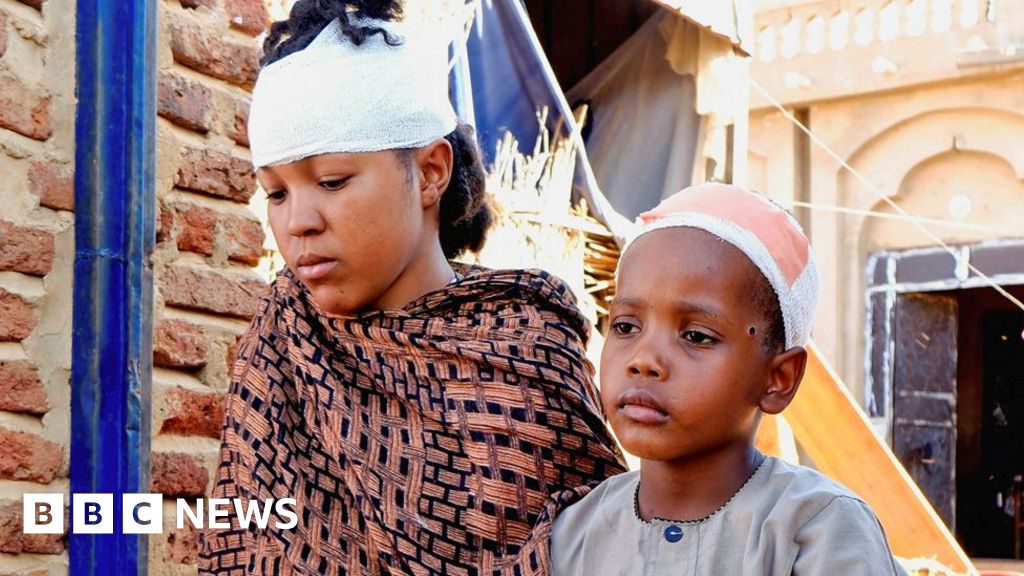
The humanitarian crisis is exacerbated by the targeting of vulnerable populations, including individuals with disabilities, who face significant barriers to evacuation and aid access. The UN estimates that 8 million Sudanese are at risk of famine, highlighting the urgent need for international intervention.
Analysis of the Conflict and Its Implications
The conflict in Sudan represents a complex interplay of modern warfare tactics, including drone warfare and paramilitary strategies. The RSF's control over resource-rich areas, particularly in South Darfur and Kordofan, has significant implications for both regional stability and global geopolitics. The use of drones, likely sourced from foreign intermediaries, has allowed the RSF to maintain air superiority and target economic lifelines without committing large ground forces.
What This Means
The implications of the ongoing conflict are profound:
- Humanitarian Crisis: The siege of El Fasher has trapped approximately 800,000 civilians, with UN warnings of a potential famine-genocide nexus. Eyewitness accounts reveal the brutal targeting of vulnerable individuals, reminiscent of the 2003 Darfur genocide.
- Regional Stability: The conflict threatens to spill over into neighboring countries, particularly South Sudan, where violence in Jonglei State has already displaced thousands. Egypt's involvement and potential cooperation with South Sudan could shape the future of the region.
- Global Dynamics: Control over resources is driving international alignments, with countries like China and Russia eyeing Sudan's oil and gold. The proliferation of drone technology complicates existing arms embargoes and raises the stakes for international intervention.
Key Locations
- El Fasher (North Darfur): The last SAF stronghold under siege by RSF; a critical humanitarian hub.
- South Darfur Gold/Oil Zones: Areas targeted by RSF drones; vital economic resources.
- Jonglei State (South Sudan): A flashpoint for spillover violence and refugee influx.
- Khartoum and Port Sudan: SAF rear bases; strategic locations for drone operations.
Timeline of Key Events
- 1983-2005: Second Sudanese Civil War and the emergence of ethnic tensions; Darfur rebellion begins in 2003.
- April 2019: Ouster of Omar al-Bashir; SAF-RSF power dynamics shift.
- April 15, 2023: Renewed conflict erupts in Khartoum, leading to a resurgence of violence in Darfur.
- February 2026: Escalation of violence and reports of genocide emerge.
Outlook
The future of Sudan hinges on the outcome in El Fasher. The RSF's potential capture of the city could lead to mass displacement and further humanitarian crises, while SAF counteroffensives may prolong the conflict. International diplomatic efforts may offer pathways to resolution, but the situation remains precarious.
Watch for:
- Continued RSF drone operations in El Fasher.
- UN Security Council discussions on arms embargoes and genocide investigations.
- Increased refugee flows into South Sudan and Chad.
- Fluctuations in global gold prices due to disrupted mining operations.
Global powers must prioritize resource sanctions and humanitarian aid to prevent a deeper crisis in Sudan, as the conflict risks becoming a new front in the struggle for control over vital resources in Africa.




:quality(30):format(webp):focal(0.5x0.5:0.5x0.5)/aceh/foto/bank/originals/Foto-Ilustrasi-Kapal-komersial-di-Laut-Kaspia.jpg)