
Strike Lebanon: Israel Kills 10 Despite Ceasefire Extension
Israeli strikes continue in Lebanon despite a ceasefire extension, killing multiple civilians and fighters. In this strike Lebanon scenario, deadly Israeli military actions have persisted even as a US-mediated truce was prolonged for three weeks, resulting in significant casualties and ongoing ground clashes.[1][2][3]
Overview of Recent Strikes
The recent Israeli strikes in Lebanon highlight a pattern of military engagement that has not abated following the extension of a ceasefire agreement. Reports indicate that Israeli forces have maintained their operations, targeting various locations amid a backdrop of continued hostilities.[1][2] Specifically, these actions have led to the deaths of at least 10 individuals, underscoring the fragility of the truce extension.[1] Lebanon's state news agency has documented artillery shelling in multiple areas, demonstrating the scope of these operations despite diplomatic efforts to halt the violence.[2]
This persistence comes as civilians have begun returning to southern Lebanon, only to face environments marked by destruction, displacement, and unrelenting clashes on the ground.[1] The strikes represent a continuation of military pressure, with immediate impacts including loss of life and heightened tensions between the involved parties. The extension of the ceasefire, intended to provide a pause in the conflict, has instead coincided with reports of intensified actions, raising questions about the agreement's effectiveness.[1][3] Israeli military activities have been framed within the context of responding to threats, but the ongoing nature of these strikes has drawn attention to the challenges of enforcing ceasefires in active conflict zones.[2]
Furthermore, the overview of these events reveals a cycle where truce extensions fail to fully disengage forces. Ground clashes persist, contributing to a volatile security situation in southern Lebanon.[1] The Lebanese authorities have reported specific incidents tied to these strikes, amplifying the humanitarian concerns as people navigate areas still under threat.[3] This summary of recent military actions emphasizes the immediate toll on lives and infrastructure, setting the stage for detailed examination of targeted sites and responses from key actors.[1][2]
Specific Incidents and Targets
{IMAGE_2}
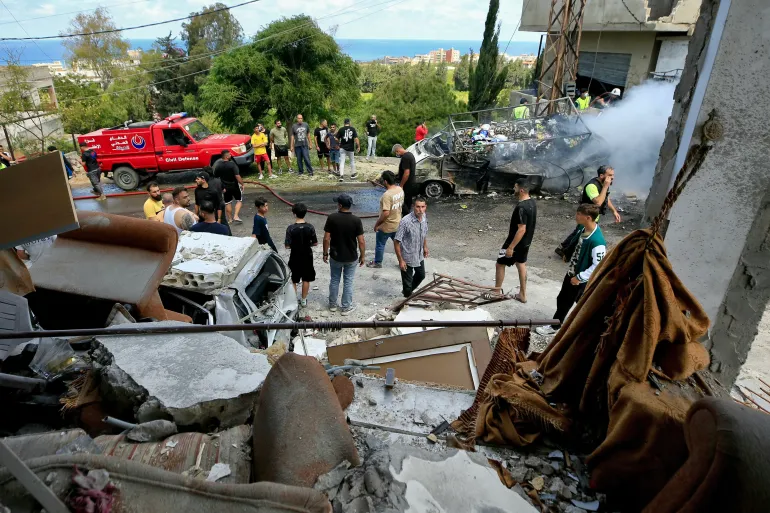
Israeli forces have conducted precise artillery shelling on several locations in Lebanon, including Qantara, Qusayr, Wadi Hassan, Yohmor al-Shaqif, and Houla, according to Lebanon's state news agency.[2] These strike Lebanon targets resulted in at least four deaths, illustrating the direct consequences of these operations despite the ceasefire extension.[2] The selection of these areas suggests a focus on regions associated with Hezbollah activity, though civilian areas have also been affected amid the broader conflict dynamics.[1][2]
Additional incidents include a reported Israeli strike that killed two people, as noted by Lebanese authorities, further compounding the casualty figures from these targeted actions.[3] Hezbollah forces, in response to such engagements, claimed to have downed an Israeli drone, indicating active countermeasures during the ongoing exchanges.[3] In a related clash in the southern Lebanese town of Bint Jbeil, the Israeli military stated that its troops identified and killed six Hezbollah fighters during a firefight, highlighting the intensity of ground-level confrontations.[3]
These specific incidents underscore the tactical nature of the strikes, with artillery and direct engagements aimed at neutralizing perceived threats. The locations—spanning key border and southern regions—point to a strategic emphasis on areas of previous Hezbollah operations.[2] Outcomes have been lethal, with confirmed deaths among both civilians and fighters, and the downing of an Israeli drone adds a layer of aerial contestation to the ground-based shelling.[3] Lebanon's reporting mechanisms, including state news agencies, have been crucial in documenting these events, providing timelines that align with the ceasefire's supposed implementation period.[2] The combination of these strikes and clashes reveals a multifaceted conflict environment where ceasefire terms are tested daily.
Responses from Involved Parties
Hezbollah has issued a strong declaration labeling the US-mediated ceasefire as "meaningless," a statement made just one day after its extension for three weeks.[3] This assessment comes amid reports of continued fighting, including the two deaths from an Israeli strike and the successful downing of an Israeli drone by Hezbollah forces.[3] The group's position reflects frustration with the persistence of Israeli military actions, positioning the truce as ineffective in curbing hostilities.
On the Israeli side, the military has claimed operational successes, such as the killing of six Hezbollah fighters in Bint Jbeil during a clash involving a firefight.[3] Troops reportedly identified fighters operating in the town, leading to direct engagement that resulted in these casualties.[3] This response frames Israeli actions as defensive and targeted, aimed at eliminating active threats in southern Lebanon.
These statements from Hezbollah and the Israeli military illustrate divergent narratives around the ceasefire's viability. Hezbollah's dismissal underscores perceived violations by Israel, while Israeli reports emphasize proactive measures against fighters.[3] Lebanese authorities have corroborated elements of these claims, such as the strike fatalities, adding official weight to the ongoing exchanges.[3] The rhetoric from both sides signals a lack of de-escalation, with each party justifying continued involvement based on immediate security concerns. This exchange of responses has prolonged the uncertainty surrounding the truce, as actions on the ground continue to shape perceptions of compliance.[3]
Casualty Figures and Humanitarian Impact
{IMAGE_3}
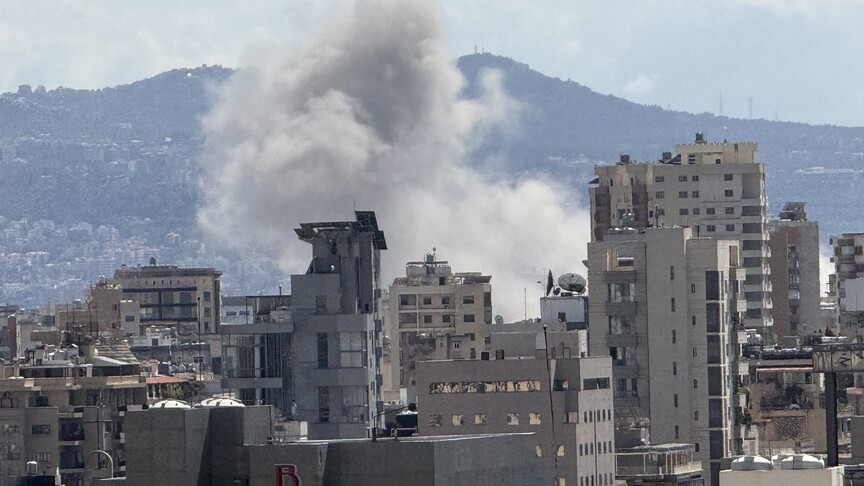
The Lebanese Health Ministry has reported eight more people killed in recent Israeli attacks, elevating the total death toll since March to 2,491.[4] Additionally, 12 others were injured over the past day, contributing to a cumulative injury figure of 7,719.[4] These numbers capture the escalating human cost, with the latest fatalities aligning with strikes that have persisted despite the ceasefire extension.[1][4]
Earlier reports detail at least four deaths from specific Israeli strikes on targeted areas, complementing the ministry's broader tally.[2] The headline figure of 10 killed in Lebanon further reflects the intensity of these operations.[1] Humanitarian impacts extend beyond immediate casualties, as civilians returning to southern areas encounter destruction and displacement.[1] Ground clashes exacerbate these conditions, creating environments where reconstruction efforts are hampered by ongoing threats.[1]
The ministry's data provides a comprehensive view of the toll, with daily injuries underscoring the sustained nature of the violence.[4] Displacement has forced many from their homes, while returning populations face ruined infrastructure amid persistent clashes.[1] These figures and effects highlight the strain on Lebanon's health and social systems, as medical responses grapple with rising numbers.[4] The combination of deaths, injuries, and secondary impacts like displacement paints a picture of profound humanitarian challenges tied directly to the military engagements.[1][4]
International Legal Concerns
A United Nations report has warned that Israeli attacks on Lebanon may violate international humanitarian law.[5] This assessment points to potential breaches in the conduct of military operations amid the ongoing conflict.[5] Simultaneously, the report notes that Hezbollah rocket attacks on Israel may have also breached international humanitarian law, indicating concerns on both sides of the engagement.[5]
These warnings emphasize the legal frameworks governing armed conflicts, particularly protections for civilians and proportionality in military actions.[5] The UN's position draws attention to the strikes' impacts, aligning with reports of civilian casualties and infrastructure damage.[1][5] By addressing violations from both Israeli forces and Hezbollah, the report calls for adherence to established norms during ceasefire periods.[5]
The implications of these concerns extend to international monitoring and accountability, as the persistence of strikes despite truce extensions amplifies scrutiny.[5] This balanced critique serves as a reminder of the humanitarian law's role in mitigating escalation, though enforcement remains challenging in active hostilities.[5]
What to Watch Next
Continued clashes on the ground and potential further strikes could test the ceasefire's extension, with Hezbollah's dismissal and Israeli claims of successes signaling ongoing risks.[1][3] Monitoring casualty updates from the Lebanese Health Ministry and UN assessments of legal compliance will be critical as fighting persists.[4][5]