Strike Iran drone site in Bandar Abbas as US downs four attack drones
US Central Command carried out strikes that targeted a drone launch site in Bandar Abbas as part of efforts to strike iran military capabilities, while also shooting down four Iranian one-way attack drones near the Strait of Hormuz. These developments follow a pattern of direct exchanges between the two sides.
US Strikes Target Bandar Abbas Site
The US military action focused on a military site in Bandar Abbas, a strategic port city. US Central Command confirmed that its forces struck the location during the night of May 27-28, 2026. The target was identified as a drone launch site, with the operation designed to neutralize that specific facility. Reports indicate the site was hit while it remained active in its military role. This action aligns with broader US Central Command statements that the strikes addressed immediate operational threats in the region. The choice of Bandar Abbas reflects its position as a key location for such assets, allowing the US to respond to drone-related activities originating from that area. [3] [5]
Iranian Response and IRGC Claims
Iran responded through statements from the Islamic Revolutionary Guard Corps, which indicated that it struck a base used by US forces. The IRGC tied this action directly to the preceding US attacks near Bandar Abbas. Official Iranian accounts described the counter-move as a reply to those strikes on the site. Multiple reports confirm that the IRGC positioned its operation as a measured response following the US activity. The sequence shows Iran and the US trading attacks in close succession, with each side citing the other’s prior moves as justification. [1] [2] [4]
:quality(30):format(webp):focal(0.5x0.5:0.5x0.5)/medan/foto/bank/originals/ibu-kota-Iran-Teheran-serangan-AS-Israel.jpg)
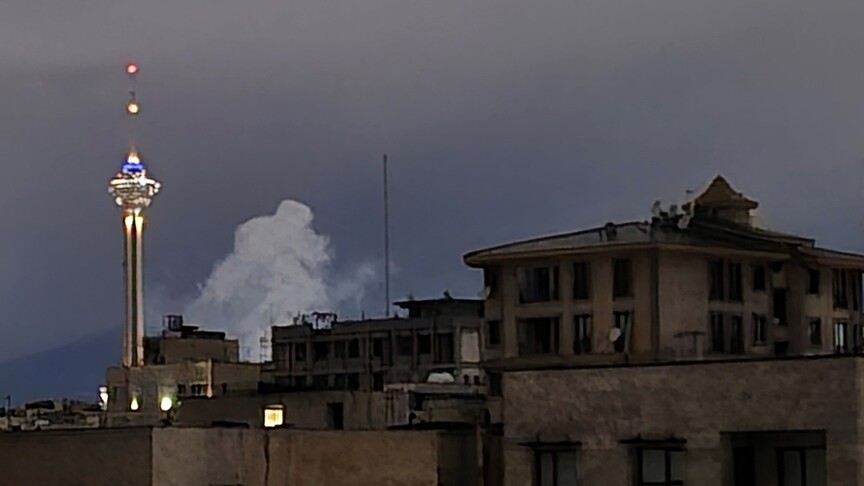
US strikes target Iranian drone launch site in Bandar Abbas. — Source: gdelt
Drone Threats and Interceptions
US Central Command reported that its forces shot down four Iranian one-way attack drones that posed a threat around the Strait of Hormuz. These interceptions occurred in connection with the same period as the strikes on the Bandar Abbas site. The drones were described as one-way attack types, and their presence near the strategic waterway prompted the defensive action. Central Command statements emphasized that the drones represented an active risk in the area, leading to their downing before they could reach intended targets. This element of the operation highlights the dual focus on both ground strikes and aerial threats during the night of May 27-28, 2026. [5]
Sequence of Recent strike iran Actions
The Bandar Abbas operation marked the second US strike on Iran in three days. US Central Command carried out the earlier action as well, establishing a short-term pattern of repeated military engagements. The latest strikes built on that prior effort, again targeting a military site tied to drone operations. Iranian responses followed each round, creating a back-and-forth dynamic over the brief timeframe. The compressed schedule of events underscores how quickly the exchanges escalated after the initial US move. [5]
Diplomatic Context
The military developments occurred after President Trump rejected a report of a Hormuz agreement. Iranian and US actions unfolded against that backdrop, with the rejection cited in connection to the timing of the strikes and counter-strikes. Reports note that the absence of any such agreement preceded the direct exchanges, including the US targeting of the site near Bandar Abbas and the subsequent Iranian response. The diplomatic stance provided context for why the two sides proceeded with kinetic measures rather than negotiated pauses. [1]
What to watch next: Further statements from US Central Command on additional drone activity near the Strait of Hormuz and any follow-on claims from the IRGC regarding bases used by US forces remain the immediate points to monitor.