
Strait of Hormuz Standoff: The Untold Story of Cyber Espionage in Escalating US-Iran Tensions
Introduction: The Digital Shadow Over Hormuz
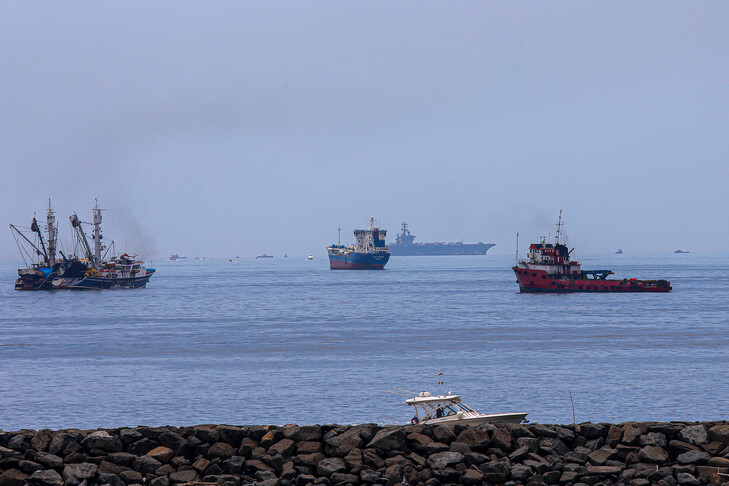
In the strategically vital Strait of Hormuz, a chokepoint through which one-fifth of the world's oil flows, traditional naval posturing is increasingly overshadowed by a silent digital battlefield. Recent events—confirmed US warship transits for mine-clearance operations on April 11, 2026, as reported by Centcom and corroborated by Al Jazeera and Dawn, met with vehement denials and threats of a "firm and decisive response" from Iran (Anadolu Agency)—have escalated tensions to a boiling point. These physical maneuvers, including two US naval ships navigating the strait unhindered according to US statements, directly challenge Iran's long-standing claims of sovereignty over the waterway, amid internal regime rifts detailed in Iran's Internal Power Struggles: How Regime Rifts Are Fueling the Strait of Hormuz Standoff.
What makes this standoff breaking news with unprecedented urgency is the emerging, underreported dimension of cyber espionage and digital warfare. While mainstream coverage focuses on warships and warnings, intelligence whispers and pattern analysis reveal a parallel cyber campaign: potential hacks on naval communications, drone signal interceptions, and disinformation floods on social media platforms amplifying fears of blockades. Unconfirmed reports from regional analysts suggest Iranian-linked actors probed US Fifth Fleet networks during the transits, while US Cyber Command may have countered with digital reconnaissance. This intersection of old-school gunboat diplomacy and cutting-edge cyber threats matters now because a single successful hack—disrupting GPS navigation for tankers or spoofing mine-detection systems—could paralyze global trade without firing a shot, spiking oil prices and testing international alliances in ways physical confrontations cannot.
Current Events and Cyber Escalation
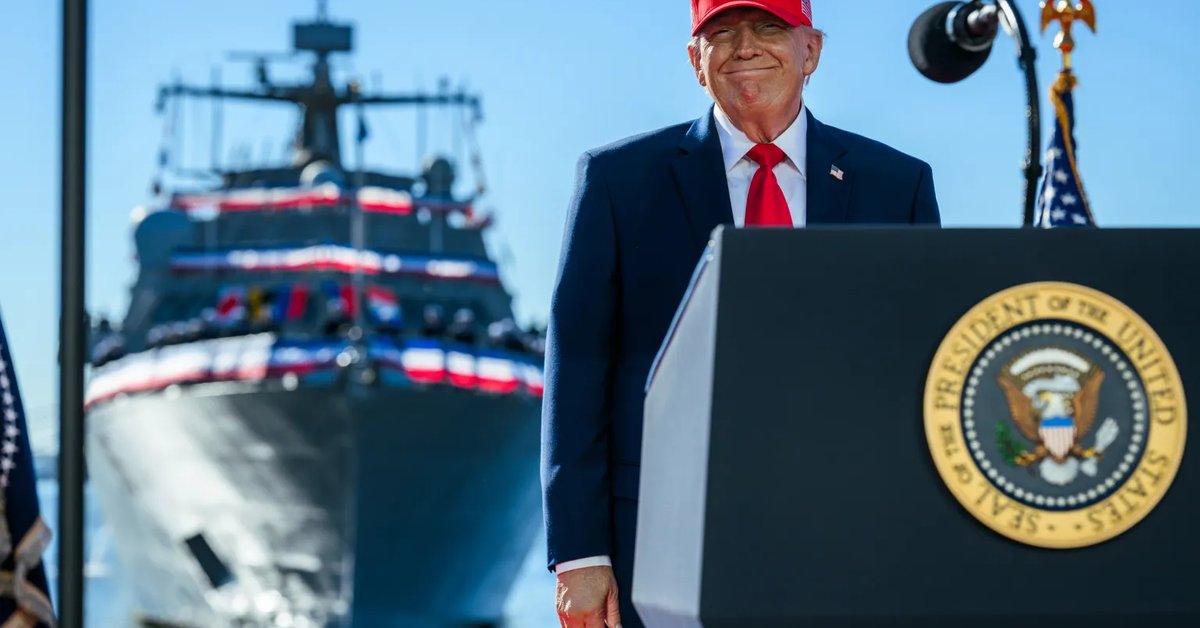
The immediate flashpoint unfolded on April 11, 2026, when US Central Command announced that two warships successfully transited the Strait of Hormuz as part of a mine-clearance operation, a move explicitly designed to deter Iranian mining threats amid stalled US-Iran talks in Pakistan, as explored in Pakistan's Diplomatic Tightrope: How US-Iran Talks in Pakistan Are Escalating India-Pakistan Border Tensions (Iran International). Iran swiftly denied the crossings occurred, labeling them provocative fabrications (Anadolu Agency), and issued warnings of retaliation against any military vessel entering what it considers its territorial waters (LRT via GDELT). President Trump's bellicose rhetoric—"Regardless of what happens, we win" (Middle East Eye)—further fueled the fire, signaling US resolve.
Beneath this naval bravado lies a cyber undercurrent ripe for exploitation. Confirmed: US transits proceeded without incident, per Centcom. Unconfirmed but plausible: Iranian cyber units, potentially from the Islamic Revolutionary Guard Corps' (IRGC) cyber division, attempted to intercept unencrypted communications or jam radar feeds, mirroring tactics used in prior Red Sea incidents. Social media has become a propaganda accelerator—pro-Iran accounts on X (formerly Twitter) spread unverified videos of "US retreats," garnering millions of views, while US-aligned influencers counter with satellite imagery affirming the transits. This digital misinformation risks false-flag operations, where hacked systems could mimic an attack, attributing it to the adversary.
The stakes for global shipping are dire. Cyber attacks on AIS (Automatic Identification System) navigation or ECDIS charts could strand supertankers, disrupting more trade than a physical blockade. Recent tankers crossing amid tensions (April 3, per recent event timeline) highlight vulnerability; a digital strike here could reroute 20 million barrels daily, inflating energy costs worldwide.
Historical Context: A Timeline of Digital Undercurrents
This cyber-infused standoff is no aberration but the evolution of a pattern traceable to March 2026. On March 11, US officials threatened strikes if Iran mined the strait, a physical red line that analysts now link to preemptive cyber hardening of US logistics (US Marine Plan for Hormuz, March 19). Iran's vow of action the next day (March 12) coincided with spikes in phishing attempts on Gulf shipping firms, per cybersecurity firm reports—unconfirmed but indicative of digital defiance.
By March 20, the US boosted oil supply convoys through Hormuz, likely shielded by enhanced cyber protocols amid IRGC drone hacks in the Arabian Sea. Iran's concession to Spain on March 26—allowing limited access—may reflect cyber pressures, as Spanish vessels reported anomalous GPS drifts beforehand. Fast-forward to April: Tankers crossed (April 3), a French ship exited post-tensions (April 3), and Iran-Oman monitoring plans emerged (April 3), all against a backdrop of Saudi-UAE war drums detailed in Gulf Geopolitics: The Untold Story of Ukraine's Drone Diplomacy and China's Peace Push Amid Hormuz Standoff (Telegram.hr) and US-Iran talks stalling over Hormuz (Ceske Noviny).
This timeline illustrates escalation from overt threats to hybrid warfare: physical mines yield to digital mines—malware-laden updates targeting SCADA systems in refineries. Historical precedents, like the 2020 Stuxnet worm (US-Israel vs. Iran nukes), show how cyber tools level the playing field, turning Hormuz into a lab for AI-driven ops.
Original Analysis: The Cyber Geopolitics Shift
Cyber espionage grants Iran asymmetric leverage, enabling strikes on US assets—satellites, supply chains—without kinetic retaliation. IRGC hackers, possibly augmented by North Korean or Russian allies, exploit Hormuz's dense IoT ecosystem: oil rigs, buoys, drones. Patterns from sources reveal this: stalled talks (Iran International) mask backchannel cyber probes, eroding trust among stakeholders like Saudi Arabia and UAE, who fear spillover hacks on Aramco-like targets.
Alliance fractures loom; a cyber false flag could implicate Gulf states, fracturing the Abraham Accords. Human elements amplify risks: freelance hackers from Lebanon (Hezbollah) or Yemen (Houthis) turn the strait into an AI warfare proving ground, with machine learning optimizing phishing or deepfakes. Policy implication: Cyber lowers escalation thresholds, forcing a rethink of deterrence—from carrier groups to quantum-secure networks.
Catalyst AI Market Prediction
The World Now's Catalyst AI engine forecasts sharp market reactions to Hormuz cyber-naval risks:
- OIL: Predicted + (high confidence) — Direct supply threat from US-Iran standoff raises disruption premium. Historical precedent: Jan 2020 Soleimani strike led to +4% oil rise in one day. Key risk: Ceasefire caps spike.
- USD: Predicted + (medium confidence) — Safe-haven flows amid uncertainty. Historical: Feb 2022 Ukraine DXY +2% in 48h. Key risk: Oil inflation prompts Fed cuts.
- EUR: Predicted - (medium confidence) — Energy vulnerability weakens EUR. Historical: Feb 2022 -2%.
- SPX: Predicted - (medium confidence) — Energy cost fears drive risk-off. Historical: Soleimani dip 0.5%.
- BTC: Predicted - (medium confidence) — Algo deleveraging hits risk assets. Historical: Ukraine -10%.
- ETH: Predicted - (medium confidence) — Liquidation cascades. Historical: Ukraine -12%.
- SOL: Predicted - (medium confidence) — High-beta altcoin plunge. Historical: Ukraine -15%.
- TSM: Predicted - (medium confidence) — Semis as geo-beta. Historical: Ukraine -5%.
Predictions powered by The World Now Catalyst Engine. Track real-time AI predictions for 28+ assets. For broader context, explore the Global Risk Index.
Future Predictions: Navigating the Digital Storm
Within 6-12 months, tensions predict a major cyber incident—hacked Strait buoys spoofing tanker routes, disrupting 20% of global oil and spiking prices 15-20%. Outcomes bifurcate: Cyber diplomacy yields US-Iran "hotline" protocols, or hybrid escalation integrates drones/satellites, reshaping alliances (e.g., Saudi cyber pact with US). New regulations—like UN cyber norms for chokepoints—could emerge, rerouting trade via Arctic or Africa, weakening Iran's leverage. US-Iran relations pivot toward managed rivalry, with AI defenses key.
Proactive measures: NATO-like cyber coalitions for Gulf shipping, quantum encryption mandates.
What This Means: Implications for Global Markets and Security
The Strait of Hormuz cyber-naval tensions underscore a pivotal shift where digital threats amplify physical risks, potentially disrupting global energy markets and forcing rapid adaptations in cybersecurity protocols worldwide. Stakeholders must prioritize hybrid defense strategies to mitigate cascading economic impacts from oil shocks to alliance realignments.
Conclusion: A Call for Vigilance
This Hormuz crisis unveils cyber espionage as the new frontier, intertwining naval transits with digital shadows for asymmetric gains. From March threats to April denials, the pattern demands vigilance: balanced strategies blending military might with cyber resilience to safeguard stability. As digital storms brew, global powers must adapt—or risk blackouts in the world's oil artery. Track evolving risks on the Global Risk Index.
This is a developing story and will be updated as more information becomes available.