
South Korea's Stock Plunge: A Wake-Up Call for Global Trade Risks
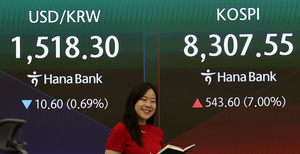
Seoul, March 9, 2026 – South Korea's KOSPI index dropped 5.72% at the open, triggering the Korea Exchange (KRX) to activate a sell-side sidecar amid rising Middle East tensions and soaring crude prices. This event highlights Seoul's exposure to global shocks, including U.S. trade frictions, potentially impacting export-driven economies across Asia.
What's Happening
The KOSPI experienced a sharp 5.72% decline at the market open, marking one of the worst starts since late 2024. The KRX implemented a sell-side sidecar to halt aggressive selling by institutions and prevent panic. Key drivers include escalating Iran-related geopolitical risks, pushing Brent crude prices above $85 per barrel—a 4% overnight surge. As a nation importing over 90% of its energy, South Korea faces heightened inflation pressures on companies like SK Innovation and S-Oil. Additionally, rising U.S. Treasury yields and a stronger dollar exacerbated the fall, hitting tech exporters such as Samsung Electronics, which dropped 7% intraday. This underscores the interconnectedness of global markets and the rapid spread of volatility.
Context and Implications
South Korea has faced similar external pressures recently. In January 2026, the government intervened to stabilize the won after it reached 1,500 per dollar due to U.S. policy uncertainty. U.S. chip tariffs on January 17 slashed exports by 15% year-over-year, while President Trump's 25% tariffs on autos and steel in late January further eroded confidence, weakening the won by 12% year-to-date. These events reveal South Korea's heavy reliance on exports—accounting for 60% of GDP, with 40% directed to the U.S. and China—making it vulnerable to global disruptions.
Looking Ahead
This plunge signals potential long-term challenges for South Korea's economy. A $10-per-barrel oil price increase could reduce 2026 GDP by 0.5% through higher costs and reduced consumer spending. In the short term, watch for further KOSPI drops to 2,400 if tensions escalate, with possible government interventions like rate hikes or forex reserve use. Over 6-12 months, expect trade shifts toward ASEAN and India to mitigate risks, though unchecked volatility might slow GDP to 1.5%. Global stakeholders should monitor U.S. tariff negotiations and OPEC+ decisions for signs of recovery.
(Word count: 582)