
South Africa Bolsters Ties with Iran and Russia Through Naval Drills as US Appoints Controversial Ambassador
Pretoria, South Africa – South Africa has firmly defended its participation in joint naval exercises with Iran and Russia, describing them as vital for military preparedness and diplomatic outreach, even as the United States prepares to install a new ambassador with a history of criticizing the African nation's ruling party.
The drills, which commenced on January 10, 2026, underscore South Africa's deepening military cooperation with nations often at odds with Western powers. In a statement reported by Channel News Asia, South African officials emphasized that such multinational exercises are "essential" for enhancing operational readiness and fostering international relations. This comes amid Pretoria's active role in the BRICS bloc – comprising Brazil, Russia, India, China, South Africa, and newer members like Iran – which has positioned the country as a key player in the Global South's push for multipolar geopolitics.
The naval maneuvers represent a continuation of South Africa's pattern of engaging in joint military activities with non-Western partners. Previous exercises, such as the Mosi series in 2023 and 2024 involving Russia and China, have similarly drawn scrutiny from the U.S. and its allies. Including Iran in these drills marks a notable escalation, given Tehran's status as a U.S.-designated state sponsor of terrorism and its involvement in regional conflicts across the Middle East. South Africa's defense ministry has not released detailed itineraries, but the exercises are believed to focus on interoperability, anti-submarine warfare, and maritime security in the Indian Ocean.
This development unfolds against a backdrop of strained U.S.-South Africa relations. Tensions have simmered for years over issues including Pretoria's land reform policies, its hosting of Hamas leaders, and its high-profile case against Israel at the International Court of Justice accusing it of genocide in Gaza – a move that prompted the U.S. Congress to threaten aid cuts in 2024. South Africa's neutral or pro-Palestinian stances have further alienated Washington, particularly under the returning Trump administration.
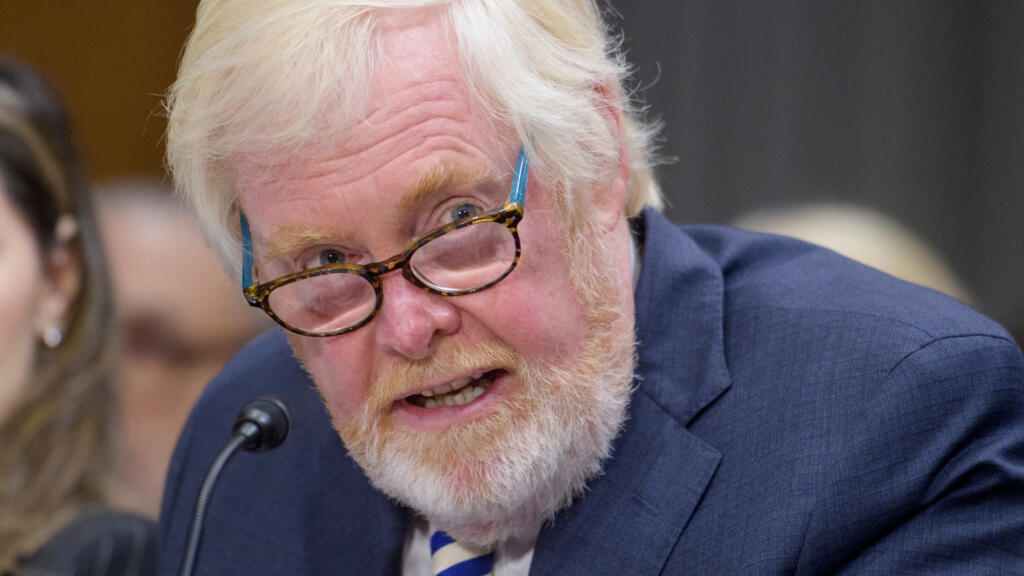
Compounding these frictions is the U.S. Senate's confirmation of Leo Brent Bozell III as the new ambassador to South Africa, as detailed by RFI. Bozell, a prominent conservative activist and president of the Media Research Center, was nominated by President Donald Trump and is set to assume his post imminently. His selection is viewed as provocative due to his past involvement in opposing the African National Congress (ANC) during its anti-apartheid struggle. In the 1980s, Bozell supported alternative anti-communist movements in South Africa, criticizing the ANC's ties to the Soviet Union and its Marxist leanings. This history, RFI reports, could "strain relations even further," especially as the ANC, still governing via a coalition after losing its parliamentary majority in 2024 elections, navigates domestic challenges and foreign policy balancing acts.
Bozell's conservative credentials extend beyond South Africa; he is the son of a prominent National Review columnist and has been a vocal Trump ally. Critics in Pretoria argue his appointment signals a punitive approach from Washington, potentially complicating trade, investment, and security dialogues. The U.S. is South Africa's largest bilateral trading partner, with annual exchanges exceeding $20 billion, primarily in automobiles, minerals, and aircraft. Any diplomatic chill could impact these flows, particularly as South Africa grapples with economic stagnation, unemployment above 30%, and energy crises.
Background on South Africa's Geopolitical Balancing Act
South Africa's foreign policy has evolved significantly since the end of apartheid in 1994. Under Nelson Mandela and subsequent ANC leaders, the country adopted a non-aligned stance, prioritizing African solidarity via the African Union and South-South cooperation. Membership in BRICS since 2010 has amplified this, enabling access to development finance from China and military tech from Russia. Iran, admitted to BRICS in 2024, fits this framework as a counterweight to Western dominance.
However, these alignments have costs. The European Union and U.S. have criticized South Africa's abstentions or opposition to UN resolutions condemning Russia's invasion of Ukraine. Naval drills with sanctioned nations like Iran and Russia risk secondary sanctions under U.S. laws such as CAATSA (Countering America's Adversaries Through Sanctions Act). Pretoria maintains that its actions comply with international law and its constitutional commitment to peaceful multilateralism.
Outlook: Navigating Multipolar Pressures
As Bozell prepares to arrive in Pretoria, South African diplomats face the challenge of reassuring investors while asserting strategic autonomy. The naval drills, framed as routine by officials, may serve as a signal of defiance amid perceived U.S. interference. Analysts anticipate Bozell's tenure could lead to pointed public exchanges, echoing past U.S. ambassadors' rebukes over human rights and governance.
For South Africa, the exercises bolster its blue-water navy capabilities – crucial for securing vital sea lanes carrying 90% of its trade. Yet, in a world of escalating great-power rivalry, Pretoria's flirtations with the Russia-Iran axis risk isolating it from traditional Western partners at a time when economic recovery hinges on foreign direct investment.
The interplay of these events highlights South Africa's tightrope walk in global geopolitics: defending sovereignty through diverse alliances while managing superpower frictions. As the drills continue, all eyes will be on whether Bozell's arrival precipitates a diplomatic downturn or an opportunity for reset.
(Word count: 712)






