
Somaliland Rejects Rumors of Migrant Deal with Israel as Diplomatic Ties Deepen with Ministerial Visit
HARGEISA, Somaliland — Somaliland has firmly denied reports of any agreement with Israel involving the recognition of its independence in exchange for accepting Gazan migrants, even as the Jewish state became the first country to officially recognize the breakaway Horn of Africa territory. The denial comes amid heightened geopolitical maneuvering, highlighted by a landmark visit from Israel's Foreign Minister just weeks after the recognition announcement.
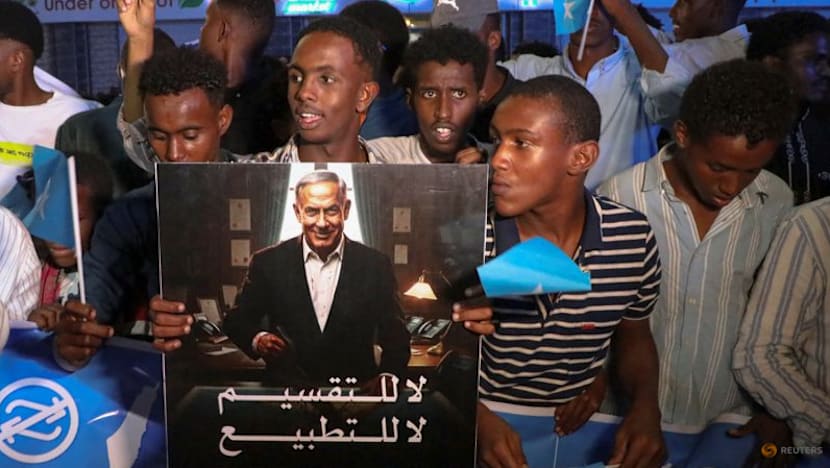
On January 2, 2026, Somaliland's government publicly refuted claims of a quid pro quo arrangement, stating there was no deal linking diplomatic recognition to the resettlement of Palestinians from Gaza. This statement arrives against a backdrop of escalating regional tensions, including Israel's ongoing conflicts in the Middle East and Somaliland's long-standing quest for international legitimacy. Officials emphasized that bilateral relations are progressing on mutual strategic interests, without tying them to humanitarian relocation schemes.
The denial follows Israel's groundbreaking decision to recognize Somaliland as an independent state, a move described as controversial by observers. According to reports, this acknowledgment marks a pivotal shift in the region's diplomatic landscape, positioning Israel as the pioneer in granting Somaliland formal statehood status. Somaliland, which declared independence from Somalia in 1991, has maintained relative stability, holding multi-party elections and fostering economic growth through ports like Berbera, but it has lacked widespread global recognition for over three decades.
Compounding the developments, Israel's Foreign Minister arrived in Somaliland on or around January 6, 2026, for what sources describe as a "historic visit." This trip, occurring mere weeks after the recognition, underscores deepening ties between the two entities. Channel News Asia reported the visit as a "significant diplomatic development," signaling Israel's intent to expand alliances in Africa. The BBC characterized the recognition itself as controversial, noting its potential to strain relations with other regional players, including Somalia, which views Somaliland as part of its territory.
Background on Somaliland's Recognition Quest
Somaliland's path to this moment has been marked by persistent diplomatic isolation. Since its unilateral declaration of independence, the territory has built institutions resembling those of a sovereign nation, including a functioning government, currency (the Somaliland shilling), and armed forces. Its strategic location along the Gulf of Aden provides access to vital Red Sea shipping lanes, attracting interest from global powers. The Berbera port, modernized with investments from the United Arab Emirates and Ethiopia, has positioned Somaliland as a potential hub for trade and military cooperation.
Israel's engagement aligns with its broader strategy to cultivate partnerships in Africa amid challenges like Iran's influence and security threats in the Red Sea. Historical precedents include Israel's past ties with Ethiopia and other East African nations during the Cold War era. The recognition and subsequent visit could pave the way for cooperation in areas such as technology transfer, agriculture, and defense—sectors where Israel has expertise.
Somalia's federal government in Mogadishu has long opposed Somaliland's secession, viewing it as a violation of its sovereignty. The African Union has similarly refrained from endorsing independence, prioritizing territorial integrity across the continent. Israel's move risks diplomatic friction with the AU and Arab states, some of which do not recognize Israel.
Details of the Israeli Visit and Denial
The Foreign Minister's itinerary in Hargeisa, Somaliland's capital, was framed by both Channel News Asia and BBC as a milestone. While specific details of meetings remain limited in available reports, the visit symbolizes formal endorsement of Somaliland's aspirations. It follows a pattern of quiet diplomacy, with unconfirmed prior engagements between Israeli and Somaliland officials.
Somaliland's denial of the alleged recognition-for-migrants deal addresses speculation fueled by the Gaza conflict's displacement crisis. Over 1.9 million Palestinians have been internally displaced in Gaza since October 2023, per UN figures, prompting discussions of third-country solutions. However, Somaliland clarified that no such proposal was accepted, distancing itself from broader Middle East refugee dynamics while affirming independent bilateral progress with Israel.
Regional and Global Implications
These events occur amid volatile geopolitics in the Horn of Africa. Ethiopia's recent memorandum of understanding with Somaliland for sea access has irked Mogadishu, while tensions with Houthi attacks in the Red Sea disrupt global trade. Israel's involvement could bolster Somaliland's bargaining power but invite backlash from Somalia's allies, including Turkey and Qatar.
As the first official recognition, Israel's step may encourage others, such as the United States or European nations, which have provided aid to Somaliland without formal acknowledgment. Talks in Washington and Brussels have historically focused on counterterrorism and anti-piracy efforts.
Looking ahead, the ministerial visit may yield agreements on economic or security collaboration, further solidifying ties. Somaliland's government has welcomed the recognition as a "new chapter," while urging the international community to follow suit. Somalia, meanwhile, has not issued an immediate response, but past patterns suggest protests through the AU.
In a region fraught with instability—Somalia's al-Shabaab insurgency persists despite African Union peacekeeping—these developments highlight Somaliland's outlier stability and its appeal to strategic partners like Israel. Observers will watch for follow-on actions, including potential embassy establishments or joint ventures, as both sides navigate broader geopolitical currents.
(Word count: 712)