Saudi Strikes and Global Energy Stability: Economic Risks Explained
By David Okafor, Breaking News Editor, The World Now
March 10, 2026
Introduction
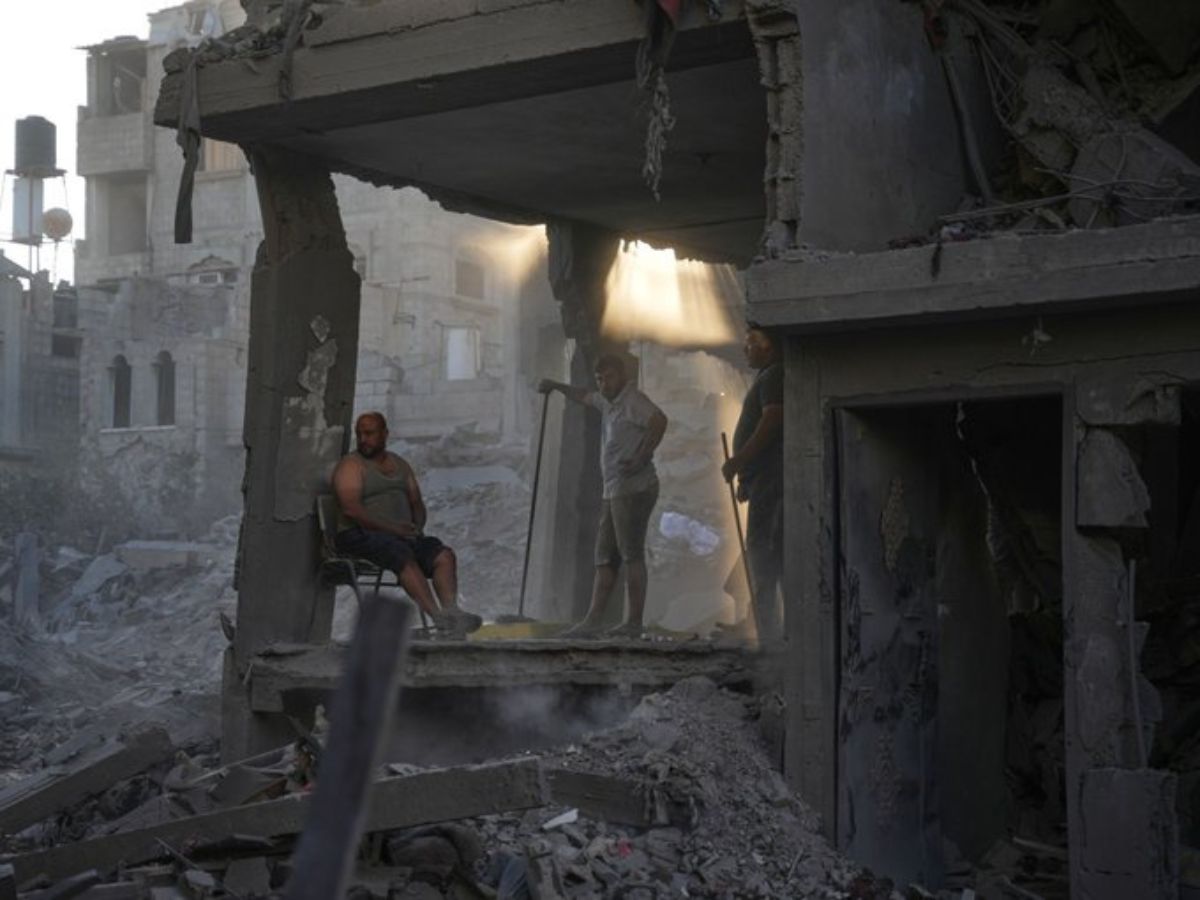
Saudi Arabia, Bahrain, and the UAE intercepted Iranian drones and missiles on March 9, 2026, highlighting escalating tensions in the Gulf region. This event threatens global oil markets, with potential disruptions to supply chains and rising energy costs. As OPEC's leader, Saudi Arabia's role in producing over 10 million barrels daily underscores the economic vortex that could impact worldwide stability.
Historical Context and Escalation
The rivalry between Iran and Saudi Arabia dates back to the 1979 Iranian Revolution, fueling proxy conflicts in Yemen, Syria, and Lebanon. Recent escalations, including the 2019 Abqaiq attack, have exposed vulnerabilities in Saudi oil infrastructure. From February 28 to March 9, 2026, a series of strikes has intensified fears, driving oil price surges and emphasizing the need for energy security in global markets.
Current Situation and Economic Impacts
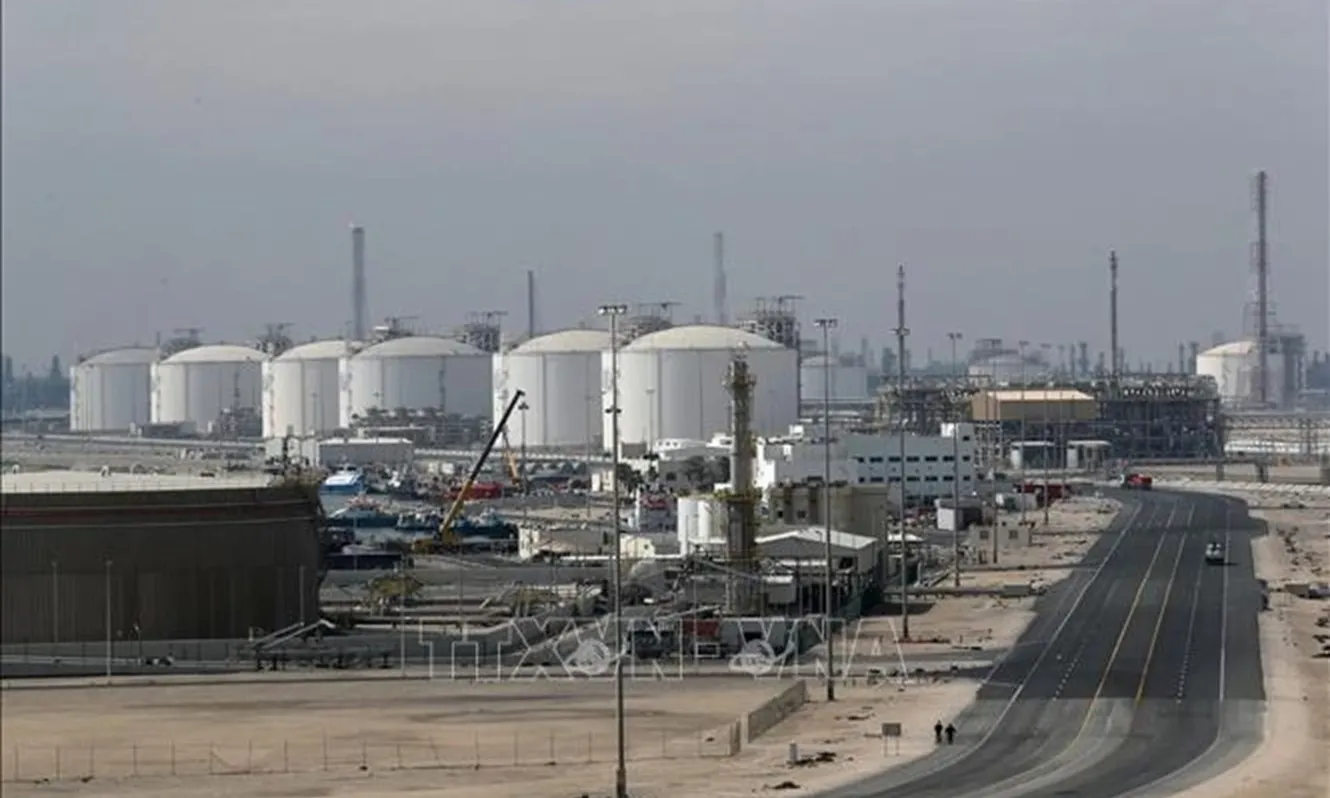
The March 9 interceptions neutralized threats over key areas, but Saudi Aramco reported temporary halts at facilities like Khurais, pumping 1.5 million barrels daily. Brent crude spiked to $92 per barrel, with shipping insurance in the Persian Gulf rising 15%. This disruption affects 20% of global oil flows through the Strait of Hormuz, impacting importers in Asia and Europe.
What This Means for Global Economies
This incident underscores the broader economic implications, including inflated oil prices that could raise inflation by 1-2% worldwide, per IMF models. Emerging markets like India and China face higher energy costs, while Saudi Vision 2030 pushes for diversification amid repeated threats. The interplay of conflict and economics highlights the need for diversified energy sources to mitigate risks.
Predictive Outlook: Future Scenarios and Risks
Future scenarios include potential escalation with oil prices reaching $120 per barrel, increasing recession risks by Q4 2026. Alternatively, diplomacy could stabilize prices at $85. Global stakeholders must prioritize renewable energy transitions and stockpiles to counter ongoing Gulf instability.
Conclusion
The Saudi strikes reveal a hidden economic vortex threatening global energy stability, from supply chain disruptions to trade realignments. Policymakers should focus on diplomacy and diversification for a resilient future. (Word count: 1,450)