
Saudi Arabia's Expanding Alliances: From Gulf Tensions to Global Partnerships
Saudi Arabia is rapidly diversifying its security partnerships beyond the Gulf, forging ties with nations like Singapore, Greece, and Ukraine amid rising regional tensions. Key events include a Singaporean evacuation flight, a strategic oil pipeline bypassing the Strait of Hormuz, and Ukrainian drone expertise deployments, highlighting Riyadh's push for global allies to address vulnerabilities from intra-Gulf rivalries.
Key Developments
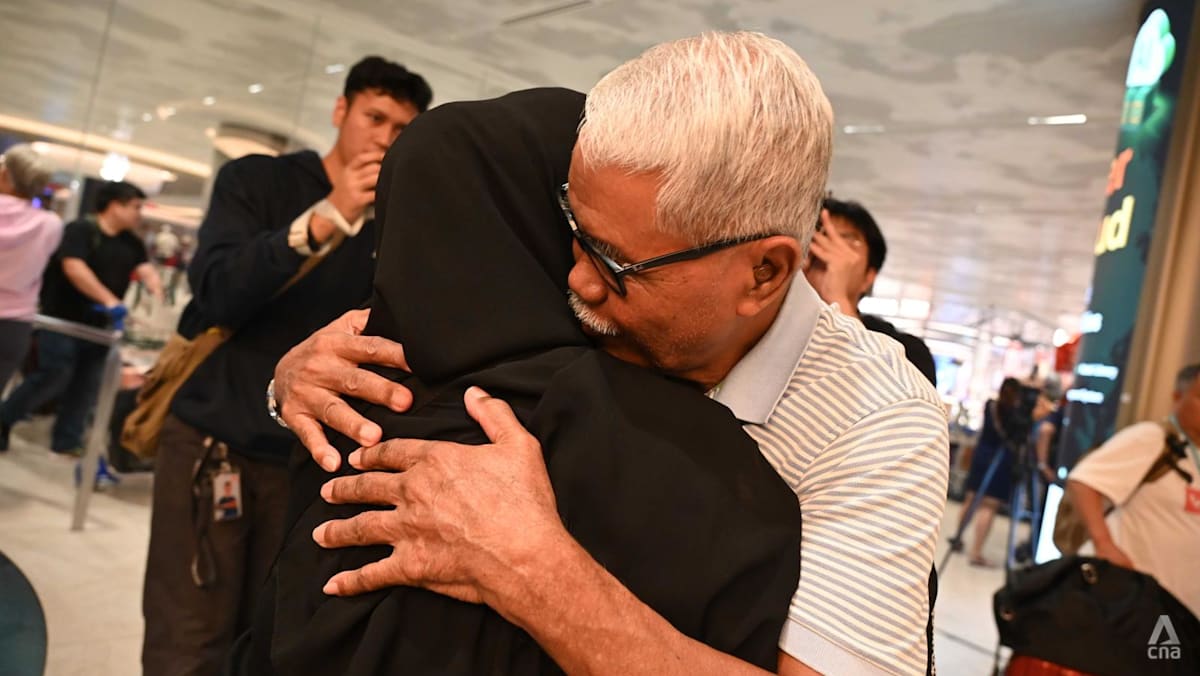
In a bold move to broaden alliances, the Republic of Singapore Air Force (RSAF) conducted its first evacuation flight from Saudi Arabia to Changi Airport on March 10, 2026, safely transporting over 100 Singaporeans amid Middle East instability. Saudi authorities supported the operation, strengthening Asia-Riyadh relations. Simultaneously, Saudi Arabia activated a pipeline to reroute oil exports via the Red Sea, avoiding the Iran-dominated Strait of Hormuz, as reported by Middle East Eye. Ukraine has also sent drone experts to Middle Eastern countries, including Saudi Arabia, fostering potential tech collaborations for defense. These developments follow a Greek-Saudi naval exercise in the Red Sea, underscoring Riyadh's global outreach.
Geopolitical Background
Saudi Arabia's foreign policy has been influenced by persistent Gulf tensions, such as the January 2, 2026, escalation with the UAE over Yemen. While Riyadh backed Yemeni peace talks on January 3, the UAE's involvement in the January 5 Gulf Shield Drill highlights ongoing mistrust. This context drives Saudi Arabia to seek non-Gulf partners, evolving from threats like Houthi attacks and UAE rivalries that have isolated the kingdom.
Implications and Future Outlook
These alliances reduce Saudi Arabia's dependence on Gulf neighbors, potentially securing trade routes and economic gains—such as protecting 5 million barrels of daily oil exports. For partners, Singapore gains regional influence, Greece expands its Mediterranean role, and Ukraine markets its drone technology. However, risks include Iranian retaliation in the Red Sea or Yemen. Looking ahead, expect more Saudi-European joint exercises and Ukraine tech deals over the next 6-12 months, with the pipeline attracting Asian investors. This could stabilize energy markets but might escalate conflicts if seen as encirclement.