
Saudi Arabia Imposes Temporary Ban on Poultry and Egg Imports from France and Poland Amid Avian Disease Outbreaks
Riyadh, Saudi Arabia – Saudi Arabia has enacted a temporary ban on poultry and egg imports from France and Poland in response to ongoing outbreaks of highly pathogenic avian influenza (HPAI) and Newcastle disease, as announced by the Saudi Food and Drug Authority (SFDA) on January 8, 2026. The measure, aimed at safeguarding public health and the kingdom's domestic poultry sector, restricts shipments to only heat-treated products accompanied by verified health certificates.
The decision underscores Saudi Arabia's stringent biosecurity protocols in the face of global avian disease challenges. Both France and Poland have reported significant outbreaks in recent months, prompting mass culling of infected flocks and heightened surveillance. In France, multiple HPAI cases linked to the H5N1 strain have been confirmed across poultry farms, leading to the slaughter of millions of birds since late 2025. Poland has similarly battled Newcastle disease, a highly contagious viral infection that affects birds' respiratory, nervous, and digestive systems, resulting in widespread farm restrictions and export disruptions.
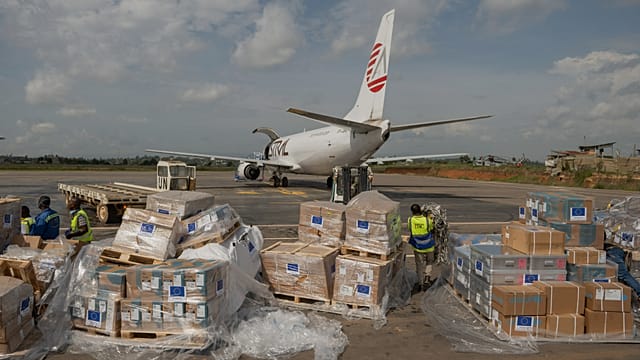
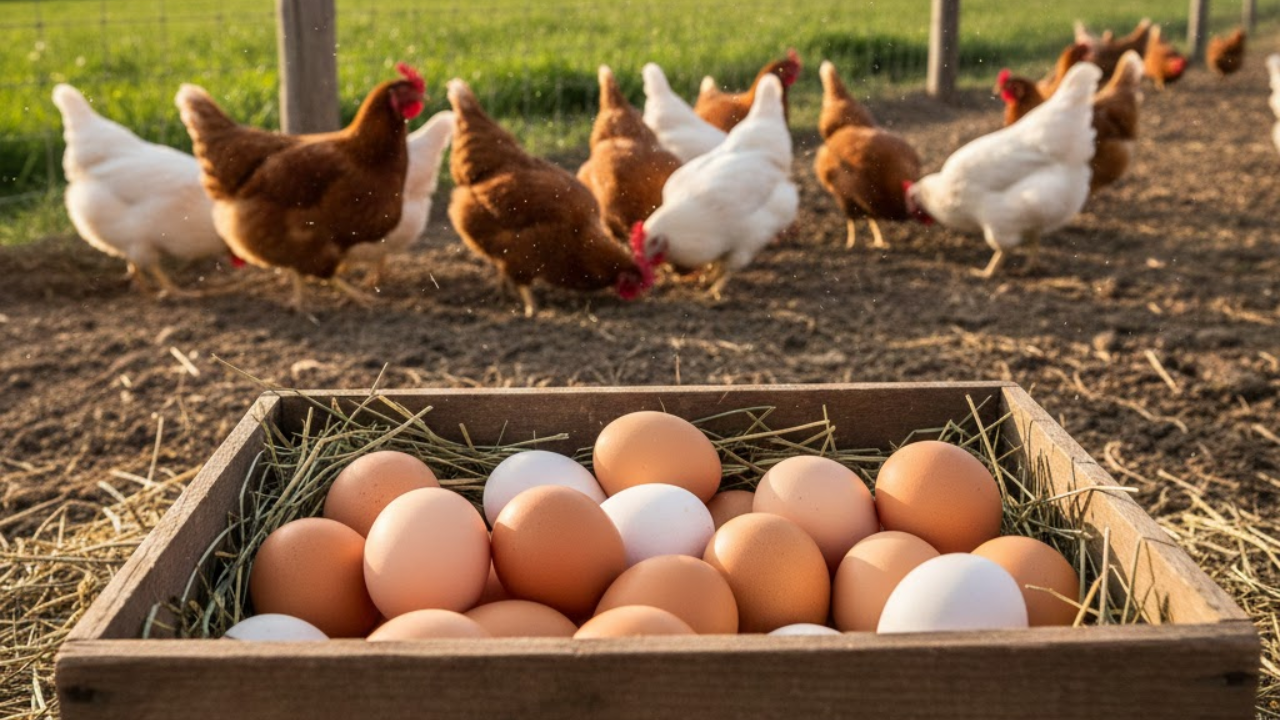
The SFDA's directive explicitly prohibits the import of raw or untreated poultry meat, eggs, and related products from the affected regions. Approved imports must undergo heat treatment to neutralize pathogens and be supported by official health certificates confirming compliance with international standards set by bodies like the World Organisation for Animal Health (WOAH). This targeted allowance ensures continuity for processed goods while blocking potential vectors of disease transmission through uncooked items.
Disease Context and Global Spread
HPAI, commonly known as bird flu, poses risks not only to poultry but also to humans in rare zoonotic transmissions, with the ongoing H5N1 clade 2.3.4.4b variant driving global concerns. According to WOAH reports, Europe has been a hotspot, with France recording over 100 outbreaks in 2025 alone, primarily in southwestern regions. Newcastle disease, while not typically zoonotic, devastates poultry productivity, causing high mortality rates—up to 100% in unvaccinated flocks—and severe economic losses through trade restrictions.
Saudi Arabia's swift action aligns with its history of proactive import controls. The kingdom, one of the world's largest poultry importers despite domestic production covering about 60% of demand, has previously banned shipments from nations like the United States, Brazil, and several European countries during past outbreaks. In 2022-2023, similar measures were imposed amid HPAI waves, which temporarily spiked local chicken prices by 20-30% before stabilizing through increased local output and diversification to suppliers like Brazil, the UAE, and Turkey.
The SFDA emphasized that the ban is under continuous review, with resumption possible once the exporting countries demonstrate disease-free status through rigorous testing and quarantine. Importers are urged to source from compliant origins, and enhanced inspections at ports like Jeddah Islamic Port and King Abdullah Port will enforce the rules.
Implications for Saudi Arabia's Food Security
Saudi Arabia's poultry sector is a cornerstone of its food security strategy under Vision 2030, which seeks to boost self-sufficiency from 66% to 80% by investing in local farming, feed production, and technology. Annual poultry consumption exceeds 1.5 million tons, with imports filling gaps during peak demand periods like Ramadan. The ban could strain supplies from Europe, which accounts for roughly 10-15% of Saudi poultry imports, potentially leading to short-term price fluctuations.
Industry stakeholders anticipate minimal long-term disruption, given alternative suppliers' capacity. The National Center for Poultry recently expanded operations, adding 200,000 tons of annual capacity in 2025. Public health officials have reassured consumers that domestic products undergo rigorous testing, with no avian disease cases reported locally in years due to mandatory vaccination and biosecurity.
Broader Regional and International Response
This move reflects a pattern among Gulf Cooperation Council (GCC) states, including the UAE and Qatar, which have mirrored Saudi bans on French and Polish poultry. The European Commission has acknowledged the outbreaks, implementing regionalization—allowing exports from unaffected zones—though Saudi authorities require whole-country compliance for high-risk products.
As outbreaks persist into early 2026, experts monitor wild bird migrations as key transmitters. The Food and Agriculture Organization (FAO) warns of a "polycrisis" in global poultry health, urging vaccination drives and trade transparency.
In summary, Saudi Arabia's import ban exemplifies balanced risk management, protecting its population and industry while maintaining supply chains. Ongoing vigilance from the SFDA and international partners will determine the duration of restrictions, with the kingdom well-positioned to navigate this challenge through diversified sourcing and domestic growth.
(Word count: 612)