Saudi Airstrikes and Escalating Tensions in Yemen: A Rift Between Allies

Latest from X
Saudi Airstrikes and Escalating Tensions in Yemen: A Rift Between Allies
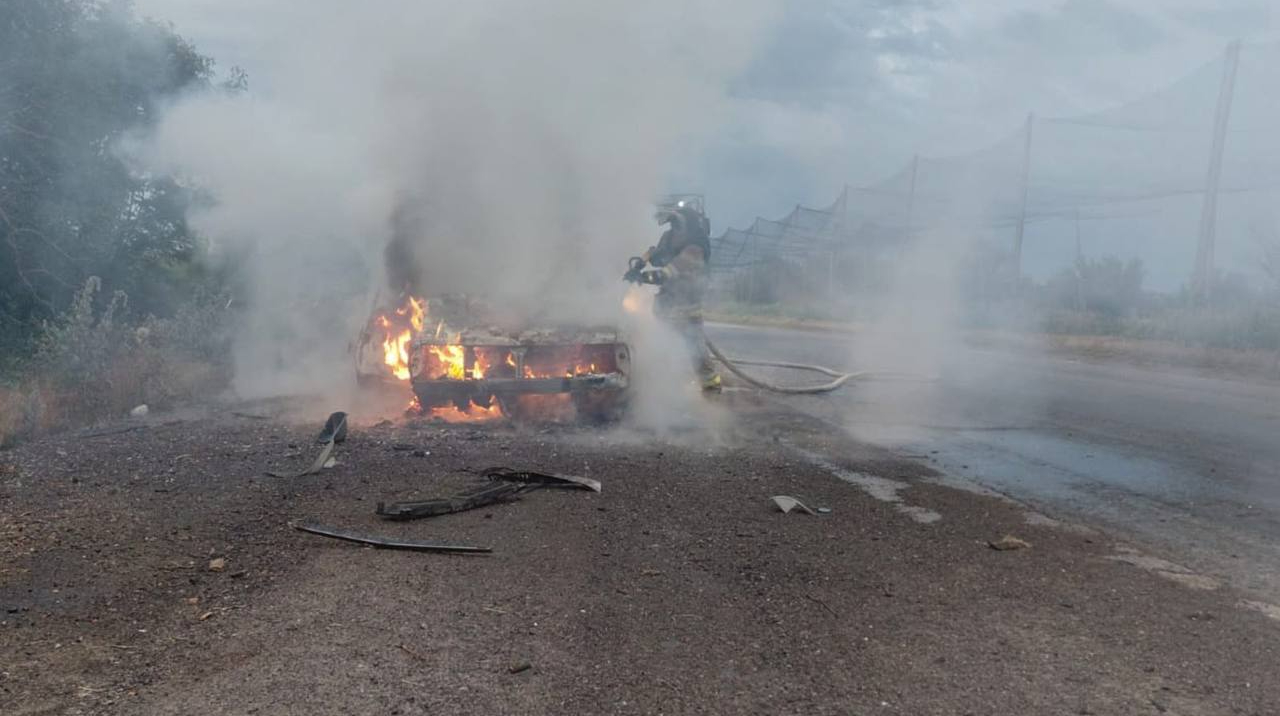
In a dramatic escalation of conflict in Yemen, Saudi Arabia has conducted airstrikes on the port city of Mukalla, targeting a weapons shipment allegedly sent by the United Arab Emirates (UAE) to southern separatist forces. The strikes, which began on December 31, 2025, have intensified tensions not only within Yemen but also between long-standing allies Saudi Arabia and the UAE, with the latter announcing plans to withdraw its remaining forces from the region. Meanwhile, pro-government forces in Yemen have reported significant territorial gains in the south, further complicating the already volatile situation.
The Saudi-led coalition, which has been fighting Yemen’s Houthi rebels since 2015, carried out the airstrikes on Mukalla in response to what Riyadh described as an unauthorized weapons shipment destined for the Southern Transitional Council (STC), a separatist group backed by the UAE. According to Saudi authorities, the shipment represented a direct threat to their efforts to maintain control over southern Yemen and stabilize the country under the internationally recognized government. The attack on Mukalla, a key port in Hadhramaut province, marks a significant shift, as it directly targets forces supported by a coalition partner, exposing deep fractures within the alliance.
Hours after the airstrikes, the UAE announced its intention to pull its remaining forces from Yemen, signaling a major rift with Saudi Arabia. The UAE has long supported the STC, which seeks independence for southern Yemen, while Saudi Arabia backs the Yemeni government and views the separatist movement as a destabilizing force. This public confrontation between the two Gulf powers, who have been allies in the war against the Houthis, has raised concerns about the future of the coalition and the broader stability of the region.
Amid the escalating tensions between Saudi Arabia and the UAE, pro-government forces in Yemen have made notable advances in the south. According to reports from Anadolu Agency, Yemeni government forces entered the capital city of Hadhramaut province following the withdrawal of STC fighters. This comes after they regained control of Al-Mahra province, marking a series of strategic victories for the government. Additionally, Al Jazeera reported that pro-government officials confirmed control over multiple cities in the Wadi Hadramawt region as of January 4, 2026. These developments suggest a potential shift in the balance of power in southern Yemen, though the long-term implications remain unclear.
Background: A Complex Conflict
Yemen’s civil war, which began in 2014, has been one of the world’s most devastating humanitarian crises, displacing millions and leaving much of the population on the brink of famine. The conflict initially pitted the Houthi rebels, who control much of northern Yemen, against the internationally recognized government. Saudi Arabia and the UAE intervened in 2015 as part of a coalition to restore the government, but their differing agendas in the south have long created tensions. While Saudi Arabia prioritizes a unified Yemen under the government, the UAE has supported the STC’s separatist ambitions, leading to periodic clashes between their respective proxies.
The recent events in Mukalla and Hadhramaut are not isolated incidents but part of a broader pattern of infighting among anti-Houthi forces. The STC’s push for independence and the UAE’s backing have repeatedly clashed with Saudi Arabia’s vision, undermining coalition unity. The airstrikes on Mukalla, therefore, represent not just a military operation but a political statement from Riyadh, signaling its unwillingness to tolerate actions that threaten its objectives in Yemen.
Outlook: Uncertainty Ahead
The fallout from the Mukalla airstrikes and the UAE’s planned withdrawal raises critical questions about the future of the Saudi-led coalition and the trajectory of Yemen’s conflict. Analysts warn that the rift between Saudi Arabia and the UAE could embolden the Houthis, who have already intensified attacks on Saudi and Emirati interests in recent years. Moreover, the territorial gains by pro-government forces, while a boost for the Yemeni government, may provoke further resistance from separatist factions, potentially reigniting large-scale violence in the south.
As of early January 2026, the situation remains fluid, with Saudi Arabia calling for dialogue to ease tensions, according to recent web reports. However, the underlying issues—divergent goals among allies and the complex web of local loyalties in Yemen—are unlikely to be resolved quickly. The international community, including the United Nations, has renewed calls for a ceasefire and negotiations, but the path to peace in Yemen appears as elusive as ever.
For now, the people of Yemen continue to bear the brunt of this multifaceted conflict, caught between internal divisions, proxy wars, and the devastating consequences of violence. The events of the past week serve as a stark reminder of the fragility of alliances and the urgent need for a unified approach to ending the war.
Track this story live
Live World Map
Monitor global events in real time with a live activity map and hotspot summaries.
Global Conflict Map
Follow active conflict zones, strike activity, and emerging geopolitical hotspots.
Current Wars
Track all active wars and armed conflicts happening in the world right now.
Iran War
Track the Iran war in real time with proxy network monitoring, Strait of Hormuz risk, and market impact.
Original Sources
- •
- •
Editorial process: This article was synthesized from the original sources cited above using The World Now's AI editorial system, with byline accountability from our editorial team. We grade every story for source grounding, factual coherence, and on-topic match before publication. Read more about our editorial standards and contributors. Spot something inaccurate? Let us know.
Last updated: January 30, 2026