
Russia's Strike Shadows: Regional Resilience and Internal Challenges - Russia Update - 3/11/2026
Russia faces escalating threats from Ukrainian drone attacks, with Sochi enduring a 24-hour barrage and Bryansk suffering civilian casualties. This update explores the impacts, regional vulnerabilities, and potential future scenarios amid the ongoing conflict.
Current Status
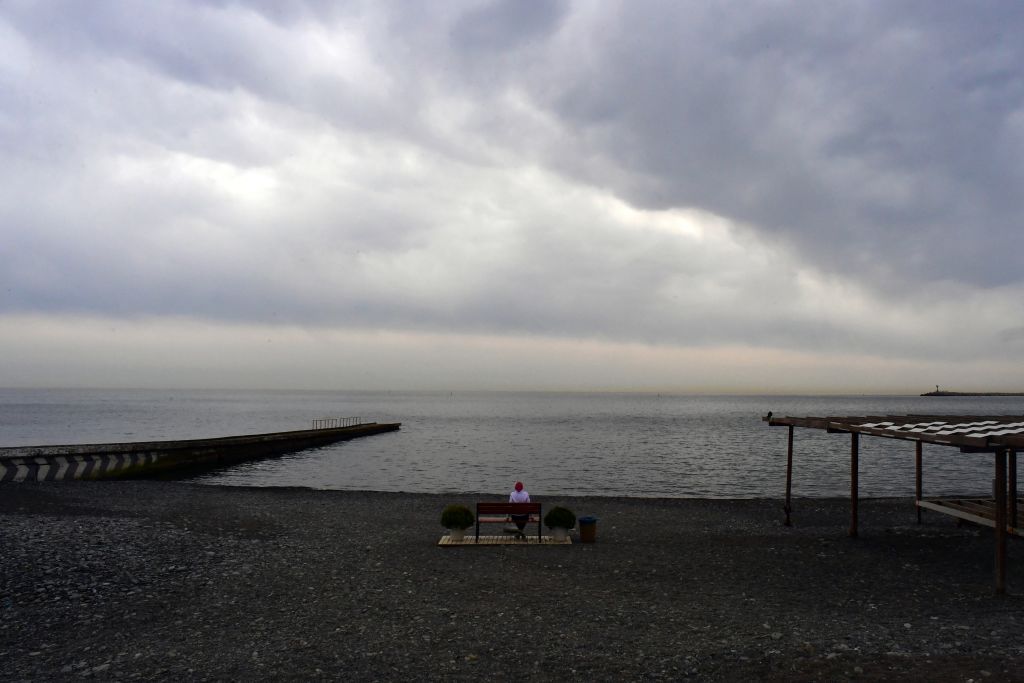
As of March 11, 2026, Russian regions near Ukraine and the Black Sea are under heightened aerial assault. Sochi's mayor described a massive 24-hour drone attack, resulting in over 100 interceptions, power outages, and airport disruptions, with no fatalities reported. In Bryansk, a strike killed six and injured 37, overwhelming local hospitals and prompting a state of emergency. Eyewitness reports from social media highlight the shift to civilian targets, exposing gaps in Russian air defenses despite claims of 80% interception rates.
Analysis and Implications
These attacks mark a tactical shift in Ukrainian drone warfare, targeting economic and industrial hubs like Sochi's tourism sector and Bryansk's factories. Socio-economic fallout includes halted production, estimated daily losses of $50 million, and a 40% drop in Sochi bookings. This exposes internal Russian vulnerabilities, such as outdated defenses and regional inequalities, potentially fueling domestic unrest and diverting resources from frontlines.
Outlook and Future Scenarios
Looking ahead, Russia may retaliate with missile strikes or cyber operations within 72 hours. Ukraine's drone capabilities, enhanced by Western tech, could escalate to larger swarms. Possible outcomes include further escalation (60% likelihood), stalemate (25%), or de-escalation (15%), with global risks to energy markets and NATO involvement. The conflict's internal pressures may accelerate peace talks.
Sources include Kyiv Independent, Newsmax, and eyewitness accounts from Telegram and X.






