
Russian Strikes Trigger Widespread Blackouts in Southeastern Ukraine as Kyiv Targets Russian Tanker in Black Sea
Dnipropetrovsk/Zaporizhzhia regions, Ukraine – Russian missile and drone strikes on January 8, 2026, plunged large parts of southeastern Ukraine into darkness, causing near-total power outages in the Dnipropetrovsk and Zaporizhzhia regions amid freezing winter temperatures. Ukrainian officials described the attacks as a high-severity assault on critical energy infrastructure, exacerbating civilian hardships. In a related development the same day, Ukraine struck back by hitting an oil tanker bound for Russia with a drone in the Black Sea, highlighting the intensifying tit-for-tat strikes in the ongoing conflict.
The blackouts began early on Thursday, around 07:39 GMT, affecting key industrial and residential areas in Dnipropetrovsk and Zaporizhzhia oblasts. Local authorities reported almost complete loss of electricity, leaving hundreds of thousands without power for heating, lighting, or essential services. Reports from Al Jazeera characterized the situation as "deliberate torment," with Ukrainians facing severe hardships during one of the coldest periods of the year. Residents in affected areas have been left shivering without heating, forcing reliance on makeshift solutions like wood stoves or communal shelters as temperatures drop below freezing.
Ukrainian energy officials have warned that the strikes targeted power generation and transmission facilities, consistent with a pattern of Russian assaults aimed at crippling the nation's grid. Repair crews are working around the clock, but ongoing threats from further attacks have complicated restoration efforts. No immediate casualty figures from the strikes were available, though previous similar incidents have resulted in deaths and injuries among civilians and emergency responders.
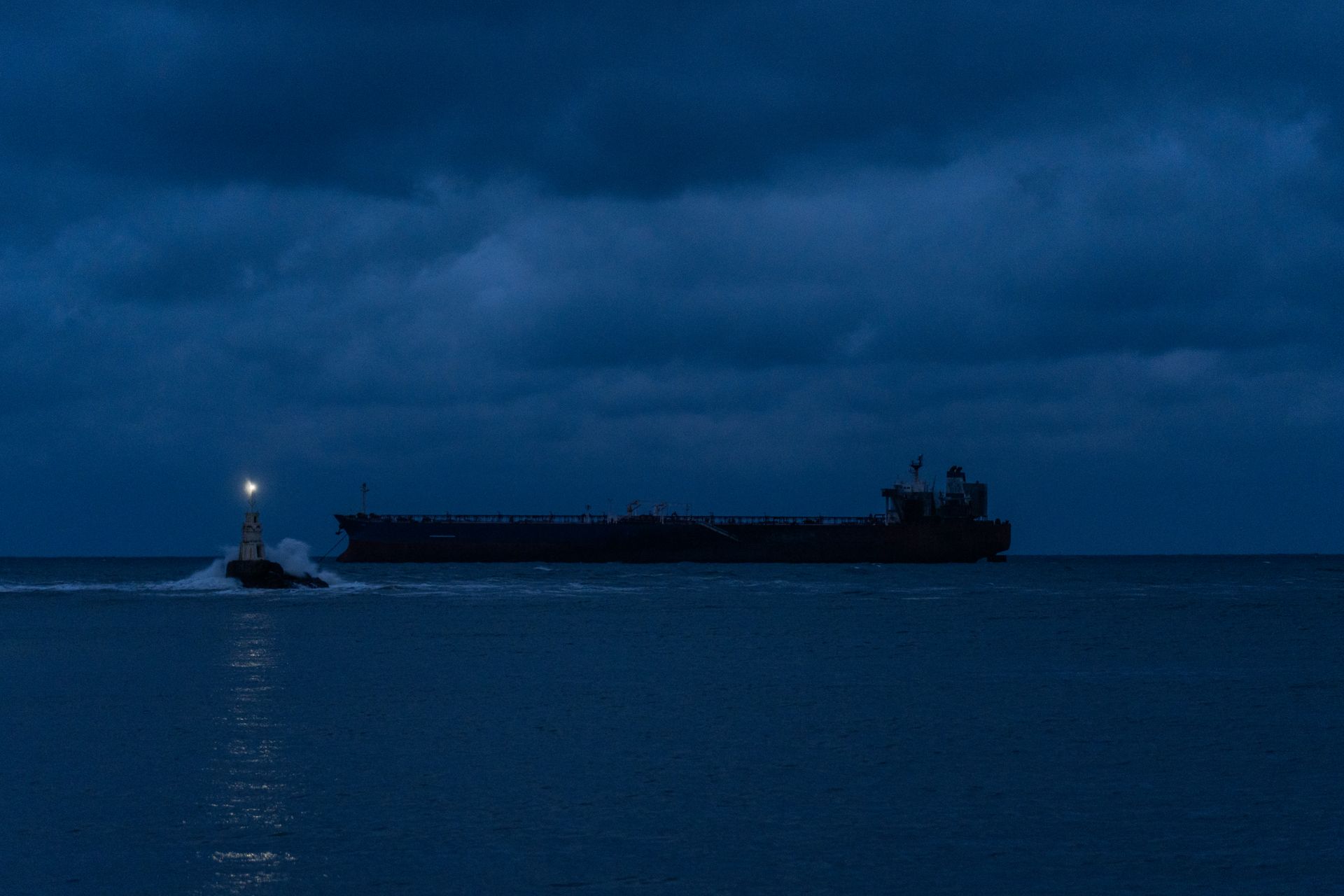
In response, Ukrainian forces conducted a maritime strike later that day, targeting an oil tanker en route to Russia in the Black Sea, according to updates from the Kyiv Independent. The drone attack underscores Ukraine's growing naval drone capabilities, which have disrupted Russian shipping lanes and energy exports since 2022. The Black Sea remains a hotspot for such operations, with Ukraine claiming successes in interdicting vessels supporting Russia's war economy. Details on the tanker's damage or crew status were not immediately confirmed, but the incident adds to a series of Ukrainian strikes on Russian-flagged ships.
Background on Energy Warfare and Maritime Escalation
Russia's campaign against Ukraine's energy infrastructure intensified following its full-scale invasion in February 2022. Over the past three winters, Moscow has systematically targeted thermal power plants, substations, and transmission lines, leading to rolling blackouts nationwide. According to the International Energy Agency, these attacks destroyed or damaged about half of Ukraine's power generation capacity by late 2024, forcing imports of electricity from the European Union and reliance on decentralized solar and backup systems.
The January 8 strikes fit this strategy, particularly as winter peaks increase vulnerability. Southeastern regions like Dnipropetrovsk and Zaporizhzhia, near the front lines, have been repeatedly hit due to their proximity to occupied territories and strategic importance for industry and logistics. Zaporizhzhia hosts Europe's largest nuclear plant, seized by Russian forces in 2022, which has been a flashpoint for shelling and safety concerns monitored by the International Atomic Energy Agency.
On the maritime front, Ukraine's Security Service and Navy have employed uncrewed surface vessels (USVs) to challenge Russia's Black Sea Fleet. Since mid-2023, Kyiv has sunk or damaged over a dozen Russian warships and commercial vessels, including oil tankers that facilitate fuel transfers to support military operations. The January 8 tanker strike, reported around 14:39 GMT, demonstrates continued Ukrainian operational reach despite Russia's efforts to mine coastal waters and relocate its fleet to Crimea and Novorossiysk.
International observers, including the United Nations, have condemned attacks on civilian infrastructure as potential violations of international humanitarian law. European allies have ramped up air defense deliveries, such as Patriot systems, to counter Russian air campaigns, while providing humanitarian aid for winter preparedness.
Outlook Amid Winter Hardships
As of January 8, 2026, power restoration in the affected regions remains uncertain, with officials urging conservation and preparation for prolonged outages. Ukraine's energy minister has appealed for additional Western support, including transformers and generators, to mitigate the damage.
The dual strikes illustrate the war's grinding stalemate: Russia's aerial dominance versus Ukraine's asymmetric innovations. With no ceasefire in sight, analysts anticipate further energy-targeted assaults through the winter, potentially displacing more civilians and straining Ukraine's resilience. Front-line developments in Donetsk and Kharkiv oblasts continue unabated, but the energy crisis poses an immediate threat to morale and sustainability.
The World Now will continue monitoring these events for updates.
(Word count: 682)