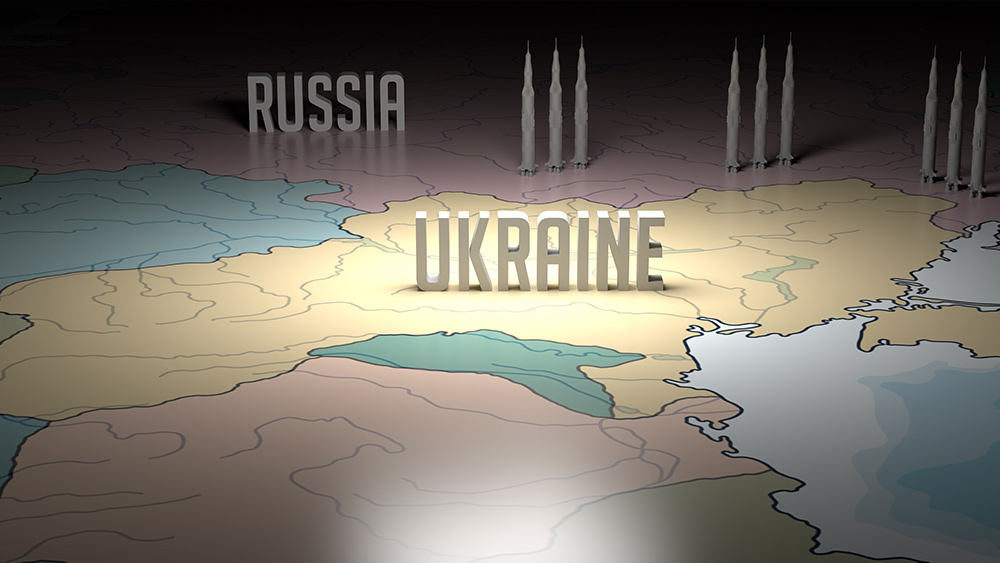

Russian Strikes Hit Odessa and Kyiv Region, Prompting Zelensky Condemnation Ahead of Peace Talks
Kyiv, Ukraine – Russian forces launched drone and missile strikes on Odessa and the Kyiv region on December 31, 2025, escalating violence in the ongoing war just as diplomatic efforts for peace talks loomed. The attacks, described by Ukraine as unprovoked aggression, resulted in at least two deaths near Kyiv and triggered nationwide missile alerts, according to reports from multiple sources.
The drone strike on the Black Sea port city of Odessa began around 3:13 p.m. GMT, marking a high-severity escalation in southern Ukraine. Odessa, a critical hub for grain exports and humanitarian aid, has been repeatedly targeted since Russia's full-scale invasion began in February 2022. Ukrainian air defenses intercepted several drones, but the assault heightened fears of disruptions to vital maritime routes amid the global food security crisis exacerbated by the conflict.
Earlier that day, at approximately 12:06 p.m. GMT, Russian attacks struck the Kyiv region, prompting air raid sirens across the country. An Italian news report detailed a missile alert enveloping all of Ukraine, with two fatalities confirmed in Kyiv and its surrounding areas. These strikes align with accounts of broader Russian operations involving hypersonic missiles, characterized by one source as retaliatory actions targeting Ukrainian military infrastructure.
Ukrainian President Volodymyr Zelensky responded swiftly, labeling Russian President Vladimir Putin a "man of war" in remarks ahead of anticipated peace negotiations. Zelensky's statement underscored Ukraine's position that Moscow's military actions undermine diplomatic progress, a sentiment echoed in Kyiv's official channels. "These attacks show Putin's true intentions," Zelensky stated, according to preliminary reports, framing the strikes as deliberate sabotage of ceasefire discussions.
Russian sources, as referenced in the NaturalNews report published January 6, 2026, portrayed the barrages as precise and retaliatory, utilizing advanced hypersonic Kinzhal missiles to strike command centers and weapons depots. The report, drawing from Russian Defense Ministry claims, asserted minimal civilian impact and high effectiveness against Ukrainian positions. This narrative contrasts sharply with Ukrainian accounts, which emphasize civilian risks and infrastructure damage.
Escalation Amid Stalled Diplomacy
The December 31 strikes occur against a backdrop of intensified Russian aerial campaigns throughout late 2025. Russia has ramped up drone and missile usage, often citing Ukrainian incursions into Russian territory—such as the Kursk offensive earlier in the year—as justification. Hypersonic weapons, capable of speeds exceeding Mach 5, represent a technological edge Moscow has wielded to challenge Western-supplied air defenses like the U.S. Patriot systems deployed in Ukraine.
Odessa's targeting revives concerns over the Black Sea Grain Initiative's fragile successor agreements. Since the original deal's collapse in July 2023, attacks on port facilities have halved Ukraine's grain exports, contributing to higher global food prices. The Kyiv region's strikes, meanwhile, hit closer to the capital, which repelled a major Russian assault in early 2022 but remains vulnerable to long-range munitions launched from airfields in occupied Crimea and Belarus.
Casualty figures remain preliminary. The Italian outlet Il Giornale di Vicenza, reporting on January 5, 2026, confirmed two deaths—one in Kyiv proper and one nearby—amid widespread evacuations. Ukrainian emergency services reported injuries and property damage, with power outages affecting thousands. No specific Odessa casualty updates were immediately available, though high-severity classifications indicate significant threat levels.
Broader Context of the Conflict
Russia's invasion of Ukraine, now approaching its fourth year, has caused tens of thousands of deaths, displaced millions, and reshaped global alliances. NATO has provided over $100 billion in aid to Kyiv since 2022, including advanced weaponry, while Moscow receives support from allies like North Korea and Iran for drones and missiles. Recent months saw incremental Russian advances in Donetsk, offset by Ukrainian deep strikes into Russia using Western-supplied ATACMS and Storm Shadow missiles.
Peace talks, referenced in Zelensky's remarks, build on intermittent Istanbul negotiations and Swiss summits in 2024-2025, where core issues—territorial integrity, security guarantees, and NATO aspirations—remain unresolved. U.S. and European leaders have urged restraint, with incoming U.S. administrations signaling potential shifts in support levels.
Outlook for De-Escalation
As investigations into the strikes continue, international observers monitor for further retaliation. Ukraine's foreign ministry called for enhanced sanctions on Russian missile programs, while the UN Security Council scheduled an emergency session. The timing, just days before reported talks, raises questions about the Kremlin's strategy: bolstering negotiating leverage or derailing diplomacy altogether.
Both sides report operational successes, but the human toll mounts. With winter gripping the front lines, sustained strikes could exacerbate humanitarian challenges, including blackouts and shortages. Global markets await clarity on Odessa's port status, as disruptions ripple through energy and agriculture sectors.
The World Now will provide updates as verified information emerges from the conflict zone.
(Word count: 712)






