
Russian Military Push in Eastern Ukraine Stalls Peace Talks Over Territorial and Nuclear Disputes
Kyiv, Ukraine – Negotiations for a Russia-Ukraine peace deal, which began faltering as of December 31, 2025, are encountering major hurdles centered on unresolved territorial disputes and the status of a Russian-occupied nuclear power plant, even as Russian forces intensify efforts to broaden combat operations along Ukraine's northern border regions.
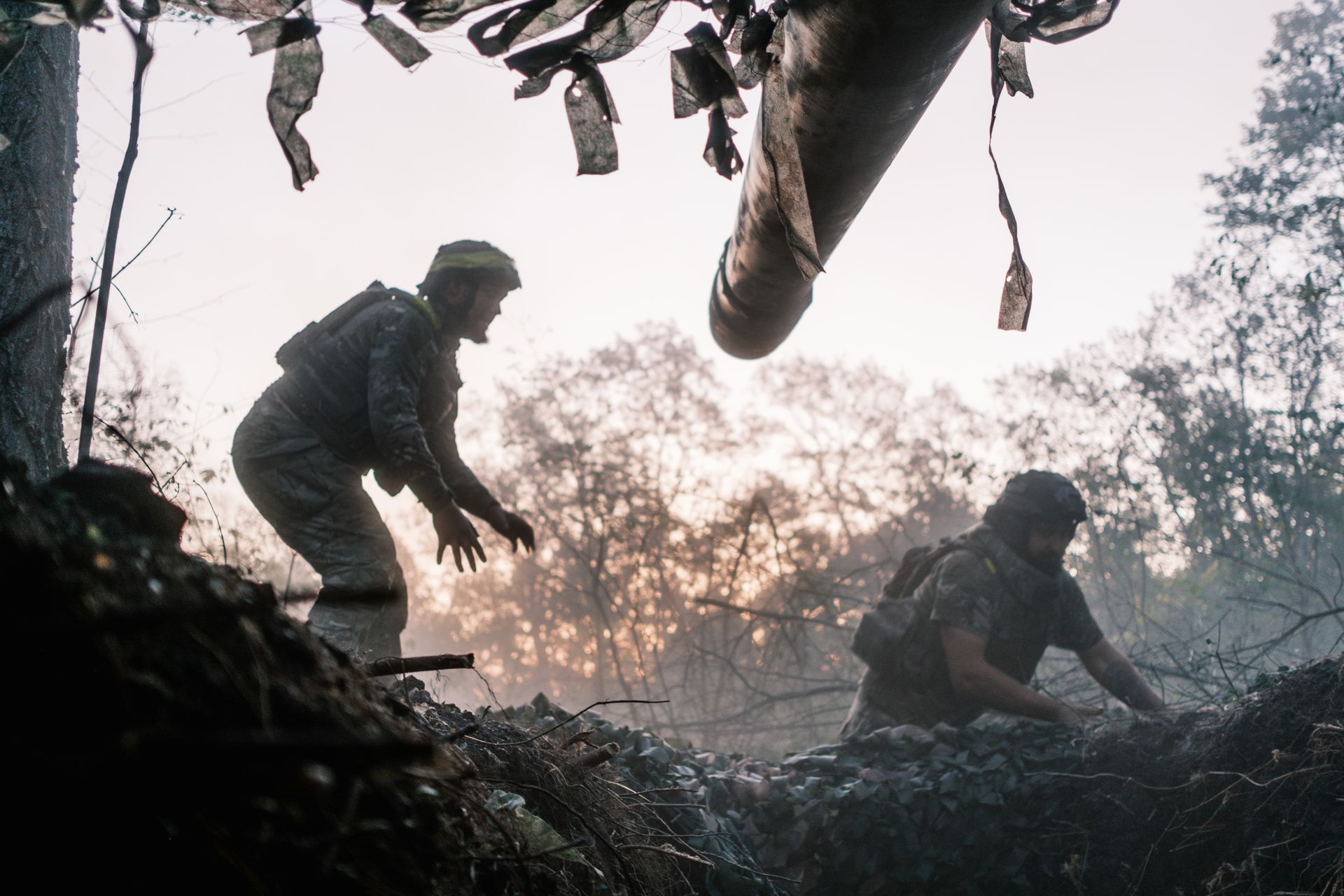
According to Ukraine's State Border Guard Service, Russian troops are actively attempting to expand the combat zone in Sumy and Kharkiv oblasts, signaling a potential escalation in these frontline areas. This development, reported on January 5, 2026, by the Kyiv Independent, underscores the fragility of ongoing diplomatic efforts amid continued military maneuvering. The high-severity challenges in peace talks highlight deep divisions over control of annexed territories and critical infrastructure, complicating prospects for a ceasefire.
The Border Guard Service's update comes amid a broader pattern of Russian incursions along Ukraine's northeastern frontier. Sumy and Kharkiv oblasts have been flashpoints since Russia's full-scale invasion in February 2022. Russian forces briefly occupied parts of Kharkiv during the initial 2022 offensive but were pushed back in a major Ukrainian counteroffensive that September. More recently, in May 2024, Russia launched a limited incursion into Kharkiv, capturing villages near the border before stalling under Ukrainian defenses bolstered by Western aid. Sumy, closer to Russia's Kursk region, has seen cross-border raids and artillery strikes, with Ukrainian officials reporting over 4,000 shellings in the oblast in late 2024 alone.
These latest attempts to widen the combat zone align with Russia's strategy of maintaining pressure on multiple fronts to stretch Ukrainian resources. While specific details on troop movements or casualties from the January 5 report remain limited, the Border Guard Service emphasized defensive measures to counter the expansion. Ukrainian military analysts have noted that such probes often precede larger assaults, particularly as winter conditions ease.
Parallel to these battlefield developments, peace negotiations initiated around late December 2025 are bogged down by core sticking points. Territorial disputes remain central, with Russia insisting on recognition of its 2022 annexations of Donetsk, Luhansk, Kherson, and Zaporizhzhia oblasts—claims Ukraine and most of the international community reject as illegal under international law. Ukraine demands full restoration of its 1991 borders, including Crimea, annexed by Russia in 2014.
A particularly contentious issue is the Zaporizhzhia Nuclear Power Plant (ZNPP), Europe's largest, which Russian forces seized in March 2022 amid fierce fighting. The International Atomic Energy Agency (IAEA) has repeatedly warned of risks at the facility, including potential radiation leaks from shelling or power disruptions. Occupied by Russian troops and militarized, the plant has been a focal point for demilitarization demands in prior talks. Recent negotiation breakdowns, rated as high severity, stem from disagreements over its future status—Russia views it as integral to its annexed territory, while Ukraine seeks full control and IAEA-monitored neutrality.
Background on the Conflict
Russia's invasion of Ukraine, launched on February 24, 2022, followed eight years of lower-intensity conflict in Donbas after the 2014 annexation of Crimea. What began as a bid to topple Kyiv's government evolved into a protracted war of attrition, with Russia controlling roughly 20% of Ukrainian territory as of early 2026. Western sanctions, military aid exceeding $100 billion from NATO allies, and Ukrainian resilience have prevented a Russian victory, but frontline stalemates persist.
Peace efforts have waxed and waned. Early 2022 Istanbul talks collapsed over security guarantees and neutrality clauses. Subsequent proposals, including a 2022 framework reportedly involving then-U.S. President-elect discussions, fizzled. By late 2025, renewed diplomatic channels—possibly influenced by U.S. political shifts post-2024 election—aimed for de-escalation but foundered on irreconcilable red lines. Russian President Vladimir Putin has conditioned talks on Ukraine's demilitarization and territorial concessions, while Ukrainian President Volodymyr Zelenskyy insists on NATO pathways and justice for war crimes.
The IAEA's ongoing presence at ZNPP, extended through 2025, has mitigated immediate nuclear risks but not resolved ownership disputes. A 2024 drone attack attributed to Ukraine damaged plant infrastructure, prompting Russian accusations and mutual recriminations.
Current Dynamics and Outlook
The convergence of Russian border expansions and stalled talks risks broader escalation. Ukrainian forces, facing manpower shortages and delayed U.S. aid packages in late 2025, are prioritizing defenses in Donetsk while monitoring northern threats. Russian logistics, strained by losses estimated at over 700,000 personnel by Western tallies, rely on incremental gains.
International mediators, including Turkey and potentially China, have urged restraint. U.S. and EU officials emphasize that any deal must uphold Ukraine's sovereignty. As of January 5, 2026, no breakthroughs are reported, with military actions likely to prolong the impasse.
The situation remains fluid, with Ukraine's Border Guard Service vowing to repel incursions. Analysts caution that without progress on territorial and nuclear issues, the conflict—now approaching its fourth year—could see intensified fighting in spring 2026, testing the resolve of both sides and their backers.
(Word count: 712)






