Russian Drones Strike Odesa as Ukraine Launches Assault on Russian Convoy Amid Escalating Conflict
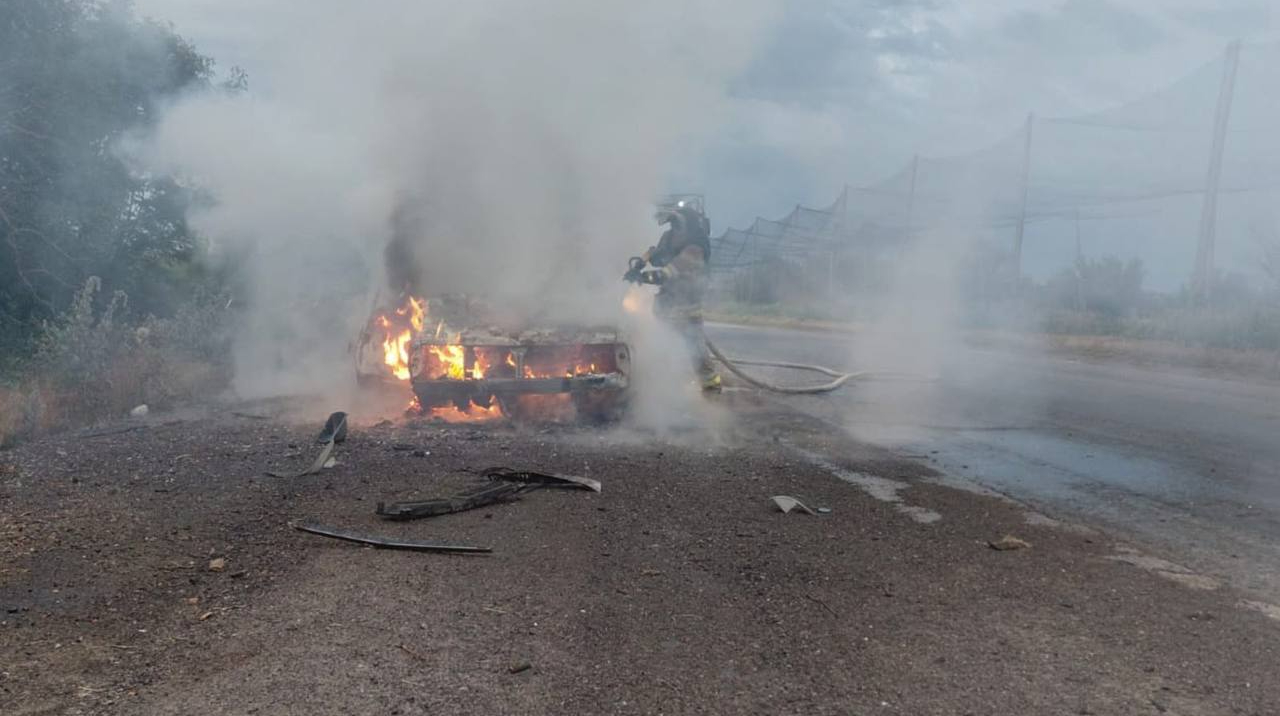
Kyiv/Odesa, Ukraine – Russian drone strikes targeted the southern Ukrainian port city of Odesa on December 31, 2025, marking a high-severity escalation in the ongoing Russia-Ukraine war. The attack, which began at 15:13 GMT, underscores the intensifying use of unmanned aerial vehicles in the conflict. In a related development, Ukrainian forces initiated a new offensive against a Russian convoy, as reported on January 7, 2026, highlighting the tit-for-tat nature of recent military engagements.
The Russian drone assault on Odesa represents a continuation of Moscow's strategy to disrupt Ukraine's Black Sea infrastructure and logistics hubs. Odesa, a critical Black Sea port vital for grain exports and humanitarian aid corridors, has been repeatedly targeted since the early stages of the full-scale invasion. The strike's high severity classification points to significant potential impacts on civilian and military infrastructure, though specific casualty figures and damage assessments remain unconfirmed from available reports. This incident occurred amid winter conditions, which often complicate drone operations but have not deterred their deployment.
Just days later, reports emerged of Ukraine mounting a fresh attack on a Russian convoy, signaling Kyiv's proactive countermeasures. According to coverage from t-online.de, sourced via GDELT monitoring, the operation was described as a "new attack" (neue Attacke), targeting Russian logistical lines deep within contested areas. Such Ukrainian strikes on convoys have become a hallmark of asymmetric warfare, employing artillery, drones, and precision-guided munitions to degrade Russian supply chains. This event, published on January 7, 2026, at 10:00 UTC, reflects ongoing Ukrainian efforts to reclaim initiative following months of attritional fighting.
Context of Recent Strikes
The reciprocal strikes occur against the backdrop of a protracted conflict that entered its fourth year in February 2026. Russia's full-scale invasion, launched on February 24, 2022, initially aimed at swift regime change in Kyiv but evolved into a grinding war of attrition focused on eastern and southern Ukraine. Odesa has endured over 30 major aerial attacks since 2022, including missile barrages on its port facilities that disrupted the Black Sea Grain Initiative—a UN-brokered deal that facilitated 33 million metric tons of Ukrainian grain exports until its collapse in July 2023.
Drones have emerged as a decisive factor in the war. Russia has deployed Iranian-designed Shahed-136 "kamikaze" drones, modified for longer-range strikes, logging thousands of sorties. Ukraine, bolstered by Western aid, counters with systems like the Bayraktar TB2 and domestically produced models, while also striking Russian assets across borders. The December 31 Odesa attack aligns with patterns of intensified Russian drone campaigns during holiday periods, possibly to exploit perceived lulls in air defenses.
Ukraine's convoy attack fits into a series of cross-border and frontline operations. Russian convoys, often vulnerable during movements in Donetsk and Kharkiv oblasts, have faced ambushes since the war's outset. Notable precedents include the 2022 Javelin missile strikes near Kyiv and more recent HIMARS-guided attacks that destroyed bridges and ammunition depots. These actions aim to isolate Russian forward positions and force resource reallocations.
International observers note the strikes' implications for global food security and energy markets. Odesa's port handles 40% of Ukraine's pre-war exports, and disruptions exacerbate inflation pressures worldwide. NATO allies, including the U.S. and UK, have pledged additional air defense systems like Patriot batteries to shield such hubs, while condemning Russian tactics as indiscriminate.
Broader Background
The Russia-Ukraine war stems from deep geopolitical tensions, including Russia's 2014 annexation of Crimea and support for separatists in Donbas. Western sanctions have crippled Russia's economy, prompting reliance on drone imports from Iran and North Korea. Ukraine, with $100 billion-plus in military aid from the West, has rebuilt its forces into one of Europe's largest armies.
Ceasefire talks remain stalled. Russian President Vladimir Putin has demanded territorial concessions, while Ukrainian President Volodymyr Zelenskyy insists on full withdrawal and reparations. Winter fighting, historically a slowdown period, has instead seen drone proliferation, with both sides producing over 1 million units annually by late 2025 estimates.
Outlook
These strikes signal no immediate de-escalation. Analysts anticipate further drone and missile exchanges, particularly as Ukraine integrates F-16 fighters donated by NATO allies. Casualty tolls exceed 1 million combined, per UN figures, with millions displaced. Diplomatic channels, including potential U.S.-led negotiations under a new administration, offer faint hope, but battlefield momentum will likely dictate near-term developments.
As the conflict persists into 2026, Odesa and frontline logistics remain flashpoints, testing the resilience of Ukraine's defenses and Russia's sustainment capabilities.
(Word count: 682)