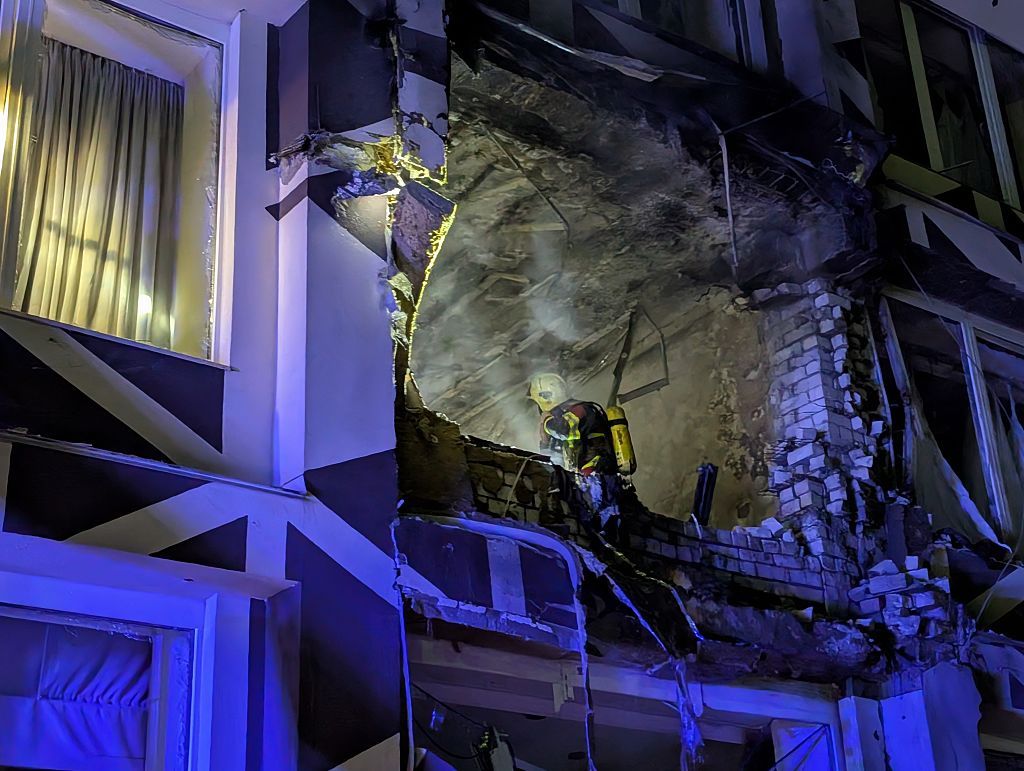

Russia Launches Mass Attack on Kyiv and Lviv, Signaling Escalation in Ukraine Conflict
Kyiv, Ukraine – Russia conducted a large-scale aerial assault on Ukraine's capital Kyiv and the western city of Lviv late Thursday, marking a significant intensification of military operations amid the ongoing war. The attack, reported as one of the most widespread in recent months, targeted key urban centers and prompted nationwide air raid alerts.
The mass strike began around 23:09 GMT on January 8, 2026, according to initial reports from Ukrainian media outlets. Described as a high-severity operation, it involved multiple vectors of attack, underscoring Russia's strategy of striking both frontline-proximate areas and rear regions far from the active combat zones. Kyiv, home to over 2.8 million people and the political heart of Ukraine, along with Lviv, a major cultural and logistical hub in the west, were directly in the crosshairs. This dual targeting highlights an apparent effort to disrupt civilian life, infrastructure, and morale across a broad geographic span.
Details emerging from the scene indicate the use of a combination of missiles and drones, consistent with Russia's established tactics in the conflict. Ukrainian air defenses were activated immediately, with explosions reported throughout the night in both cities. While specific casualty figures and damage assessments remain preliminary, the assault triggered emergency responses, including evacuations and power outages in affected districts. The Kyiv Independent, citing local authorities and eyewitness accounts, confirmed the strikes' scope, noting air raid sirens blaring across much of the country.
Escalation Amid Stalemated Frontlines
This attack comes at a critical juncture in the Russia-Ukraine war, now approaching its fourth year since Moscow's full-scale invasion on February 24, 2022. Russia has increasingly relied on long-range strikes to compensate for grinding advances on the eastern and southern frontlines, where Ukrainian forces have mounted resilient defenses bolstered by Western aid. Lviv, located over 500 kilometers from the nearest Russian positions, has been hit sporadically before, often in retaliation for Ukrainian incursions into Russian territory or to strain energy grids ahead of winter.
The choice of targets evokes memories of previous mass barrages, such as those in late 2022 and throughout 2023, which damaged Ukraine's power infrastructure and left millions without electricity during harsh winters. Kyiv has faced repeated assaults, including a devastating strike on October 10, 2022, that killed over 20 civilians. Lviv, relatively spared early in the war due to its distance, has seen intensified attacks since mid-2023, with strikes on rail depots and industrial sites underscoring Russia's aim to sever supply lines for Western weapons.
Ukrainian officials have framed these actions as terroristic, aimed at civilian populations. Air force spokesperson Yuriy Ihnat previously described similar waves as "escalatory," involving up to 100 projectiles in coordinated volleys. International observers, including the Institute for the Study of War (ISW), have noted that such strikes correlate with Russian territorial gains or diplomatic pressures, though no immediate trigger was specified for Thursday's events.
Background: A War of Attrition
The conflict originated from Russia's annexation of Crimea in 2014 and escalated dramatically in 2022 with a multi-pronged invasion. What began as a predicted quick victory for Moscow devolved into a protracted war of attrition, with Ukraine reclaiming significant territory in Kharkiv and Kherson oblasts in late 2022 counteroffensives. By 2025, the frontlines had stabilized around key Donbas cities like Pokrovsk and Vuhledar, with Russia controlling approximately 18% of Ukrainian territory.
Western support, totaling over $200 billion in military and humanitarian aid from the U.S., EU, and allies, has included advanced systems like Patriot air defenses, which have intercepted thousands of incoming threats. Russia, meanwhile, has ramped up domestic drone production—primarily Iranian-designed Shahed models—and missile salvos from land, sea, and air platforms. The United Nations has documented over 10,000 civilian deaths since 2022, with aerial campaigns responsible for a disproportionate share.
Thursday's strikes align with a pattern of intensified bombardment during winter months, when reduced daylight hampers Ukrainian drone operations and civilian movement is limited. NATO Secretary General Jens Stoltenberg recently warned of Russia's growing arsenal, estimated at over 4,000 missiles stockpiled for sustained campaigns.
International Response and Outlook
Ukraine's President Volodymyr Zelenskyy has called for accelerated air defense deliveries from partners, emphasizing the need for F-16 jets and additional Patriots. The European Union and United States condemned the attack in initial statements, with EU foreign policy chief Josep Borrell labeling it "indiscriminate aggression." Russia’s Defense Ministry has not yet commented, but past patterns suggest claims of targeting only military objectives.
As assessments continue, the strikes risk further straining Ukraine's grid, already vulnerable after two winters of attrition. With peace talks stalled and U.S. elections influencing aid flows, this escalation could prompt renewed diplomatic pushes or heightened sanctions. Ukrainian resilience, evidenced by interception rates exceeding 80% in recent barrages, will be tested anew, while the global community watches for ripples in energy markets and food security.
The full impact remains unfolding, with rescuers sifting through debris and analysts poring over satellite imagery. This mass attack serves as a stark reminder of the war's enduring ferocity, far from resolution.
(Word count: 712)






