
Russia Launches Mass Attack on Kyiv and Lviv, Injuring Four in Latest Escalation
Kyiv, Ukraine — Russia conducted a mass attack targeting Ukraine's capital Kyiv and the western city of Lviv on Thursday evening, injuring at least four people and signaling a potential intensification of aerial assaults amid the ongoing full-scale invasion.
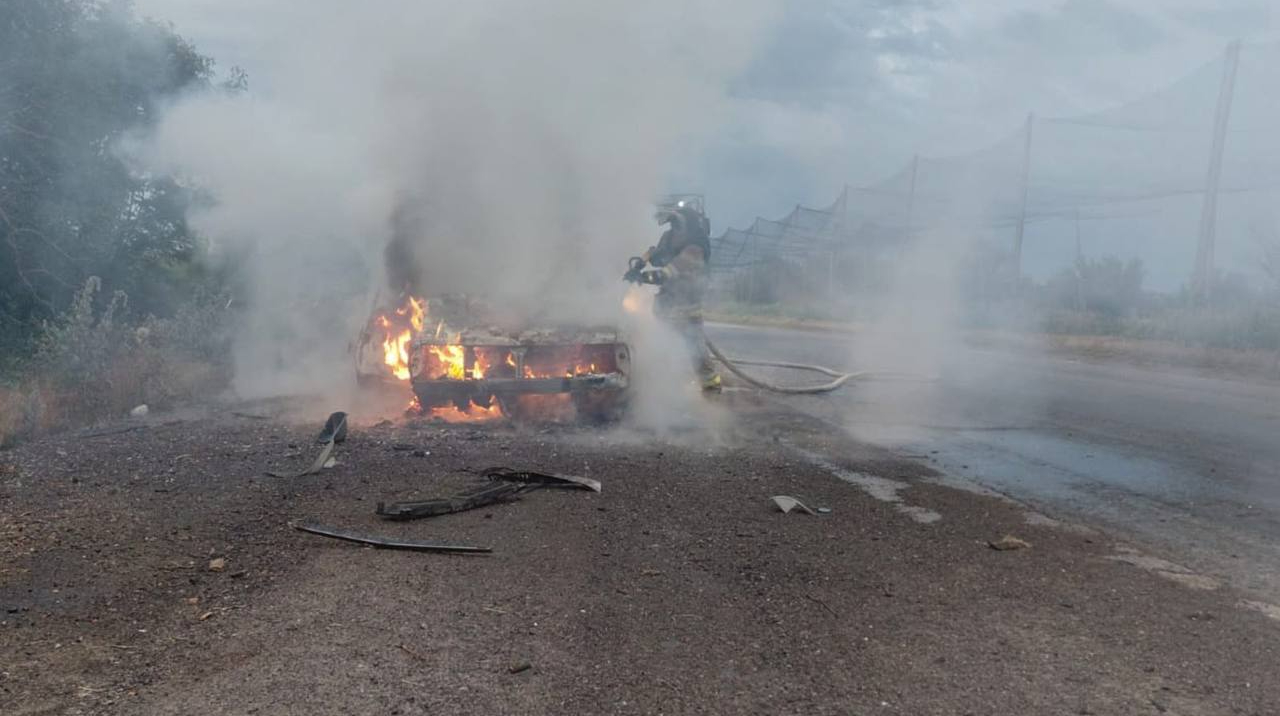
The strikes began around 23:09 GMT on January 8, 2026, as reported by Ukrainian sources. Initial alerts highlighted the targeting of multiple locations across the country, with Kyiv and Lviv — located over 500 kilometers apart — bearing the brunt of the assault. By 23:39 GMT, updates confirmed four injuries, though further details on the nature of the weapons used, specific targets, or additional casualties remain limited in early reports.
This incident marks a notable development in Russia's pattern of long-range strikes, which have frequently aimed at disrupting Ukrainian infrastructure, energy facilities, and urban centers. Air raid sirens echoed through Kyiv, home to over 2.8 million residents, and Lviv, a key logistical hub in western Ukraine, prompting millions to seek shelter. Ukrainian air defenses were activated, but the scale of the "mass attack" underscores the challenges faced by Kyiv's forces in intercepting coordinated barrages.
Details of the Assault
According to reports from the Kyiv Independent, the attack unfolded rapidly, with the first article published at the exact onset of the event and a follow-up confirming injuries shortly after. The dual targeting of Kyiv in central Ukraine and Lviv in the northwest highlights Russia's capability to strike deep into Ukrainian territory, far from the eastern and southern frontlines where ground fighting predominates.
While specifics on munitions — such as whether the assault involved ballistic missiles, cruise missiles, Shahed drones, or a combination — have not been detailed in available sources, such mass attacks have historically involved mixed salvos to overwhelm defenses. Lviv, often spared direct hits due to its distance from the border, has increasingly become a target since late 2022, with strikes aimed at rail infrastructure and military aid depots supporting frontline operations.
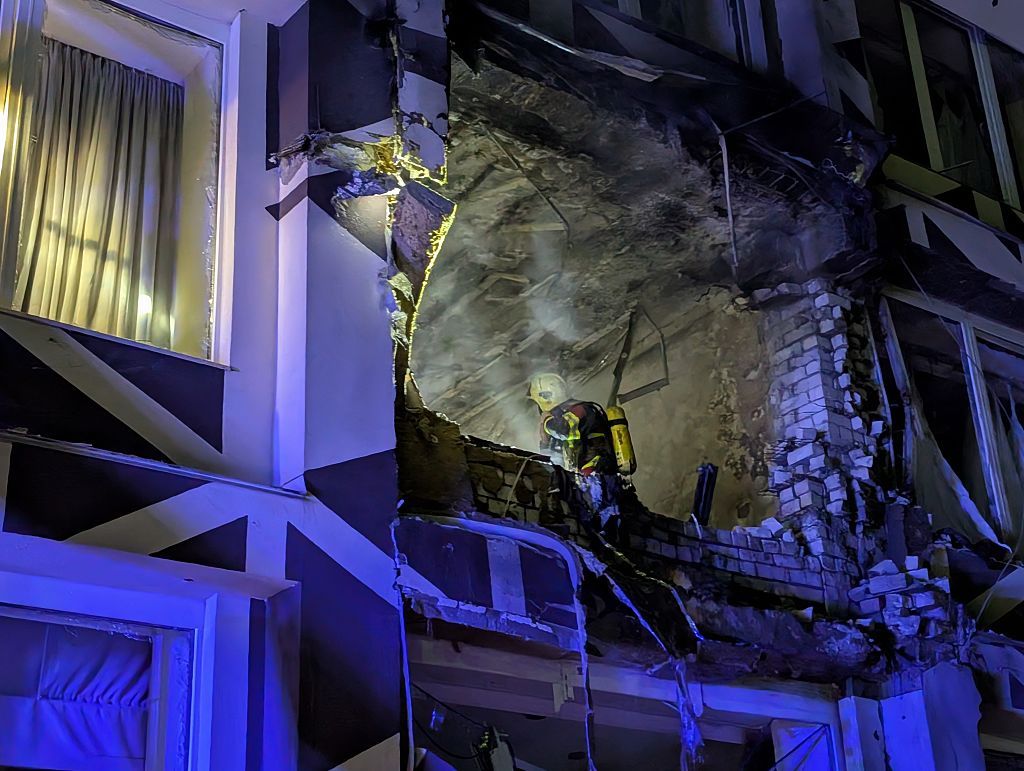
The four reported injuries represent the immediate human toll, though the full extent of damage to buildings, power grids, or other critical infrastructure is still emerging. Ukrainian authorities typically provide post-strike assessments via the Air Force and regional administrations, but as of the latest updates, no fatalities have been confirmed.
Broader Context of the Conflict
Russia's invasion of Ukraine, launched on February 24, 2022, has entered its fourth year, evolving from initial blitzkrieg attempts on Kyiv to a protracted war of attrition focused on eastern regions like Donetsk and Kharkiv. Aerial campaigns have been a cornerstone of Moscow's strategy, with over 10,000 missiles and drones launched at Ukraine since the war's start, according to Ukrainian military estimates verified by Western intelligence.
Kyiv has faced repeated barrages, particularly during winter months when Russia seeks to cripple heating and electricity supplies. Notable precedents include the December 2024 "energy war" strikes that left millions without power and the massive assault on December 29, 2023, involving over 150 missiles and drones — the largest single attack to that point. Lviv's inclusion in this latest strike is significant; the city has hosted international aid coordination and serves as a rear base for Western-supplied weapons transiting to the front.
These operations align with Russia's stated goals of demilitarizing Ukraine and securing annexed territories, though they have drawn international condemnation for violating civilian protections under the Geneva Conventions. Ukraine, bolstered by Patriot and NASAMS systems from NATO allies, has downed up to 80% of incoming threats in recent volleys, per official tallies. However, the sheer volume of attacks continues to strain resources.
The timing of this mass attack coincides with stalled peace talks and ongoing debates in Western capitals over military aid packages. U.S. President-elect Donald Trump's incoming administration, set to take office in January 2027, has signaled potential shifts in support, while European nations like Germany and Poland have ramped up deliveries of air defense munitions.
Background on Russian Strike Campaigns
Russia's use of mass strikes escalated dramatically after Ukraine's incursion into Kursk Oblast in August 2024, which prompted vows of retaliation from the Kremlin. Patterns show attacks peaking on Fridays or weekends to maximize disruption, often combining hypersonic Kinzhal missiles with cheaper Iranian-designed drones.
Lviv's strategic value lies in its role as a gateway for humanitarian and military aid from Poland, just 70 kilometers away. Previous strikes there, such as the April 2024 university dormitory hit that killed nine, illustrate the risks to civilian areas. Kyiv, meanwhile, endures near-weekly alerts, with metro stations doubling as shelters.
International monitors, including the UN and OSCE, have documented over 30,000 civilian casualties since 2022, with aerial attacks contributing significantly. Russia's Defense Ministry routinely claims strikes target only military objectives, a narrative disputed by satellite imagery from firms like Maxar showing widespread infrastructure damage.
Outlook and Implications
As emergency services assess the damage in Kyiv and Lviv, Ukrainian President Volodymyr Zelenskyy is likely to address the nation, as is customary after major incidents. The attack's severity — rated high by event trackers — could prompt calls for accelerated Western arms deliveries, including additional F-16 jets pledged by NATO members.
While no immediate ground escalations have been reported, this incident reinforces the war's attritional nature, where air superiority remains elusive for both sides. Sustained mass attacks risk further alienating global opinion ahead of key summits, such as the NATO summit in The Hague scheduled for June 2026.
For residents, the cycle of alerts and impacts persists, testing Ukraine's resilience. Updates from official channels are expected as the night progresses, with potential for further strikes in the coming hours.
(Word count: 748)