
Russia Launches Large-Scale Missile and Drone Strikes on Kyiv and Lviv, Killing at Least Four
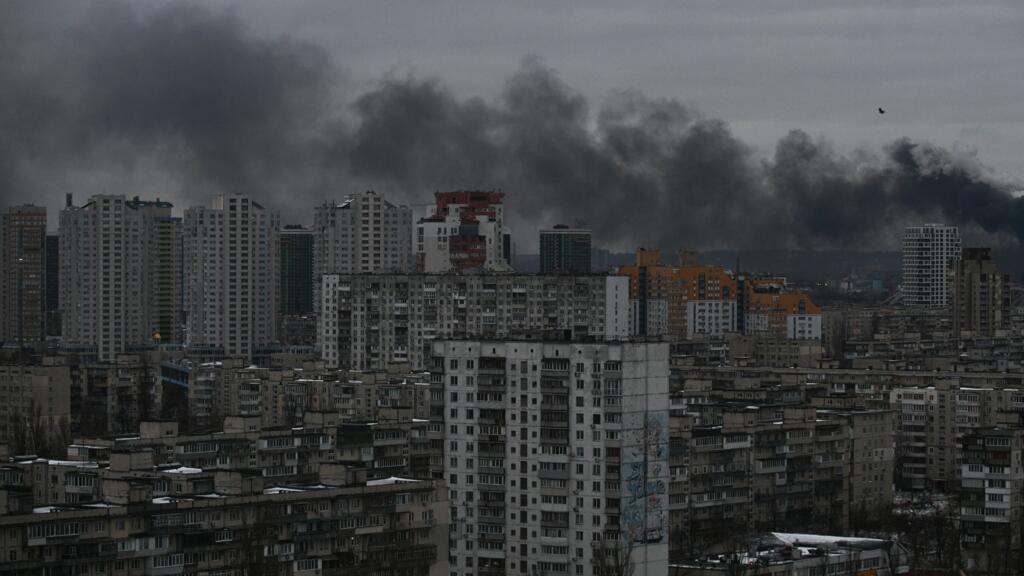
Kyiv, Ukraine — Russia conducted a major aerial assault on Ukraine overnight into Friday, January 9, 2026, targeting the capital Kyiv and the western city of Lviv with drones, missiles, and at least one hypersonic ballistic missile. The strikes killed between three and four people in Kyiv, injured at least 10 to 16 others, and set apartment buildings ablaze, according to Ukrainian authorities. The attacks came hours after Moscow rejected a proposed post-war peacekeeping plan involving European troops.
The barrage began late Thursday, January 8, around 23:09 GMT, with Ukraine's Air Force issuing alerts that the entire country was under missile threat. In Kyiv, explosions rocked residential areas, prompting Kyiv Mayor Vitali Klitschko to report fires in multiple apartment buildings and confirm at least four deaths early Friday. "Russia launched a large-scale attack on Ukraine’s capital, setting apartment buildings ablaze and killing at least four people," Klitschko stated, as cited by France 24.
Casualty figures varied slightly across reports: CNN and Anadolu Agency corroborated the four deaths in Kyiv with 10 injuries, while AP News and Newsmax reported three fatalities and at least 16 wounded. Ukrainian officials emphasized the intensity of the assault, which combined drones and missiles. CNN specified the use of a hypersonic ballistic missile, underscoring the advanced weaponry deployed.
The strikes extended beyond Kyiv to Lviv, a key hub in western Ukraine approximately 500 kilometers from the front lines. Newsmax reported that Russia targeted critical infrastructure there with an unidentified ballistic missile, highlighting the broadening geographic scope of the attack. No immediate casualty details emerged from Lviv, but the strike on infrastructure raised concerns about disruptions to energy and transportation networks, which have been frequent targets in Russia's campaign.
Escalation Amid Diplomatic Stalemate
The timing of the assault amplified its significance, occurring shortly after Russia rejected a peacekeeping proposal agreed upon by Ukraine and its Western allies. Under the plan, European troops would deploy to Ukraine following any ceasefire, as the war approaches its fourth anniversary in February 2026. France 24 and GDELT noted Moscow's dismissal of the initiative, framing the strikes as a direct response that signals reluctance for de-escalation.
This incident fits into a pattern of intensified Russian aerial campaigns. Since the full-scale invasion began on February 24, 2022, Russia has repeatedly used long-range missiles and drones to target Ukrainian cities, often in waves designed to overwhelm air defenses. Hypersonic missiles, capable of speeds exceeding Mach 5, represent a technological edge, complicating interception efforts by systems like the U.S.-provided Patriot.
Ukraine's military has intercepted many incoming threats but acknowledged strains on resources. The Air Force's nationwide alert underscored the pervasive risk, with civilians urged to seek shelter amid air raid sirens echoing across major cities.
Background on the Russia-Ukraine Conflict
Russia's invasion, initially justified by Moscow as a "special military operation" to "denazify" Ukraine, has evolved into a protracted war of attrition. Entering its fourth year, the conflict has caused tens of thousands of deaths, displaced millions, and reshaped global security dynamics. Western nations have provided over $100 billion in military aid to Kyiv, including advanced air defenses, while Russia has adapted by increasing domestic production of missiles and drones, often sourced from allies like Iran and North Korea.
Peace initiatives have repeatedly faltered. Earlier talks in 2022 collapsed, and recent proposals for peacekeeping forces reflect growing fatigue among Ukraine's supporters. The European troop deployment idea, discussed this week, aims to guarantee any truce without direct NATO involvement, a red line for Russia.
Outlook and Immediate Aftermath
As dawn broke in Kyiv on Friday, emergency crews continued extinguishing fires and clearing debris from strike sites. Ukrainian President Volodymyr Zelenskyy has yet to issue a formal statement on the attacks, but officials vowed resilience. Russia provided no immediate comment on the operation, consistent with its policy of not confirming specific strikes.
The assault risks further straining Ukraine's power grid, already battered by previous winters of Russian targeting. With winter temperatures plunging, any infrastructure damage could exacerbate humanitarian challenges. International observers warn that such escalations complicate diplomatic paths, potentially prolonging the conflict into 2026.
This event underscores the fragile state of ceasefire prospects, as both sides dig in amid rejected peace overtures and unrelenting battlefield pressure.
(Word count: 682)






