
Russia Deploys New Hypersonic Oreshnik Missile in Major Strike on Ukraine, Triggering Blackouts Across Southeast
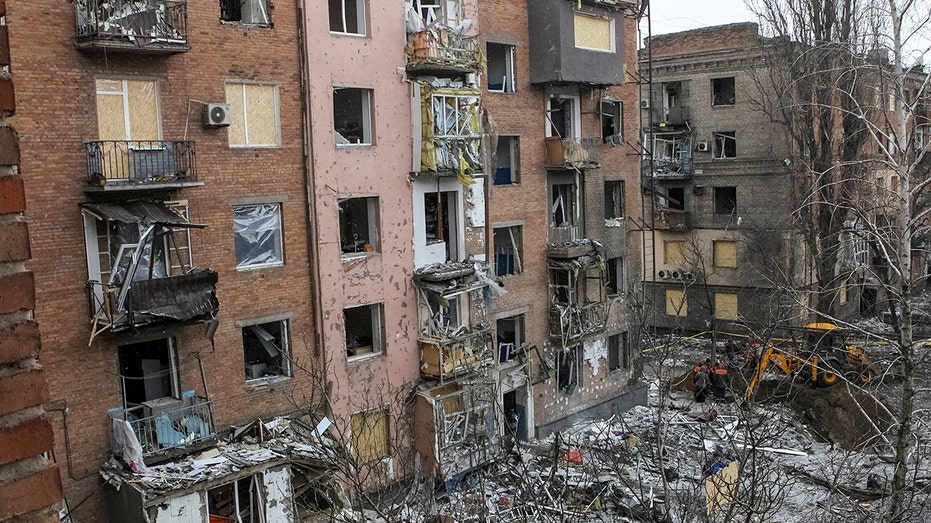
Kyiv, Ukraine — Russian forces launched a significant missile assault on Ukraine, including the first reported use of the advanced hypersonic Oreshnik missile, leading to widespread blackouts in the southeastern regions of Dnipropetrovsk and Zaporizhzhia oblasts. Ukrainian officials reported near-total power loss in affected areas starting January 8, 2026, amid escalating aerial attacks that the Kremlin described as retaliation for an alleged strike on one of President Vladimir Putin's residences.
The strikes began on Thursday, January 8, at approximately 07:39 GMT, targeting critical infrastructure and causing high-severity disruptions. Power outages plunged large swaths of the Dnipropetrovsk and Zaporizhzhia regions into darkness, with local authorities confirming almost complete electrical grid failures. These areas, key industrial and frontline zones in eastern Ukraine, have been frequent targets in the ongoing conflict, exacerbating challenges for civilians during the winter months.
According to reports from Fox News, the assault marked the debut combat deployment of Russia's Oreshnik hypersonic missile, fired as part of a "massive Ukraine attack." The Kremlin framed the operation as a direct response to what it claimed was a Ukrainian drone attack on Putin's residence, an incident denied by both Ukrainian and U.S. officials. A separate report from Brazil's Diario de Pernambuco highlighted the missile's nuclear-capable design, underscoring its advanced capabilities and the heightened stakes of the escalation.
The Oreshnik, an intermediate-range ballistic missile (IRBM) with hypersonic glide vehicles, represents a technological leap for Russian forces. First tested publicly in late 2024, it can reach speeds exceeding Mach 10 and is designed to evade modern air defenses. Its deployment aligns with Russia's pattern of introducing new weaponry to maintain pressure on Ukrainian defenses, which have relied heavily on Western-supplied systems like Patriot missiles to intercept incoming threats.
Ukrainian energy infrastructure has been a primary focus of Russian strikes since the full-scale invasion began in February 2022. Previous campaigns in late 2022 and winter 2023-2024 damaged or destroyed around half of Ukraine's power generation capacity, leading to rolling blackouts nationwide. International energy agencies, including the International Energy Agency (IEA), have documented over 50 major attacks on the grid in the past year alone, with repairs often hampered by ongoing hostilities and sanctions limiting spare parts. The latest blackouts in Dnipropetrovsk and Zaporizhzhia—home to major power plants and the contested Zaporizhzhia Nuclear Power Plant under Russian control—threaten to compound these vulnerabilities, potentially affecting millions and straining emergency services.
Background on the Escalation
The Russia-Ukraine war, now in its fourth year, has seen intensified missile and drone barrages from both sides. Russia has conducted over 1,000 long-range strikes monthly in recent periods, per Ukrainian Air Force data, often timed for maximum civilian impact. Ukraine, in turn, has ramped up incursions into Russian territory, including drone operations deep behind lines, which Moscow cites as provocations.
The alleged attack on Putin's residence adds a personal dimension to the Kremlin’s narrative. While specifics remain unverified, it echoes prior unconfirmed claims of Ukrainian sabotage operations against high-value Russian targets. U.S. and Ukrainian denials reflect a broader diplomatic stance, with Washington providing over $60 billion in military aid since 2022 to bolster Kyiv's defenses against such asymmetric threats.
International monitors, including the United Nations and the European Union, have condemned Russia's targeting of civilian infrastructure as potential violations of international humanitarian law. The EU has responded with additional sanctions on Russian missile producers, while NATO allies pledged increased air defense deliveries in December 2025.
Regional Impact and Response
In Dnipropetrovsk, a hub for steel production and logistics, the blackouts halted factories and public transport, forcing schools and hospitals onto backup generators. Zaporizhzhia, closer to the front lines, faces compounded risks due to its proximity to occupied territories. Ukrainian emergency services reported no immediate casualties from the strikes but warned of humanitarian fallout from prolonged outages, including heating failures amid sub-zero temperatures.
Kyiv's military has not released detailed interception rates for this barrage, but prior operations have downed up to 80% of incoming missiles with allied support. President Volodymyr Zelenskyy’s office issued a statement vowing resilience, calling for accelerated Western arms shipments. Russia’s Defense Ministry claimed all objectives were met, without elaborating on targets.
Outlook Amid Winter Offensive
As winter deepens, analysts anticipate sustained Russian pressure on Ukraine's energy sector to erode morale and logistics. Ukraine's grid operator, Ukrenergo, has implemented demand-reduction measures and imported power from the EU via reverse flows through Poland and Romania. However, full restoration in the southeast could take weeks, pending secure access for repair crews.
The Oreshnik's introduction signals potential shifts in Moscow's arsenal, challenging NATO's interception paradigms. Diplomatic efforts, including stalled U.S.-brokered talks, show no immediate breakthroughs, leaving the conflict's trajectory tied to battlefield dynamics and external support.
This latest exchange underscores the war's grinding attrition, with both sides leveraging advanced munitions amid a humanitarian toll exceeding 10 million displaced, according to UN estimates.
(Word count: 712)






