
Russia Accuses Finnish Citizen of Treason Amid Heightened Ukraine Support Tensions
Helsinki, Finland – Russia has formally accused Andrei Agapov, a resident of Joensuu in eastern Finland, of treason, citing his public support for Ukraine and criticism of his home country. The charges, announced on January 6, 2026, underscore escalating geopolitical frictions between Moscow and Helsinki, fueled by Finland's staunch backing of Kyiv in the ongoing Russia-Ukraine war.
Agapov, identified as a Finnish citizen of Russian origin, faces allegations from Russian authorities for actions deemed detrimental to Russia's national security. According to details emerging from the case, his offenses reportedly include vocal advocacy for Ukraine, including financial or material support, alongside public statements criticizing Russian policies. The accusation highlights Russia's broadening application of treason statutes against individuals abroad who align with its adversaries, particularly those with ties to neighboring countries.
This development comes against the backdrop of Finland's deepened involvement in the Ukraine conflict since its historic accession to NATO in April 2023. As a frontline NATO member sharing a 1,340-kilometer border with Russia, Finland has ramped up military aid to Ukraine, including artillery systems, ammunition, and small arms accessories. The case of Agapov illustrates how personal expressions of solidarity with Ukraine can draw Moscow's ire, potentially straining bilateral relations further.
Finnish officials have not yet issued an official response to the accusation, but the matter is being monitored closely by authorities in Helsinki. Joensuu, located just 70 kilometers from the Russian border, has seen increased security measures in recent years amid hybrid threats from Russia, including migrant flows and GPS jamming incidents. Experts view the treason charge as part of a pattern where Russia targets dual nationals or expatriates to exert pressure on NATO's Nordic flank.
Surging Demand for Finnish Military Silencers Signals Arms Export Boom
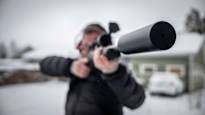
Compounding these tensions is Finland's burgeoning defense industry, which has experienced explosive growth driven by global demand for equipment supporting Ukraine. A recent report from Yle News details the dramatic rise in business for Kontiolahti-based Ase Utra, a leading manufacturer of firearm suppressors (silencers). The company's turnover has surged due to international orders, particularly for military-grade suppressors designed for combat use.
According to the Yle article published on January 10, 2026, the Ukraine war has been a key catalyst. "The war in Ukraine has boosted sales of Finnish suppressor manufacturers. Demand is especially high for silencers made for military use," the summary states. Ase Utra's products, known for their precision engineering and durability in harsh conditions, have found eager buyers among Ukraine's armed forces and other allies. This export success reflects Finland's pivot toward a more assertive defense posture post-NATO membership, with defense spending now exceeding 2.5% of GDP.
The silencer boom is emblematic of broader trends in Finnish industry. Since Russia's full-scale invasion of Ukraine in February 2022, Finland has delivered over €2 billion in military aid to Kyiv, including Leopard 2 tanks, multiple rocket systems, and infantry weapons. Companies like Ase Utra exemplify how civilian firms have adapted to wartime needs, with production lines expanding to meet NATO interoperability standards. Government export licenses have facilitated these sales, balancing economic gains with strict end-user controls to prevent diversions.
Historical Context and Broader Implications
Finland-Russia relations have deteriorated sharply since the Ukraine invasion. Historically neutral, Finland's NATO bid was spurred by Russia's 2022 aggression, prompting Moscow to threaten "military-technical countermeasures." Incidents have proliferated: Russia closed border crossings in late 2023 amid asylum seeker disputes, and cyberattacks targeting Finnish infrastructure have intensified.
The Agapov case echoes previous Russian accusations against Finns or dual nationals. In 2024, similar charges were leveled against individuals aiding Ukrainian refugees or volunteering. Legal experts note that Russia's 2012 treason law expansions allow extraterritorial application, enabling prosecutions in absentia.
For Finland, the accusation poses diplomatic challenges. While Helsinki prioritizes rule-of-law principles, it must navigate risks to citizens near the border. President Alexander Stubb's administration has emphasized deterrence, recently approving additional aid packages to Ukraine.
Looking ahead, the treason case and arms export surge signal deepening Finland-Russia divides. As the Ukraine war enters its fourth year, NATO's northern members like Finland are fortifying defenses, with exercises like Arctic Defender underscoring readiness. Analysts anticipate further hybrid tactics from Russia, but Finland's economic resilience—bolstered by defense firms like Ase Utra—positions it to sustain support for Ukraine without immediate escalation.
This episode reinforces Europe's geopolitical realignment, where small nations like Finland play outsized roles in countering Russian influence. Official statements from both sides are awaited, as the situation remains fluid.
(Word count: 682)






