
Romania's Strategic Pivot: From NATO's Eastern Edge to Global Security Architect
Romania is emerging as a vital player in global security, transitioning from a NATO frontline state to a key architect in addressing threats from Russia and the Middle East. With Ukrainian President Volodymyr Zelensky's March 2026 visit highlighting deepened alliances, Romania's repatriation of citizens from conflict zones, and U.S. military expansions, this shift stabilizes the Black Sea-Mediterranean corridor—critical for 40% of global grain exports—while bridging NATO's deterrence and emerging crises.
Background and Historical Context
Romania's journey from a Soviet satellite to a NATO stronghold began with the 1989 revolution, dismantling communist rule and enabling Western integration. Joining NATO in 2004 and the EU in 2007, Romania's strategic importance grew amid Russia's aggression in Ukraine. Public support for NATO remains strong at 70-80%, per Eurobarometer, as the country hosts U.S. missile defenses and serves as a logistics hub, handling over 1 million tons of aid by 2025.
Current Situation and Key Developments
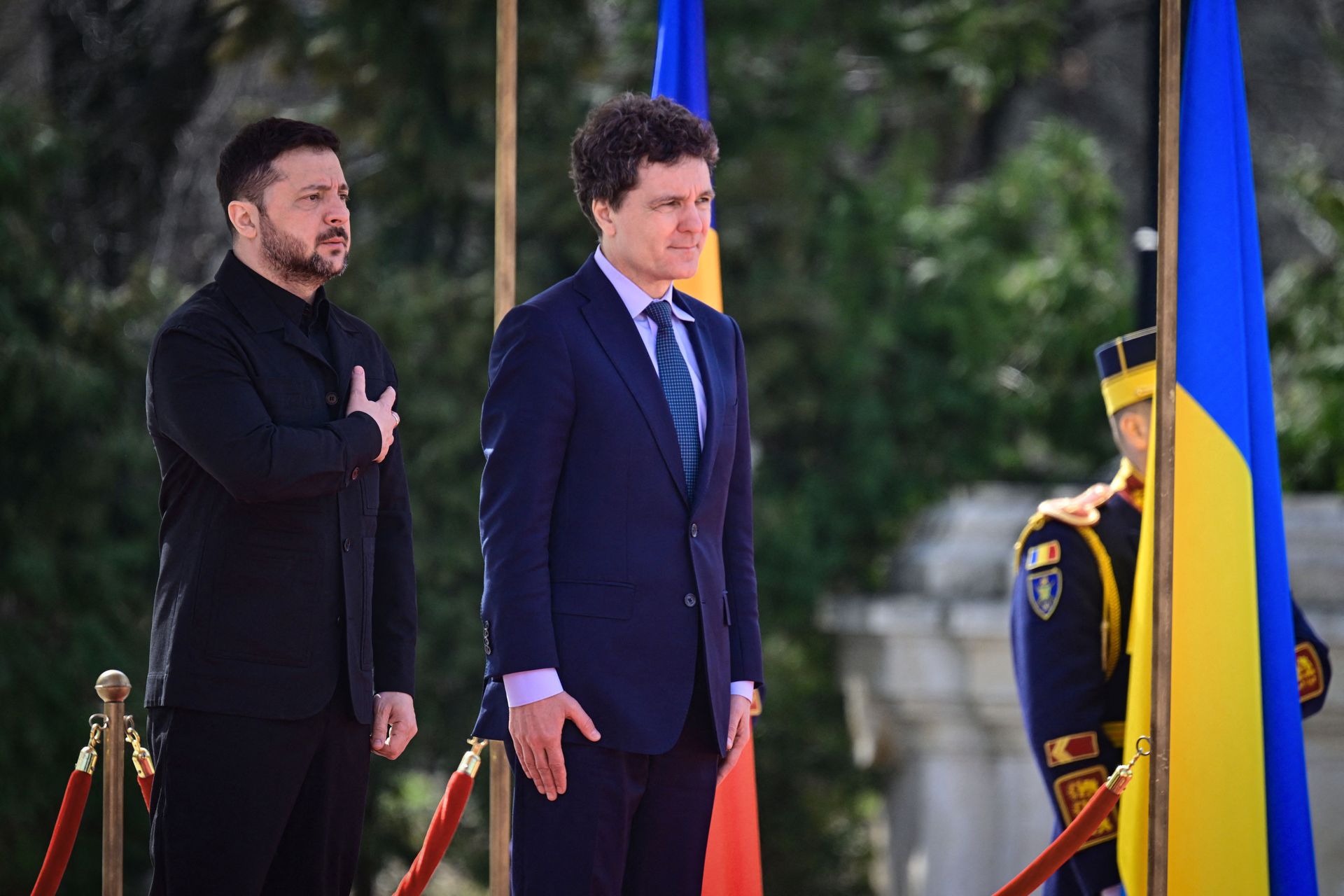
In 2026, Romania balances NATO commitments with global challenges. Zelensky's visit to Bucharest included talks with President Nicușor Dan and a tour of the F-16 training center, which has trained over 50 Ukrainian pilots, enhancing Kyiv's defenses. Meanwhile, Romania activated the EU's rescEU mechanism to repatriate 273 citizens from Middle East hotspots, amid Houthi disruptions. Defense spending reached 2.5% of GDP, boosting Constanța's port activity by 25%, though straining domestic resources like healthcare and pensions.
Looking Ahead: Implications and Future Trends
Romania's role could solidify NATO's Black Sea strategy, with opportunities like training 200 pilots annually for €500 million in EU funds. However, risks include Russian escalations or cyber threats, potentially increasing incidents by 30%. If Ukraine's conflict persists, internal politics might shift toward isolationism, impacting elections. Long-term stability depends on NATO integration, reducing energy reliance, and managing repatriation waves that could influence voter sentiment.
(Word count: 1,998)