
Rising Tensions in Yemen: Saudi Airstrikes Target UAE-Backed Separatists
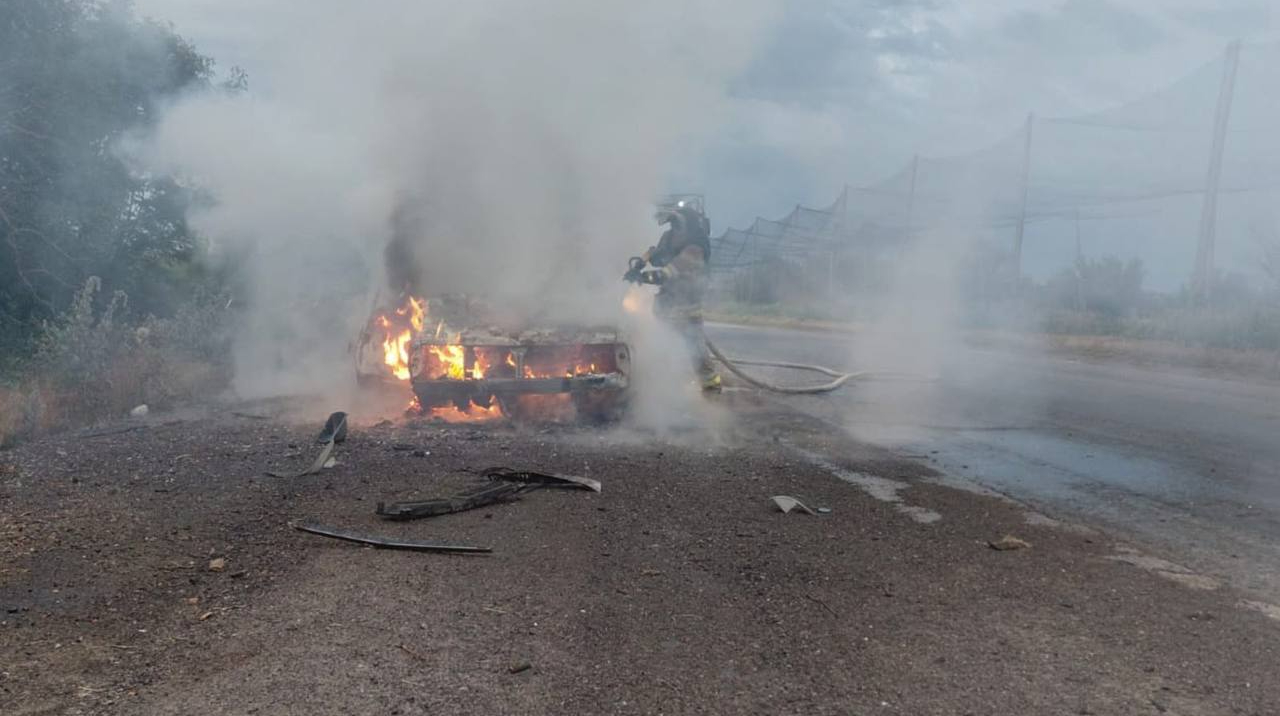
Recent airstrikes in Yemen conducted by Saudi Arabia have resulted in the deaths of seven Yemeni separatists backed by the United Arab Emirates (UAE), exacerbating ongoing tensions in the region. The strikes, which occurred on December 31, 2025, have raised concerns over Saudi Arabia's approach to national security and the implications of its military actions for its Gulf neighbors, particularly the UAE.
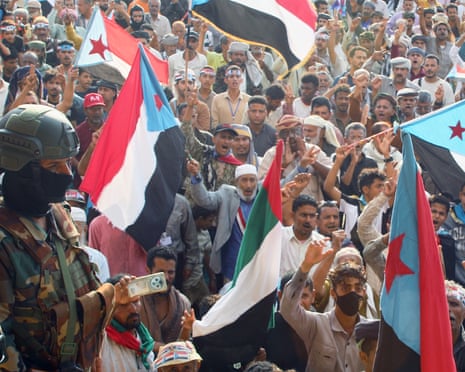
The Saudi airstrikes targeted positions held by the Southern Transitional Council (STC), a group supported by the UAE that has sought greater autonomy in southern Yemen. The STC has been a significant player in Yemen's protracted conflict, which has seen various factions vying for control since the onset of civil war in 2015. The recent attacks signify a troubling escalation in hostilities, particularly as they come amid a complex web of alliances and rivalries in the Gulf region.
According to reports from The Guardian, the Saudi military action underscores Riyadh's commitment to its national security objectives, which have increasingly come under scrutiny. The airstrikes not only resulted in casualties among the STC but also raised questions about the stability of UAE's involvement in Yemen. An anonymous military source indicated that the strikes were aimed at eliminating what they described as "threats to Saudi sovereignty," reflecting the kingdom's ongoing struggle to assert control over the war-torn country.
The implications of these airstrikes extend beyond immediate military objectives. They raise concerns about the future of the UAE’s role in Yemen, as the Gulf nation has invested significant resources in supporting the STC and other forces fighting against the Houthi rebels. The recent Saudi actions may signal a shift in the dynamics of the conflict, potentially leading to a reevaluation of the UAE's strategies in the region.
The airstrikes are part of a broader pattern of military operations in Yemen, where various factions continue to engage in violent confrontations. With the Houthis still controlling significant parts of northern Yemen and the ongoing civil war showing little signs of resolution, such aggressive tactics by Saudi Arabia highlight the fragile state of security in the region.
Background on the Conflict
Yemen has been embroiled in civil war since 2015, a conflict that has seen the Houthis, an Iran-aligned group, fighting against the internationally recognized government backed by a Saudi-led coalition. The UAE has played a crucial role in the coalition, but its support for local militias like the STC has created additional layers of complexity in the conflict. The civil war has resulted in one of the world's most severe humanitarian crises, with millions suffering from famine and lack of basic services.
The relationship between Saudi Arabia and the UAE has historically been cooperative, especially in their joint efforts in Yemen. However, recent events have put their alliance to the test, as divergent interests become more pronounced. The Saudi airstrikes could indicate a more aggressive posture from Riyadh as it seeks to consolidate its influence and counter perceived threats in the region.
Conclusion
The recent airstrikes by Saudi Arabia in Yemen mark a significant escalation in the conflict, with the deaths of UAE-backed separatists underscoring the complex and often fractious nature of alliances in the region. As Yemen continues to grapple with the consequences of its civil war, the actions taken by Saudi Arabia may lead to further instability, not only for the country but also for the broader Gulf Cooperation Council dynamics. The international community remains watchful, as the implications of these military actions could reverberate beyond Yemen's borders, affecting regional peace and security.