
Rising Tensions in India-Pakistan Relations Amid Internal Security Challenges
Recent developments in India reflect a complex security landscape, where a U.S. think tank has issued warnings regarding the potential for escalated conflict between India and Pakistan in 2026, while domestic issues involving Maoist insurgents add to the nation's challenges.
On December 31, 2025, the U.S. think tank highlighted that a surge in terror activity could provoke an armed conflict between the two nuclear-armed neighbors. Analysts suggest that continued unrest could emerge from heightened militant actions, thereby increasing the stakes for both countries amid already tenuous relations. This warning comes at a time when India is grappling with internal security threats, particularly from Maoist groups.
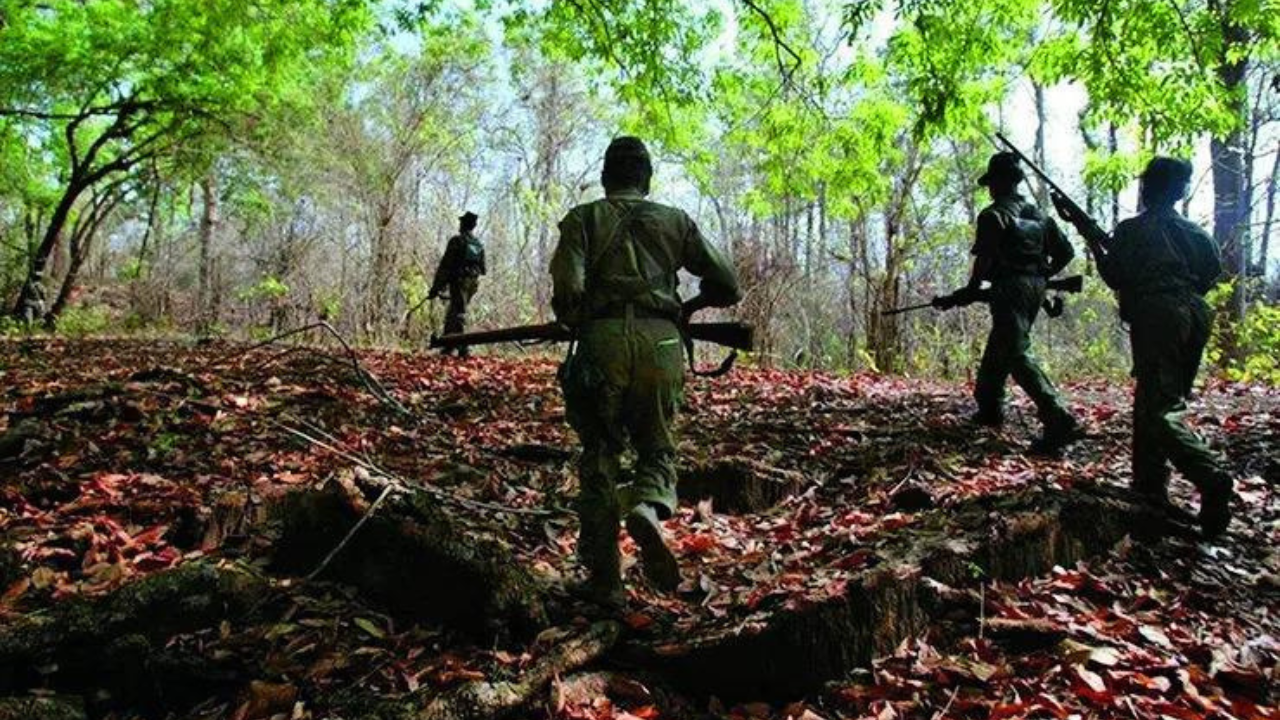
In recent weeks, Indian security forces have intensified their operations against Maoist rebels in the Chhattisgarh region. In a significant crackdown, officials reported the elimination of 14 Maoists, including key leader Sachin Mangtu, in operations conducted in Bijapur and Sukma. This surge in military action has reportedly led to the death of 518 Maoists over the past two years, underscoring the ongoing struggle between the Indian government and insurgent factions.
According to reports, the crackdown has been fueled by intelligence indicating the presence of armed cadres in the region. Following these operations, security forces have uncovered a substantial cache of weapons, which they claim poses a significant threat to local security. The Indian government aims to weaken the rebel presence in the area as part of a broader strategy to bring stability to conflict-affected regions.
In a related development, the surrender of Barse Deva, a prominent Maoist, alongside 40 of his comrades, has been described as a potential turning point in the fight against the insurgency in Bastar. Deva’s surrender signals a possible end to the influential People's Liberation Guerrilla Army (PLGA) battalion number 1, which has been implicated in numerous deadly attacks against security forces. His close association with the notorious Maoist leader Madvi Hidma underscores the ongoing efforts to dismantle the leadership structure of these insurgent groups.
The Indian government remains focused on addressing both the external threat posed by Pakistan and the internal challenges from Maoist insurgents. As tensions escalate with Pakistan, particularly in light of the ongoing conflict over Kashmir and past military skirmishes, the government’s challenge is to maintain internal stability while managing external threats.
As 2026 approaches, the dual pressures from external and internal conflicts are likely to shape India's security policy and military strategies. The effectiveness of the government's operations against Maoists will be closely monitored, as will its diplomatic relations with Pakistan, especially in light of the U.S. think tank's forecasts of increased terror activity.
In conclusion, the situation in India remains precarious as it navigates between the threat of external conflict with Pakistan and the ongoing battle against internal insurgencies. The coming year will be critical in determining the trajectory of these intertwined challenges as the government seeks to stabilize both its borders and its internal security landscape.






