
Rising Healthcare Costs Hit Millions of Americans in 2026
As 2026 begins, over 20 million Americans are grappling with increased healthcare costs following the expiration of subsidies that had previously helped to ease their financial burden. This surge in costs comes at a time when the U.S. economy is already facing significant challenges, including widespread retail closures and ongoing inflationary pressures.
The expiration of these healthcare subsidies means that many individuals and families will now pay more for insurance premiums and medical expenses. This change is particularly alarming as it coincides with the ongoing economic pressures that have plagued the nation. According to recent reports, the combination of rising healthcare costs and other economic strains could lead to a challenging financial landscape for millions.
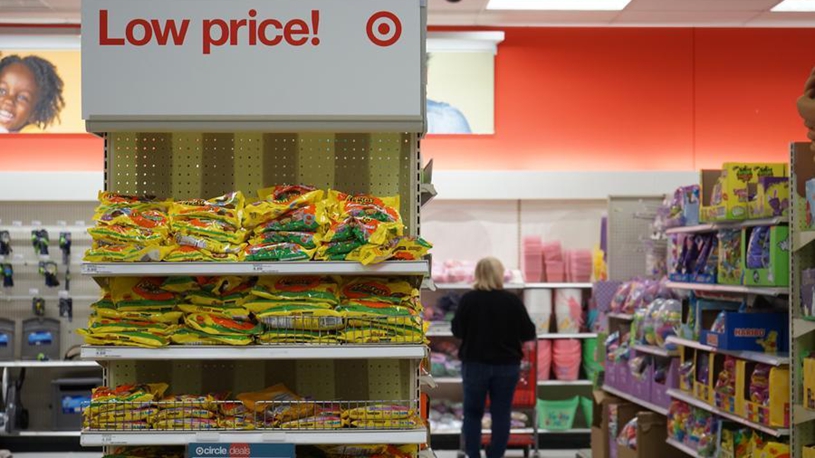
In 2025, the U.S. retail sector experienced a drastic contraction, with approximately 8,200 store closures attributed to various factors, including tariffs and debt pressures. This trend not only reflects the shifting dynamics of consumer behavior but also highlights the broader economic difficulties facing retailers. The closures indicate that many businesses are struggling to adapt to changing market conditions, further exacerbating the economic challenges faced by American families.
Amid these developments, the Biden administration recently announced a reduction in proposed tariffs on Italian pasta imports. Originally, these tariffs were set to impose steep increases on prices for consumers, which could have compounded the financial strain already felt by many Americans. The decision to slash these tariffs aims to alleviate some of the cost pressures associated with groceries and other essential items. However, the effectiveness of this measure remains to be seen, especially as households continue to navigate rising healthcare costs.
The confluence of escalating healthcare expenses and retail closures raises concerns about the overall economic trajectory in the United States. Experts warn that as families allocate more of their budgets to healthcare, discretionary spending on other goods and services may decline, potentially leading to a further slowdown in economic growth.
In light of these challenges, many Americans are calling for renewed efforts to address both healthcare affordability and the economic environment. As the government considers policies to mitigate the impacts of rising costs, the urgency to provide support for those most affected by these changes has never been more pressing.
Background
The expiration of healthcare subsidies has long been a concern for policymakers and economists alike. Initially introduced under the Affordable Care Act, these subsidies were designed to help lower-income individuals and families afford health insurance. However, with their expiration, millions are now left vulnerable to higher health-related expenses without the necessary financial support.
Moreover, the retail landscape has been undergoing significant transformations, influenced by e-commerce growth, changing consumer preferences, and economic shifts. The recent closures signal a need for businesses to innovate and adapt to the evolving market conditions.
Conclusion
As the United States enters 2026, the economic outlook is marred by rising healthcare costs and significant retail challenges. The intersection of these issues poses a formidable obstacle for many Americans, necessitating urgent action from both government and industry leaders to ensure that the financial strain on households is addressed effectively. The coming months will be critical as stakeholders work to navigate these complex economic realities.