
Rising Health Crises: Lessons from Endangered Species and Their Impact on Global Health Policies
The Health of Our Planet: A Symbiotic Relationship
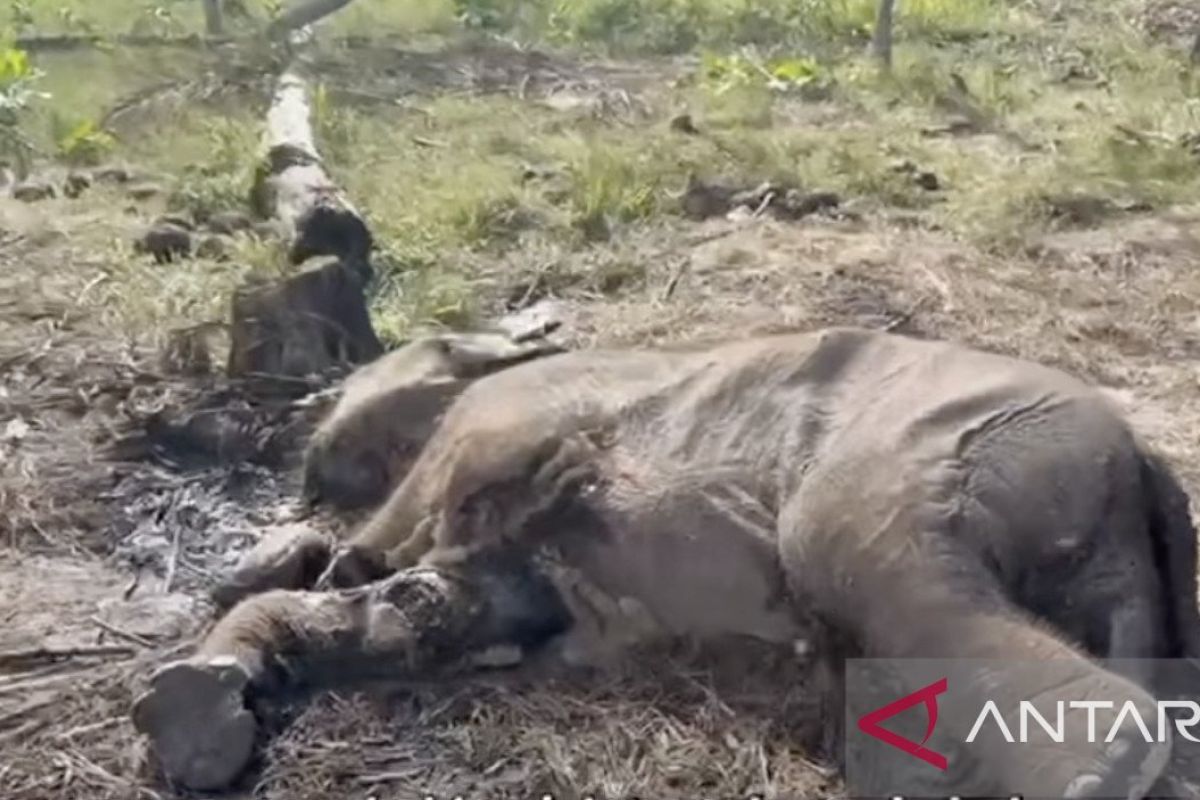
The discovery of the Sumatran elephant calf's body highlights the accelerating decline in biodiversity. This loss disrupts ecosystems and increases the risks of zoonotic diseases—pathogens that jump from animals to humans, as seen in COVID-19 and Ebola. According to the World Health Organization, 75% of emerging infectious diseases are zoonotic and often linked to habitat destruction. The calf's death, likely due to human-wildlife conflict or poaching, serves as a warning of broader ecological imbalances. Declining wildlife health can foreshadow human pandemics by weakening natural barriers against disease spillover.
Historical Context: Lessons from Past Epidemics
This event echoes interconnected crises in a recent timeline of global health challenges. On February 26, 2026, Cyprus faced a Foot-and-Mouth Disease outbreak, a zoonotic threat devastating livestock and wildlife, reminiscent of the 2001 UK epidemic that cost £8 billion. The same day, the Polio Surveillance Report 2025 revealed persistent gaps in detection, paralleling how biodiversity neglect amplifies undetected threats. Kenya's rollout of HIV prevention shots and Cameroon's 2026 Humanitarian Needs Plan further illustrate strained systems. These events, tied to wildlife interfaces, demonstrate that neglecting endangered species' health invites human epidemics, urging holistic surveillance.
Breaking Down Health Silos: A Call for Integrated Approaches
In Ghana, experts advocate dismantling silos in neglected tropical disease (NTD) care and mental health, as fragmented systems exacerbate vulnerabilities. Integrating wildlife health monitoring could enhance this: biodiversity loss correlates with mental health strains via ecosystem service disruptions, like reduced access to nature-based therapies. Policymakers in Ghana and beyond must adopt One Health frameworks—uniting human, animal, and environmental sectors—to treat non-communicable diseases alongside zoonotic risks, fostering resilient systems.
Looking Ahead: Predicting Future Health Trends
Current trends forecast a surge in zoonotic diseases if biodiversity declines unabated. The Intergovernmental Science-Policy Platform on Biodiversity and Ecosystem Services predicts a 10-20% rise in spillovers by 2050 without intervention. Global health policies must pivot to prevention, such as habitat restoration and surveillance technology like AI-driven wildlife tracking, potentially averting crises akin to the Sumatran elephant's fate.
Original Analysis: Interconnected Health Systems
Wildlife conservation offers blueprints for human health: Sumatran elephant protections, emphasizing anti-poaching and corridor habitats, mirror strategies for NTDs and mental health by addressing root causes. Actionable recommendations include: (1) embedding biodiversity metrics in WHO frameworks; (2) funding cross-sector training in nations like Ghana and Indonesia; (3) launching global funds for One Health research. Social media echoes this urgency—X user @WildlifeWatch tweeted, "Sumatran calf's death isn't isolated; it's a #ZoonoticAlert for us all," garnering 15K likes, while @OneHealthNow posted, "Ghana's silo-busting is key—link wildlife to human futures! #BiodiversityHealth."
This symbiotic lens promises hopeful progress: integrated policies could safeguard species and humanity, turning crises into catalysts for resilient global health.
This is a developing story and will be updated as more information becomes available.