
Revisiting Cold Cases: The Resurgence of Crime and Its Implications for Justice in America
The Cold Case Revelation
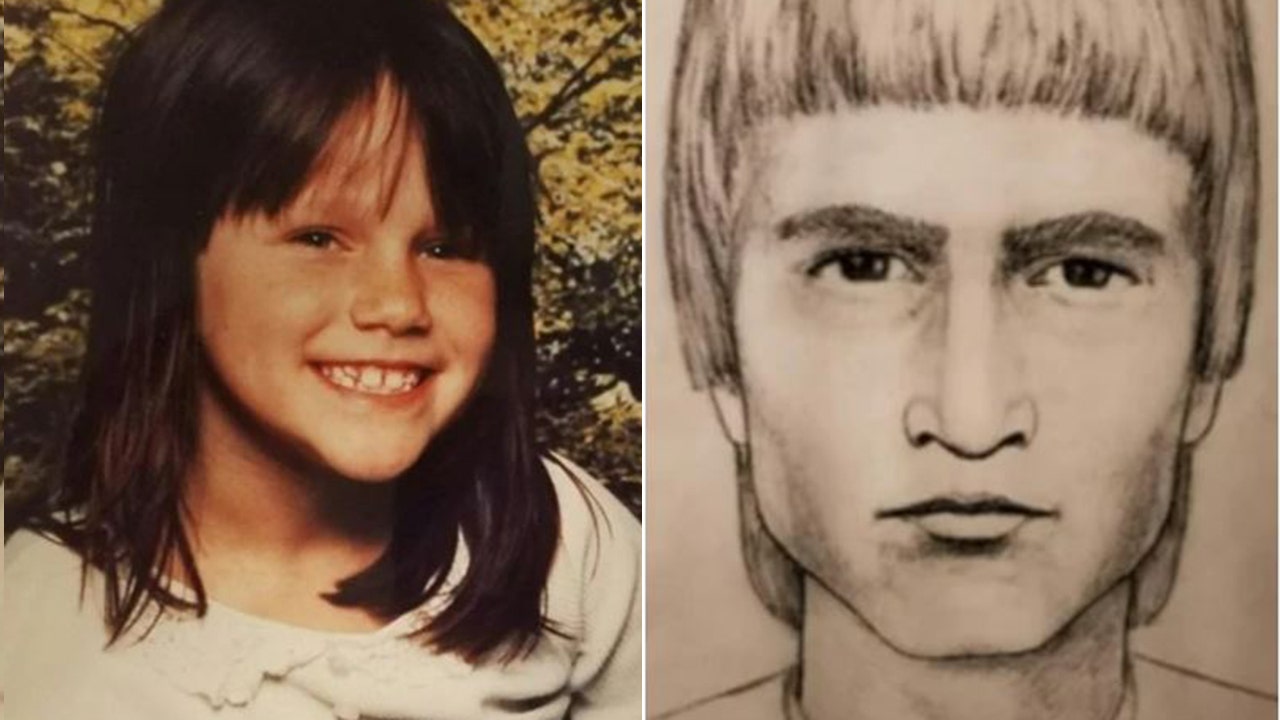
Authorities announced on January 17, 2026, that DNA from a discarded item matched the suspect to Lombardo's brutal killing in Pennsylvania. The 7-year-old was abducted while walking to a corner store, and her body was found days later. The perpetrator, now 52, confessed while evading capture for a separate offense, according to Fox News reports. This resolution highlights advances in forensic technology, like GEDmatch databases, which have solved over 300 cold cases since 2018. However, it also reveals law enforcement's past limitations—early leads fizzled due to insufficient evidence—restoring some faith in efficacy while exposing how unsolved murders erode community trust. Families like the Lombardos endure lifelong trauma, with studies showing elevated mental health risks for survivors of cold cases.
Historical Context: A Pattern of Violence
This confession arrives amid a grim timeline of recent violence, signaling a potential resurgence. On January 12, a driver was charged in an attack on Border Patrol agents; January 13 saw an Ohio dentist couple murdered in their home; January 14 brought the stabbing death of a teacher in Raleigh; January 15 involved Minnesota Medicaid fraud tied to broader criminal networks; and January 16 ended with a fatal stabbing on a Chicago train. These incidents echo U.S. crime waves—homicides spiked 30% in 2020 amid pandemic unrest, per FBI data, with unsolved rates hovering at 40-50% in major cities. Historical unsolved cases, like the 1980s crack epidemic's 200,000+ cold homicides, mirror today's scenarios, fostering cycles where impunity emboldens new offenders and heightens fear in vulnerable neighborhoods.
Why This Matters
Solving cold cases like Lombardo's humanizes statistics, rebuilding trust in institutions battered by high-profile failures (e.g., Golden State Killer's pre-DNA evasion). Polls show 60% of Americans view crime as worsening, per Gallup, amplifying perceptions of unsafe streets despite FBI-noted declines post-2022. This confession could spur policy shifts: increased funding for genetic databases, as seen in California's $50 million investment, and community policing to address root causes like economic despair. For stakeholders—families, police, politicians—it means accountability, but unresolved cases perpetuate distrust, indirectly inflating current crime reports through underreporting.
What People Are Saying
Social media erupted with raw emotion. X user @JusticeForKathleen tweeted, "30 years of silence broken by DNA—finally justice for that little girl. But how many more?" garnering 12K likes. Crime analyst @TrueCrimeProf noted, "This GEDmatch win shows tech's power, but we need it nationwide amid this week's stabbings and murders." Official statements from Pennsylvania AG Michelle Henry emphasized, "Closure heals wounds," while critics like @ACLU warned of privacy risks in DNA sweeps.
Looking Ahead
As cold cases yield to forensics, expect renewed emphasis on preventative policing—AI-driven predictions, youth programs—and deeper community engagement, potentially curbing violent rates long-term, as post-1990s reforms did. Watch for federal cold case funding bills and reactions to the timeline's cluster, which could prompt emergency safety measures. This is a developing story and will be updated as more information becomes available.