
Renewed Clashes in Aleppo Pit Syrian Army Against SDF, Prompting Mass Displacement and Evacuation
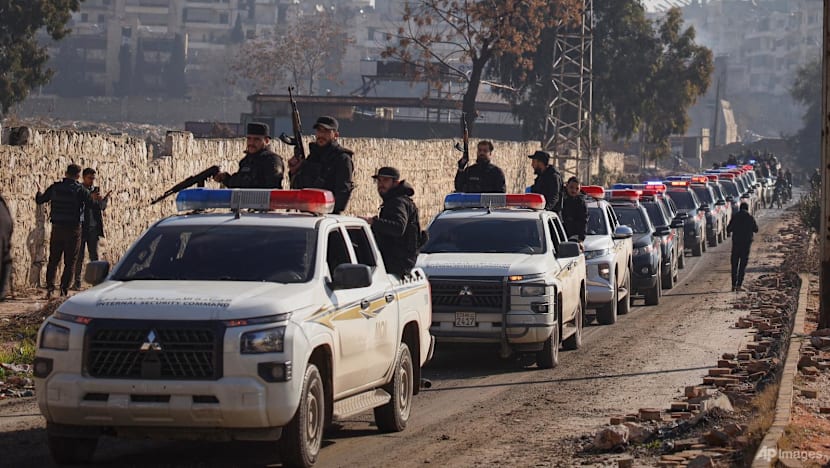
Aleppo, Syria – Intensifying clashes between Syrian government forces and the Kurdish-led Syrian Democratic Forces (SDF) in Aleppo have triggered widespread displacement and a temporary halt to military operations, as security forces advanced into contested neighborhoods and facilitated the evacuation of surrounded fighters.
The violence erupted on January 7, 2026, when the Syrian army declared SDF-held positions in Aleppo as legitimate military targets. This move followed accusations by government sources of massacres committed in the area by SDF fighters. By January 8, renewed fighting in Kurdish-dominated districts, particularly Sheikh Maqsoud, forced thousands of residents to flee amid escalating gunfire and shelling. Reports indicate heavy displacement from these neighborhoods, exacerbating the humanitarian crisis in a city long scarred by Syria's civil war.
On January 10, Syrian security forces pushed into a key Aleppo neighborhood after intense clashes with Kurdish fighters, according to Channel News Asia. The incursion marked a significant escalation, with government troops gaining ground in areas previously under SDF influence. Concurrently, Anadolu Agency reported that military operations were halted in Sheikh Maqsoud, allowing for the transfer of armed SDF members who had been surrounded in Yassin Hospital. The evacuation proceeded without further combat, signaling a brief de-escalation in the immediate vicinity.
Escalation and Immediate Aftermath
The Syrian army's designation of SDF positions as targets on January 7 set the stage for the rapid deterioration of security. Government forces accused the SDF of perpetrating atrocities, though specific details on the alleged massacres remain unverified in the available reports. SDF representatives have not publicly responded to these claims in the sourced materials.
Clashes intensified overnight into January 8, leading to mass evacuations from Kurdish districts. Thousands of civilians, many from Sheikh Maqsoud—a predominantly Kurdish enclave in northern Aleppo—fled southward or sought refuge in safer areas. This neighborhood has historically been a flashpoint, with its strategic position overlooking government-held parts of the city.
By Saturday, January 10, Syrian security forces had entered the contested neighborhood following hours of fighting. The advance came after Kurdish fighters reportedly withdrew from some positions, allowing government troops to consolidate control. In a parallel development at Yassin Hospital in Sheikh Maqsoud, dozens of holed-up SDF combatants were safely transferred out as Damascus ordered a pause in offensive actions. This evacuation averted a potential siege scenario and highlighted fragile coordination between warring parties.
Historical Context in Aleppo
Aleppo, Syria's second-largest city, has been a epicenter of the country's civil war since 2011. Once a thriving commercial hub, it endured a devastating four-year siege by government forces and allies from 2012 to 2016, culminating in the regime's recapture with Russian and Iranian support. Sheikh Maqsoud, controlled by SDF-affiliated groups since 2016, has remained an outlier amid relative calm in the city.
The SDF, a U.S.-backed coalition dominated by the Kurdish People's Protection Units (YPG), played a pivotal role in defeating the Islamic State group by 2019, controlling much of northeastern Syria. Tensions with the Assad regime persist, fueled by competing territorial claims and ideological divides. Damascus views the SDF as separatists, while the group seeks autonomy within a federal Syria. Previous flare-ups in Aleppo, including 2019 clashes, underscore the volatility of mixed-control zones.
The current episode occurs against a backdrop of shifting regional dynamics. Turkey, which considers the YPG a terrorist extension of the PKK, maintains influence through proxy operations in northern Syria. U.S. troop presence, numbering around 900 as of late 2025, bolsters SDF defenses in the east but offers limited protection in Aleppo. Russia's ongoing military support for Assad and Iran's militia networks further complicate the battlefield.
Humanitarian Toll and Outlook
The displacement of thousands adds to Syria's staggering refugee crisis, with over 6.8 million internally displaced and 5.5 million hosted abroad as of 2025 UN figures. Aid access to Sheikh Maqsoud remains restricted, straining local resources.
While the halt in operations and hospital evacuation suggest a tactical pause, underlying grievances—territorial disputes, massacre allegations, and proxy rivalries—persist. No formal ceasefire has been announced, and SDF reinforcements or renewed government offensives could reignite fighting. International monitors, including the UN, have called for restraint to protect civilians.
As Aleppo braces for potential further unrest, the events underscore the fragility of Syria's de facto partitions more than a decade into its war. Diplomatic efforts, such as Astana process talks involving Russia, Turkey, and Iran, may intensify, but prospects for lasting resolution remain dim amid entrenched positions.
(Word count: 612)






