
Renewed Clashes in Aleppo Displace Thousands from Kurdish Districts Amid Escalating Syrian Violence
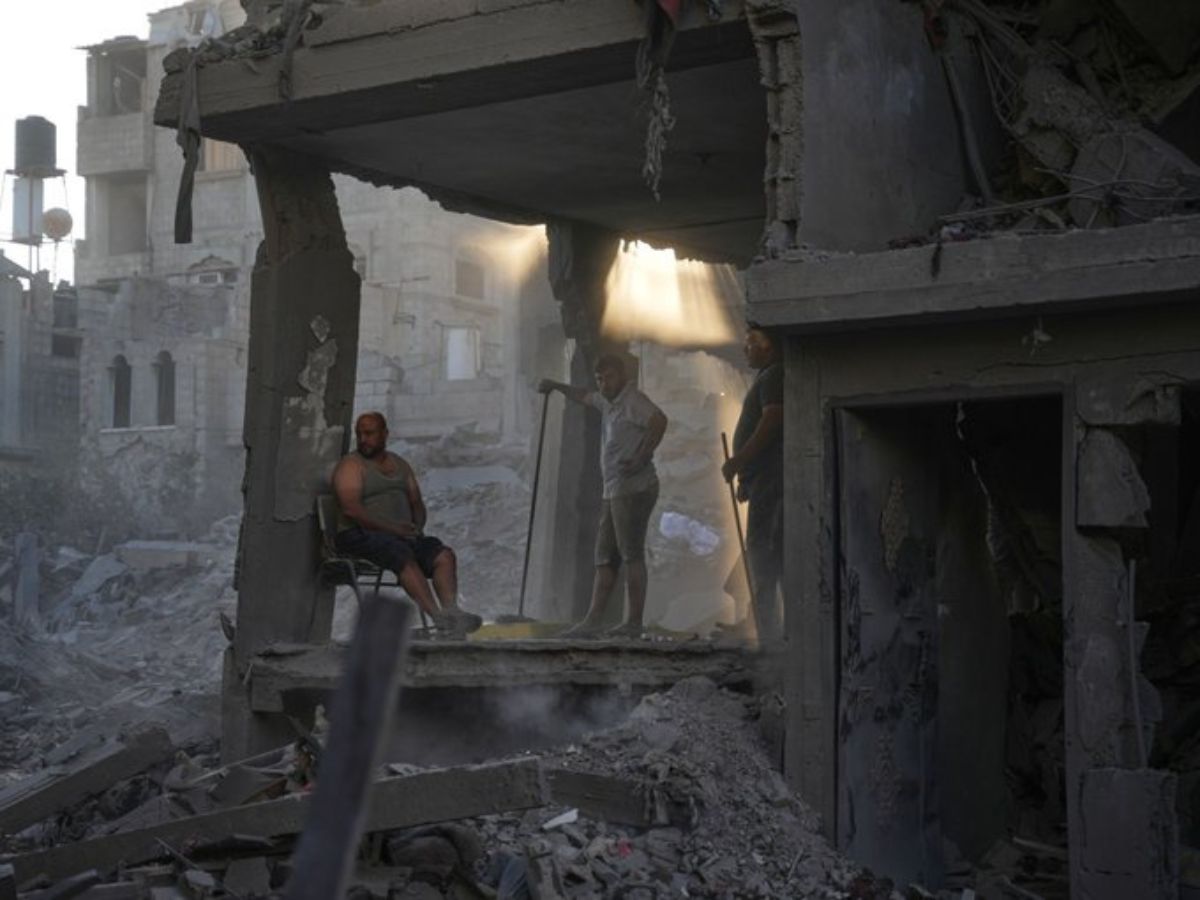
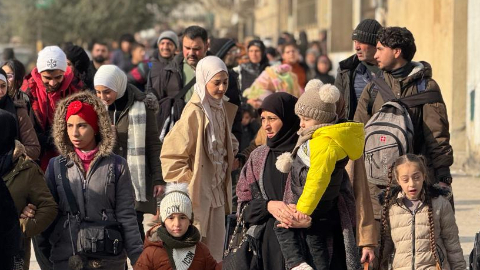
Aleppo, Syria – Intense renewed clashes in the northern Syrian city of Aleppo have forced thousands of residents to flee Kurdish-dominated districts, exacerbating the humanitarian crisis in a region long scarred by civil war. The violence, which erupted on January 8, 2026, underscores the fragile security situation following recent shifts in control over key territories.
The clashes mark a sharp escalation in an area that has seen multiple power struggles among Syrian government forces, rebel groups, and Kurdish militias. According to reports, residents in Kurdish neighborhoods of Aleppo have been compelled to abandon their homes as fighting intensified, leading to mass displacement. This development comes amid ongoing instability in Syria's second-largest city, which has changed hands several times since the civil war began in 2011.
Details on the immediate triggers remain limited, but the violence has prompted a rapid exodus, with thousands seeking safety in neighboring areas. Xinhua, citing local sources, reported the displacement on the same day the clashes began, highlighting the severity of the situation in Kurdish districts. No official casualty figures have been released, but the high severity of the events—classified as critical by monitoring groups—signals potential for further deterioration.
Aleppo's Kurdish districts, home to communities affiliated with the Kurdish-led Syrian Democratic Forces (SDF), have long been flashpoints. The SDF, which controls much of northeastern Syria with U.S. backing, maintains a presence in parts of Aleppo province despite challenges from Turkish-supported factions and other actors. This latest outbreak follows a pattern of sporadic confrontations in the region, where competing armed groups vie for territory.
Historical Context of Aleppo's Turmoil
Aleppo's strategic importance cannot be overstated. Once Syria's economic hub and a UNESCO World Heritage site, the city became a focal point of the Syrian civil war starting in 2012. Fierce urban battles between government forces, backed by Russia and Iran, and various rebel coalitions devastated the city. By late 2016, Syrian President Bashar al-Assad's forces, with Russian air support, recaptured eastern Aleppo after a prolonged siege that drew international condemnation for its humanitarian toll.
The city's western and central areas remained under government control thereafter, but surrounding rural zones and northeastern parts saw continued flux. The rise of Hayat Tahrir al-Sham (HTS), a former al-Qaeda affiliate rebranded as a more pragmatic Islamist group, led to significant advances in late 2024. HTS and allied Turkish-backed Syrian National Army (SNA) forces overran government positions in Aleppo in December 2024, marking a major blow to Assad's regime and prompting Russian and Iranian reassessments of their commitments.
Kurdish forces, meanwhile, have navigated a delicate balance. The SDF's alliance with the U.S.-led coalition against ISIS provided territorial gains, but it drew Turkish military incursions, including operations in 2018 and 2019 aimed at creating a "safe zone" free of Kurdish fighters. Tensions persist, with Turkey viewing the SDF as an extension of the Kurdistan Workers' Party (PKK), designated a terrorist group by Ankara, Washington, and others.
In this context, the January 2026 clashes in Aleppo's Kurdish districts likely stem from frictions between SDF elements and encroaching rebel or Turkish-backed groups. The displacement echoes past crises, such as the 2016 Aleppo siege that displaced over 100,000 people and the 2024 HTS offensive, which also triggered waves of refugees.
Humanitarian and Regional Implications
The mass flight from Kurdish districts compounds Syria's displacement crisis. The United Nations estimates that over 7 million Syrians remain internally displaced, with 6.9 million refugees abroad as of late 2025. Northern Syria, particularly Idlib and Aleppo provinces, hosts dense concentrations of displaced persons in camps vulnerable to violence.
International aid organizations, including the UN Office for the Coordination of Humanitarian Affairs (OCHA), have repeatedly warned of deteriorating conditions. Access restrictions imposed by warring parties hinder relief efforts, leaving fleeing families exposed to harsh winter weather and inadequate shelter.
Regionally, the clashes risk drawing in external powers. Turkey maintains a military presence in northern Syria and has conducted cross-border operations against Kurdish targets. Russia and Iran support Assad's remaining forces, while the U.S. retains a small footprint with the SDF. Any expansion of fighting could strain these dynamics, potentially leading to broader confrontations.
The Syrian Observatory for Human Rights (SOHR), a UK-based monitor, has tracked similar incidents, noting over 500,000 displacements in Aleppo province since 2024 alone. Diplomatic efforts, including Astana process talks involving Turkey, Russia, and Iran, have stalled amid mutual accusations.
Outlook Amid Uncertainty
As clashes continue, the focus shifts to containment and aid delivery. Kurdish authorities have urged civilians to evacuate safely, while rebel statements deny targeting civilians. The international community, including the UN Security Council, has called for de-escalation, but enforcement remains elusive.
For Aleppo's displaced residents, the path to return appears distant. The renewed violence serves as a stark reminder that Syria's conflict, now in its 15th year, defies easy resolution. With over 500,000 dead and an economy in ruins, the latest exodus in Kurdish districts amplifies calls for renewed peace negotiations.
Monitoring groups anticipate further developments, with potential for intensified Turkish involvement or SDF reinforcements. Until a political settlement emerges, Aleppo—and Syria—remain tinderboxes for humanitarian tragedy.
(Word count: 712)