
Record Cocaine Seizure in Portugal: A Shift in the Drug Trade Landscape
The Record Seizure: What Happened?
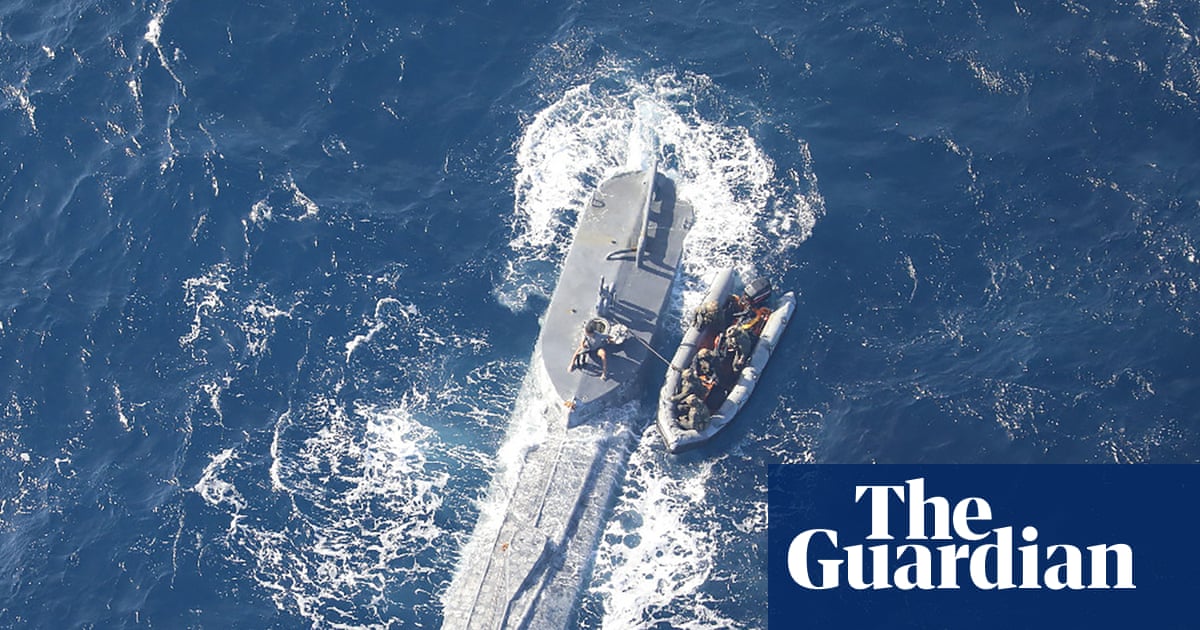
On January 26, 2026, Portugal's Judicial Police (PJ) and maritime authorities intercepted a narco-submarine carrying what officials described as the largest cocaine seizure in the country's history—9 tonnes according to initial reports from The Guardian, with some outlets like Newsmax citing up to 10 tons. The vessel, originating from South America, was detected near the Algarve region in southern Portugal after a months-long intelligence operation involving international partners, including Spanish and Brazilian authorities.
This operation underscores a tactical shift for Portuguese law enforcement, which has increasingly focused on high-seas interdiction. The sub's stealth design—low-profile hull and minimal radar signature—highlights cartels' adaptation to traditional patrols. No arrests were made at sea, but investigators are tracing connections to Colombian and Brazilian networks. The street value exceeds €1 billion ($1.08 billion), per PJ estimates, emphasizing the operation's significance in disrupting supply chains amid rising European demand.
Historical Context: Portugal's Evolving Drug Landscape
This seizure fits into Portugal's long arc of drug-related challenges and reforms. Since decriminalizing personal drug possession in 2001, Portugal has seen dramatic drops in HIV infections, overdoses, and drug-induced deaths—crime rates tied to addiction fell by over 50%, according to Cato Institute analyses. However, trafficking has persisted, with major busts like the 1.2-tonne haul in 2018 at Lisbon's port and a 4-tonne seizure in 2022 signaling escalation.
Historically, Portugal's Atlantic position has made it a key entry point for cocaine from Latin America, bypassing stricter Spanish controls. Pre-2001, punitive policies fueled underground markets; post-decriminalization, focus shifted to harm reduction, yet organized crime adapted. This narco-sub incident echoes a 2023 European trend of 15 such vessels intercepted, per Europol, illustrating how Portugal's lenient user policies contrast with aggressive anti-trafficking enforcement.
The Impacts on Local Communities
While Portugal boasts Europe's lowest drug death rate (3 per million vs. EU average of 23), surging trafficking threatens community safety. Coastal areas like Algarve report spikes in related crimes—petty theft up 12% and violent incidents linked to gangs rising 8% in 2025, per national statistics. Public perception has shifted: a 2025 Eurobarometer survey found 62% of Portuguese view drug crime as a "serious problem," up from 45% in 2020.
The seizure offers relief, potentially curbing influx that fuels local addiction and gang violence. Social media reflects concern; X user @PortugalWatch tweeted, "9T cocaine off Algarve—proof decrim works for users, but traffickers are bolder. Time for port scanners?" garnering 5K likes. Another, @EUDrugPolicy, posted: "Portugal's model saves lives, but narco-subs show supply-side wins needed," with 2K retweets.
Looking Ahead: The Future of Drug Trafficking in Portugal
This bust may force cartels to reroute via West Africa or utilize drone deliveries, as seen post-2022 seizures. Law enforcement could respond with bolstered naval technology and EU-funded AI surveillance, while the government eyes policy tweaks—like stricter port checks without reversing decriminalization.
Predictions point to adaptive cartel tactics: expect smaller, faster subs or overland shifts through Spain. Policymakers may prioritize €50M in anti-trafficking funds from the EU's 2027 budget. Long-term, this reinforces Portugal's dual track—treating users compassionately while hardening borders—potentially lowering local crime by 10-15% if sustained.
*This is a developing story. Word count: 600.