
Recent Geopolitical Events in the United States: Tariff Delays and Diplomatic Tensions
In a week marked by significant geopolitical developments, President Donald Trump has announced a one-year delay on the implementation of increased tariffs on upholstered furniture, kitchen cabinets, and vanities. Concurrently, tensions have risen between Israel and New York City due to the recent policy changes made by Mayor Zohran Mamdani, which have drawn sharp criticism from Israeli officials.
Tariff Delay on Furniture and Cabinets
On January 1, 2026, President Trump revealed a postponement in tariffs that were set to increase on various household goods. The delay is seen as an attempt to alleviate economic pressures on consumers and businesses, particularly in the furniture industry, which has faced challenges in the wake of the COVID-19 pandemic and ongoing supply chain issues. The decision to delay the tariffs is part of Trump's broader "America First" trade policy, which aims to protect American industries while navigating complex international trade relationships.
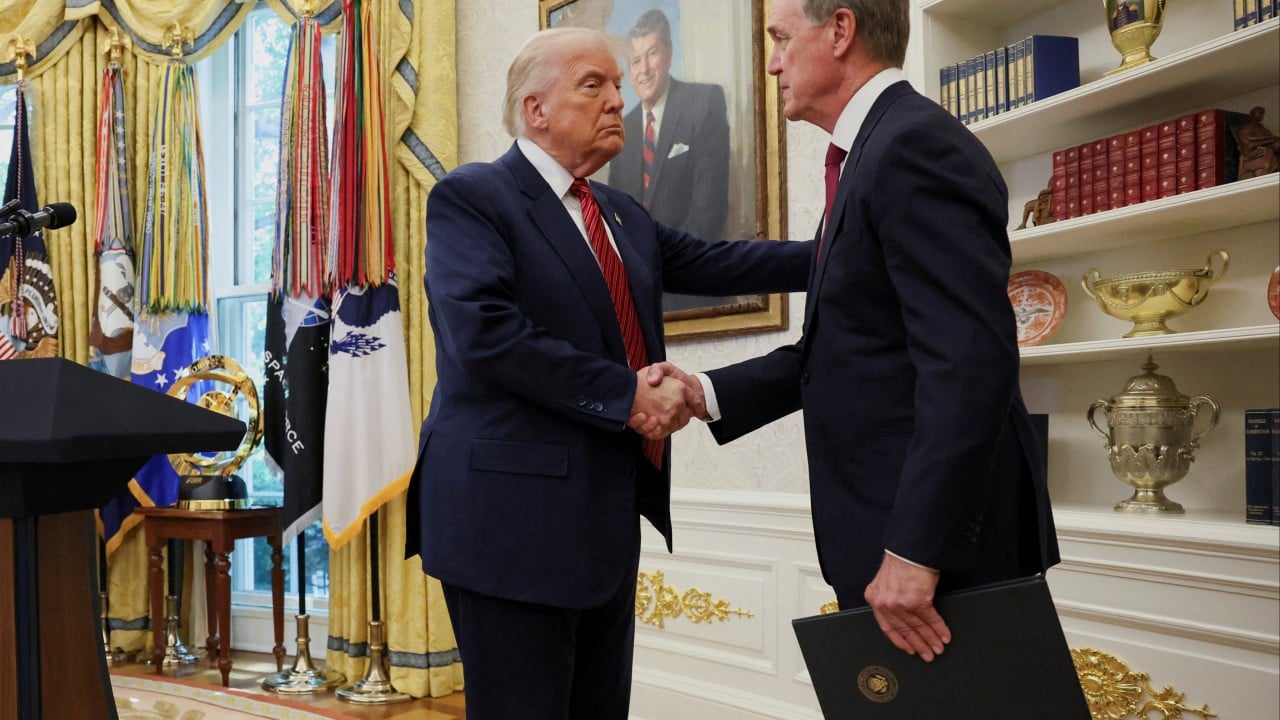
This move comes as the administration is also engaging in diplomatic discussions with key allies, including Japan, amid rising tensions in the Asia-Pacific region. A recent meeting between Trump and U.S. Ambassador to China David Perdue, along with a call with Japanese Prime Minister Sanae Takaichi, underscores the administration's efforts to strengthen alliances while addressing concerns related to China's increasing assertiveness, especially regarding Taiwan.
Diplomatic Tensions Over Policy Changes in NYC
Simultaneously, Israel has expressed serious concerns over the policy changes implemented by New York City Mayor Zohran Mamdani. On January 2, 2026, Israel's consul general in New York, Ofir Akunis, criticized Mamdani for revoking executive orders that had previously protected pro-Israel stances, including the adoption of the International Holocaust Remembrance Alliance (IHRA) definition of antisemitism. Akunis described the mayor's rollback as an "immediate threat" to the safety of Jewish communities in the city, emphasizing that such changes could embolden antisemitic sentiments.
Mamdani, who assumed office recently, has faced backlash from various community leaders for his decision to dismantle these policies. Supporters of the mayor argue that the changes are intended to promote a more inclusive environment, but critics warn that they may inadvertently foster an atmosphere of intolerance.
Background and Context
The geopolitical landscape in the United States has been increasingly polarized, particularly regarding trade and international relations. Trump's administration has been characterized by a focus on reshaping global economic ties, often through unilateral actions such as tariffs. The furniture and cabinet industry, a significant sector in U.S. manufacturing, has been directly affected by these policies, as rising costs can lead to higher consumer prices and reduced sales.
On the other hand, the relationship between Israel and the U.S. has historically been strong, but recent local political shifts have raised concerns about the future of this partnership. The criticism from Israeli officials regarding Mamdani's actions reflects a broader anxiety over how domestic policies may impact international alliances.
Conclusion
As the United States navigates these complex geopolitical dynamics, the consequences of tariff delays and local policy changes will likely resonate beyond national borders. The administration's approach to trade and its relationships with allies, particularly in light of rising tensions in regions such as Asia and the Middle East, will be critical in shaping the future of U.S. foreign policy. With both economic and diplomatic challenges on the horizon, the coming months will be pivotal for Trump's administration as it seeks to balance domestic interests with global responsibilities.






