
Recent Geopolitical Developments in the United States: Tariff Delays and International Relations
In a notable shift in trade policy, President Donald Trump announced on January 1, 2026, a one-year delay in the implementation of increased tariffs on upholstered furniture, kitchen cabinets, and vanities. This decision comes amid ongoing geopolitical tensions and strategic diplomatic engagements, particularly in the Indo-Pacific region.
The tariff delays are seen as a response to concerns from the furniture industry, which has been advocating against the proposed tariffs that could significantly raise costs for consumers and businesses alike. By postponing these tariffs, the administration aims to provide relief to manufacturers and retailers struggling with supply chain disruptions and rising costs. The delay reflects Trump's broader strategy of balancing domestic economic considerations with international trade policies.
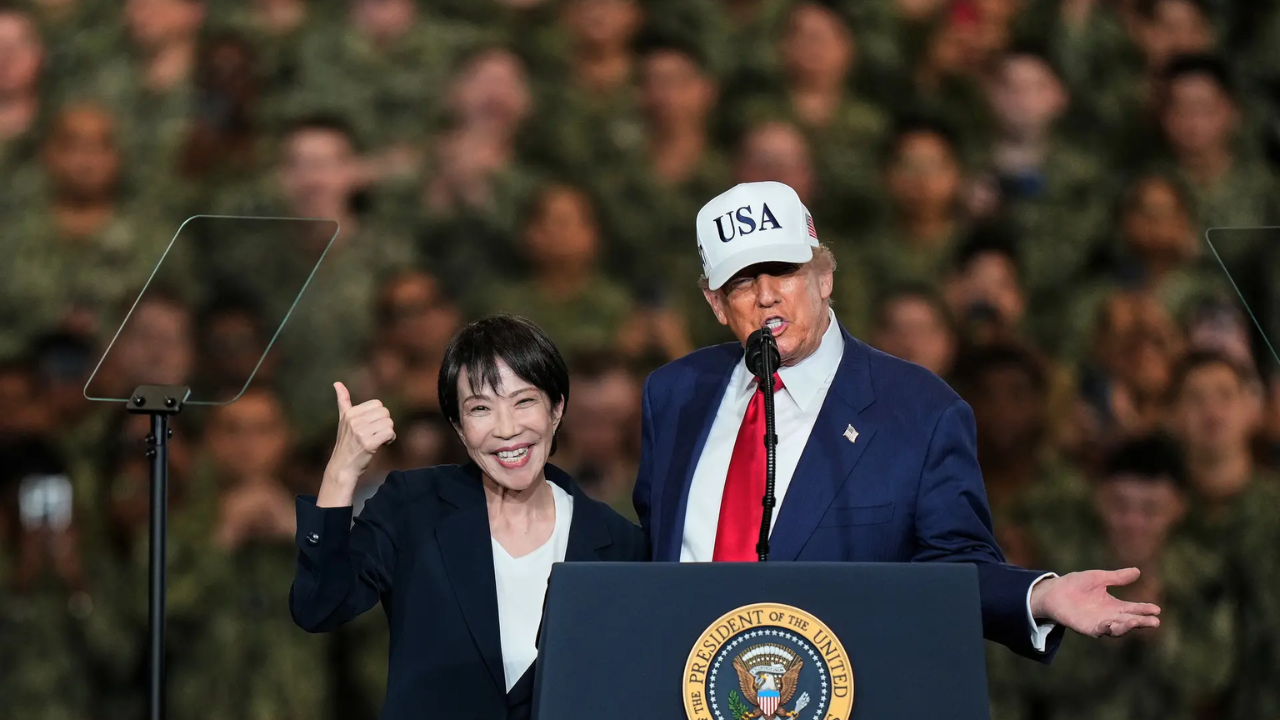
At the same time, President Trump is strengthening ties with key allies in the Indo-Pacific. In a recent development, he extended an invitation to Japanese Prime Minister Sanae Takaichi to visit the United States later this spring. This invitation highlights the administration's focus on enhancing the Japan-U.S. alliance and promoting a free and open Indo-Pacific, especially in light of increasing regional tensions regarding China and Taiwan. Takaichi's acceptance of the invitation is expected to pave the way for discussions on mutual security and economic cooperation, further solidifying the partnership amid a shifting geopolitical landscape.
Additionally, President Trump has issued a stark warning to Iran, stating that the U.S. is "locked and loaded" in response to any potential violence against protesters in the country. This warning underscores the heightened tensions between the two nations, particularly as Iran faces internal unrest. The U.S. administration has been closely monitoring the situation and is prepared to respond militarily if necessary, indicating a firm stance on protecting human rights and promoting stability in the region.
These developments illustrate the Trump administration's multifaceted approach to foreign policy, navigating complex trade issues while simultaneously addressing security concerns. The delay in tariffs and the emphasis on international alliances reflect a strategic balancing act aimed at reinforcing the U.S. position on the global stage.
As the geopolitical landscape continues to evolve, the implications of these decisions will likely resonate not only within the U.S. but also across international markets and diplomatic relations. The upcoming visit from Prime Minister Takaichi will be closely watched, as it may signal further cooperation between the U.S. and Japan in addressing shared challenges, particularly those posed by China.
In conclusion, the recent tariff delays and diplomatic initiatives mark a significant moment in U.S. geopolitics. As President Trump navigates these complex issues, the outcomes of these actions will play a crucial role in shaping the future of U.S. relations with both allies and adversaries in an increasingly interconnected world.