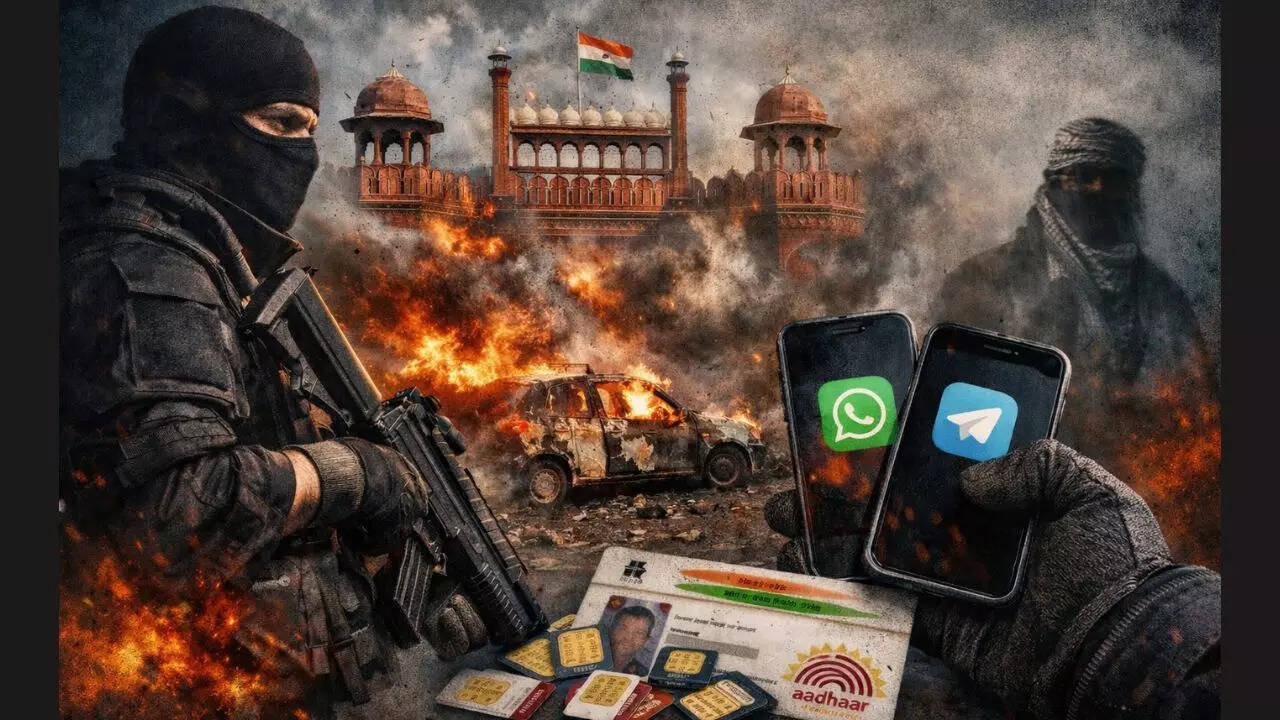
Rajnath Singh Sounds Alarm on 'White-Collar Terrorism' Following Delhi Car Bomb Blast

Latest from X
Rajnath Singh Sounds Alarm on 'White-Collar Terrorism' Following Delhi Car Bomb Blast
New Delhi, January 4, 2026 — Indian Defence Minister Rajnath Singh has raised serious concerns over an emerging and alarming trend of 'white-collar terrorism' in the country, pointing to the involvement of highly educated individuals in recent terror activities. His remarks, made on January 2, 2026, during an event in Rajasthan, come in the wake of a devastating car bomb blast near Delhi’s Red Fort in November 2025, which claimed 15 lives and revealed a sophisticated network of perpetrators, including doctors and other professionals.
Singh emphasized the disturbing nature of this new threat, stating, “They had degrees in their hands, but RDX in their pockets.” He highlighted the Delhi blast as a prime example of how educated individuals, such as doctors, are being drawn into criminal and anti-national activities. The Defence Minister urged for a deeper examination of societal and educational influences that may contribute to such radicalization, stressing that education must be coupled with ethical grounding to prevent such trends.
Details of the Delhi Red Fort Blast
The car bomb explosion near the iconic Red Fort in Delhi on November 11, 2025, sent shockwaves through the nation. According to reports, the attack involved an i20 car packed with explosives, driven by an individual identified as Dr. Umar-un-Nabi. The blast resulted in the deaths of 15 people and caused significant damage in the vicinity of the historic site, a popular tourist and cultural landmark. The National Investigation Agency (NIA) swiftly took over the probe, with early investigations pointing to a well-coordinated terror plot.
Further details emerged from the investigation, as reported by the Times of India on January 4, 2026. The probe revealed connections to Pakistani handlers, with terrorists using so-called 'ghost' SIM cards to communicate covertly. These SIM cards, which are difficult to trace, facilitated encrypted conversations, underscoring the sophisticated planning behind the attack. Additionally, the investigation linked the Delhi blast to broader terror activities, with clues emerging as early as October 18-19, 2025, when posters from the banned Jaish-e-Mohammad (JeM) group appeared in Srinagar, warning of attacks on security forces in the Kashmir Valley.
During related operations, security forces seized a massive cache of arms and ammunition, including 2,900 kg of ammonium nitrate, potassium nitrate, and sulphur—materials often used in the manufacture of explosives. Nine suspects were also taken into custody from Kanpur in connection with the Delhi blast, while the NIA arrested an alleged co-conspirator, Jasir Bilal Wani, from Srinagar, probing his role in modifying drones and building rockets for terror activities.
Background: The Rise of 'White-Collar Terrorism'
The concept of 'white-collar terrorism,' as highlighted by Rajnath Singh, refers to the involvement of professionals and educated individuals in terror networks, a shift from the traditional profile of terrorists often associated with lower socio-economic backgrounds or lack of formal education. This trend poses unique challenges for security agencies, as such individuals may have access to resources, technical know-how, and social networks that can be leveraged for planning and executing attacks.
The Delhi blast is not an isolated incident but part of a broader pattern of evolving terror tactics in India. Over the past decade, the country has faced numerous terror threats, often linked to cross-border networks operating from Pakistan. Groups like Jaish-e-Mohammad have been implicated in several high-profile attacks, including the 2019 Pulwama bombing that killed 40 Central Reserve Police Force personnel. The involvement of educated individuals adds a layer of complexity, as it suggests deeper ideological infiltration and the potential for insider threats within professional communities.
Official Response and Public Sentiment
The Indian government has reiterated its commitment to combating terrorism in all its forms. Prime Minister Narendra Modi and Home Minister Amit Shah have publicly condemned the Delhi attack as a terror act, with investigations ongoing to dismantle the networks behind it. Rajnath Singh’s focus on 'white-collar terrorism' signals a potential shift in policy to address radicalization among educated segments of society through targeted awareness and preventive measures.
Public sentiment, as reflected in posts on X, shows a mix of concern and urgency. Many users have echoed Singh’s warnings, with verified accounts from news outlets and commentators emphasizing the need for vigilance and systemic reforms to counter this new face of terror.
Outlook: A Call for Comprehensive Action
As investigations into the Delhi Red Fort blast continue, Rajnath Singh’s remarks on 'white-collar terrorism' have sparked a national conversation about the evolving nature of security threats in India. The involvement of educated individuals in such acts raises critical questions about radicalization, societal influences, and the role of education in fostering values of peace and unity. Moving forward, experts suggest that a multi-pronged approach—combining intelligence, community engagement, and educational reform—will be essential to address this emerging challenge and ensure the safety of the nation.
The Delhi blast serves as a grim reminder of the persistent threat of terrorism, even as its perpetrators adapt and evolve. With the government and security agencies on high alert, the focus remains on dismantling terror networks and preventing future tragedies.
Track this story live
Live World Map
Monitor global events in real time with a live activity map and hotspot summaries.
Global Conflict Map
Follow active conflict zones, strike activity, and emerging geopolitical hotspots.
Current Wars
Track all active wars and armed conflicts happening in the world right now.
Iran War
Track the Iran war in real time with proxy network monitoring, Strait of Hormuz risk, and market impact.
Original Sources
- •
- •
Editorial process: This article was synthesized from the original sources cited above using The World Now's AI editorial system, with byline accountability from our editorial team. We grade every story for source grounding, factual coherence, and on-topic match before publication. Read more about our editorial standards and contributors. Spot something inaccurate? Let us know.
Last updated: January 19, 2026






